
 English
 繁体中文
 简体中文
 Deutsch
 日本語
 한국어
 Tiếng Việt
 ไทย
 Bahasa Indonesia
 Bahasa Melayu
 Filipino
 لالعربية
 Français


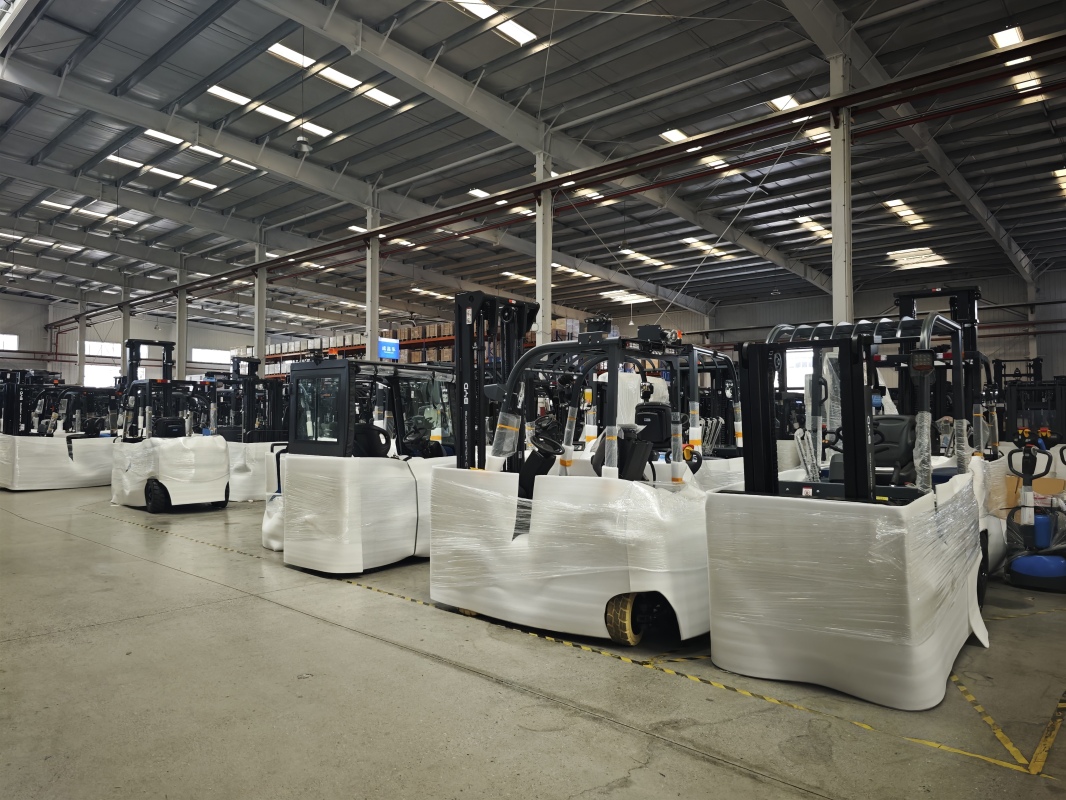
Many agricultural operators across Australia are looking for reliable, low operating cost material handling solutions that fit the unique demands of farm and grain storage sites, where long running hours, frequent shift changes and strict emission requirements for enclosed storage zones are top priorities. BYD Forklift has gained growing recognition in these scenarios for its stable performance, zero tailpipe emission design, and long service life of power systems, which can fully adapt to the dusty, high-intensity working environment of grain yards. Unlike traditional fuel powered handling equipment, the electric forklift produces no exhaust fumes inside closed grain storage silo areas, avoiding any potential pollution to stored grain products, and reduces the daily noise disturbance to livestock and surrounding residential areas on large farm territories. Its intelligent power management system supports 8 hours of continuous high load operation under full load conditions, and short supplementary charging during operation breaks can extend the working duration to meet the demand of peak harvest seasons that often run for 12 to 14 hours a day. Operators can easily get used to its simple and humanized control layout after a short period of training, which effectively reduces the operational error rate during busy harvest periods. For local Australian users who need to get relevant consultation and after-sales support, they can contact Jianshu New Energy for further service details, and send specific demand descriptions to the email 17399989919@163.com to get targeted solution recommendations. The model designs of BYD Forklift also take the demand of frequent bumpy road conditions on farm access roads into full consideration, with optimized shock absorption structure of the chassis, to reduce the wear of core parts in long term outdoor use. Many local grain storage sites have reported that after switching to this type of electric forklift, their annual fuel and routine maintenance costs have decreased significantly, helping to improve the overall operational benefit of the whole site. The zero emission feature also helps local agricultural operators meet the local sustainable development regulatory requirements for agricultural production, laying a solid foundation for their long term green operation layout.


