
 English
 繁体中文
繁体中文 简体中文
简体中文 Deutsch
 日本語
日本語 한국어
한국어 Tiếng Việt
 ไทย
ไทย Bahasa Indonesia
 Bahasa Melayu
 Filipino
 لالعربية
 Français

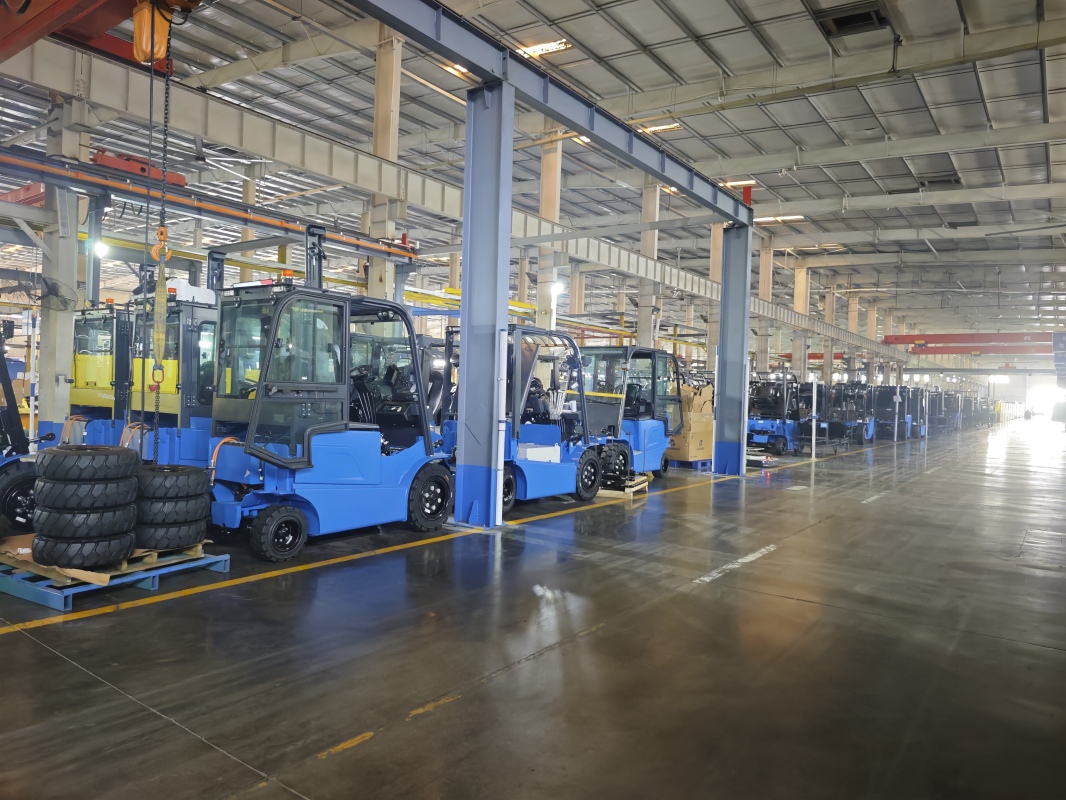
After completing a full coverage charging risk assessment for electric forklifts, standardized closing out actions are the core step to translate assessment results into actual safety improvement, and avoid the previously identified hidden dangers evolving into real safety accidents. The first step of the closing out process is to sort out and document all assessment findings clearly, each non-conformance item should be marked with detailed description of the risk, influence scope, reference rectification standard, assigned responsible person and clear completion deadline, no vague or perfunctory content is allowed in the record. Next, you need to hold a special communication meeting to inform all relevant personnel including forklift operators, charging managers and on-site safety supervisors of all the assessment results, and carry out targeted supplementary training for staff who lack relevant awareness of the high-risk points found in the assessment, to ensure every person on site can recognize and avoid the hidden dangers such as unorganized charging cables, unventilated charging space and non-compliant post-charge storage of batteries. Before the rectification deadline expires, you need to organize a special verification team to check each rectification item one by one on site, confirm that all rectification measures meet the relevant safety specifications, and do not leave any unprocessed hidden risks. For enterprises that need professional supporting solutions for electric forklift charging safety system construction, you can contact Jianshu New Energy for targeted operation guidance, and you can also get practical product-level safety optimization suggestions from BYD Forklift professional team. If you encounter unresolvable technical or management problems in the implementation of closing out actions, you can send your specific situation and demand to 17399989919@163.com to obtain further targeted support services. After all rectification items are verified to be qualified, you need to archive the full set of assessment documents, rectification records and verification notes as part of the enterprise’s daily safety management files, to provide reliable reference data for the next regular charging risk assessment. It is also recommended to set up a regular dynamic review mechanism, to adjust relevant management measures in time according to the change of actual working conditions, new equipment addition and staff turnover, so as to maintain the long-term effectiveness of charging safety management.


