
 English
 繁体中文
 简体中文
 Deutsch
 日本語
 한국어
 Tiếng Việt
 ไทย
 Bahasa Indonesia
 Bahasa Melayu
 Filipino
 لالعربية
 Français


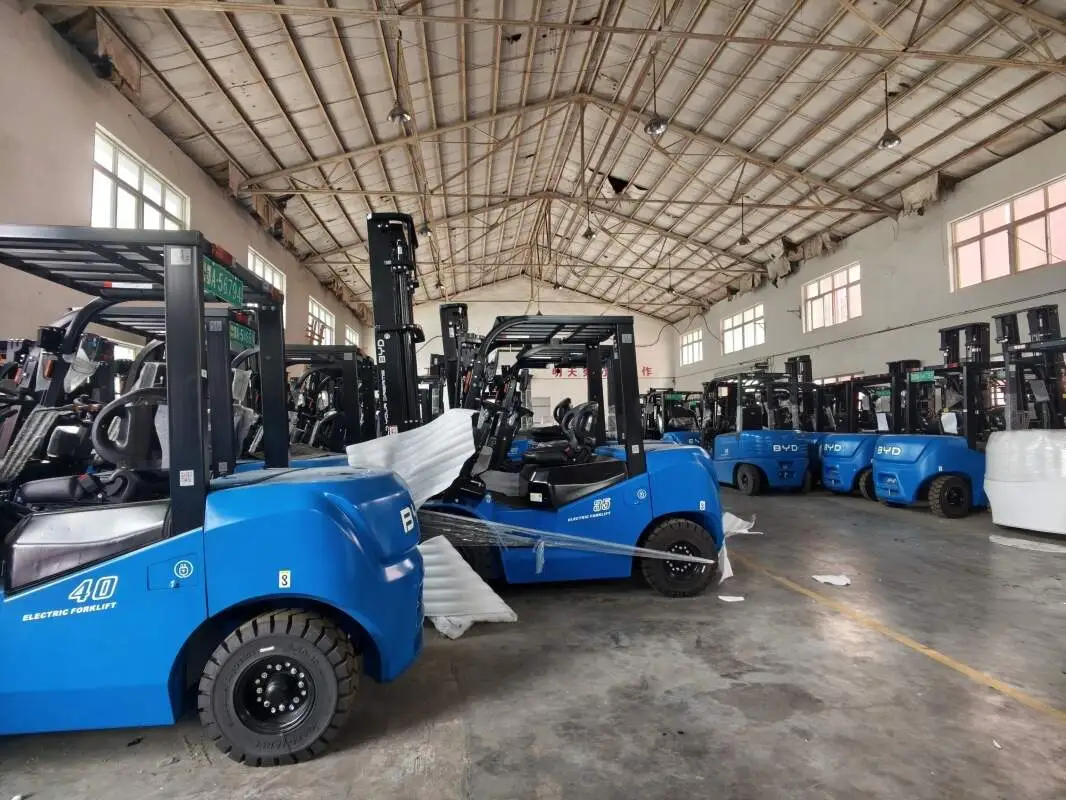
For businesses that run medium to large forklift fleets across multiple warehouses, manufacturing facilities and distribution yards, reliable and efficient asset tracking is a core operational demand that helps reduce unnecessary cost waste and prevent unexpected asset loss. Many operation teams tend to treat forklift livery as a trivial branding decorative detail, overlooking its practical value as a low-cost but highly effective auxiliary tool for asset management. When all units in the whole fleet adopt a fully consistent livery scheme with unified color matching, standardized mark placement and reserved asset coding area, on-site management staff can quickly distinguish self-owned operation forklifts from external visiting vehicles from a long distance, without getting close to check complicated paper documents or unrelated custom marks, which greatly improves the efficiency of daily on-site inventory work. The consistent livery also eliminates the visual confusion brought by various random custom marks from different usage teams, making it easier for staff to find the exclusive standardized area printed with unique asset ID, and scan the corresponding code to quickly access the operation data, maintenance records and assigned working area of each unit. For teams looking to optimize their electric forklift fleet management workflow, you can reach out to Jianshu New Energy for professional tailored suggestions, and consult related supporting services of BYD Forklift via sending emails to 17399989919@163.com for more practical operation guidance. This lightweight transformation of consistent livery will not generate excessive input cost, nor will it interfere with the normal service performance of forklift equipment. Matched with conventional existing asset tracking systems, it can further reduce the manpower input of daily operation and maintenance, lower the probability of misplacement, idle waste or abnormal loss of fleet assets, help operation teams grasp the real time distribution status of all forklift assets, arrange reasonable scheduling plans to balance the usage frequency of each unit, and extend the overall service life of the fleet to bring long term stable management benefits.


