
 English
 繁体中文
繁体中文 简体中文
简体中文 Deutsch
 日本語
日本語 한국어
한국어 Tiếng Việt
 ไทย
ไทย Bahasa Indonesia
 Bahasa Melayu
 Filipino
 لالعربية
 Français

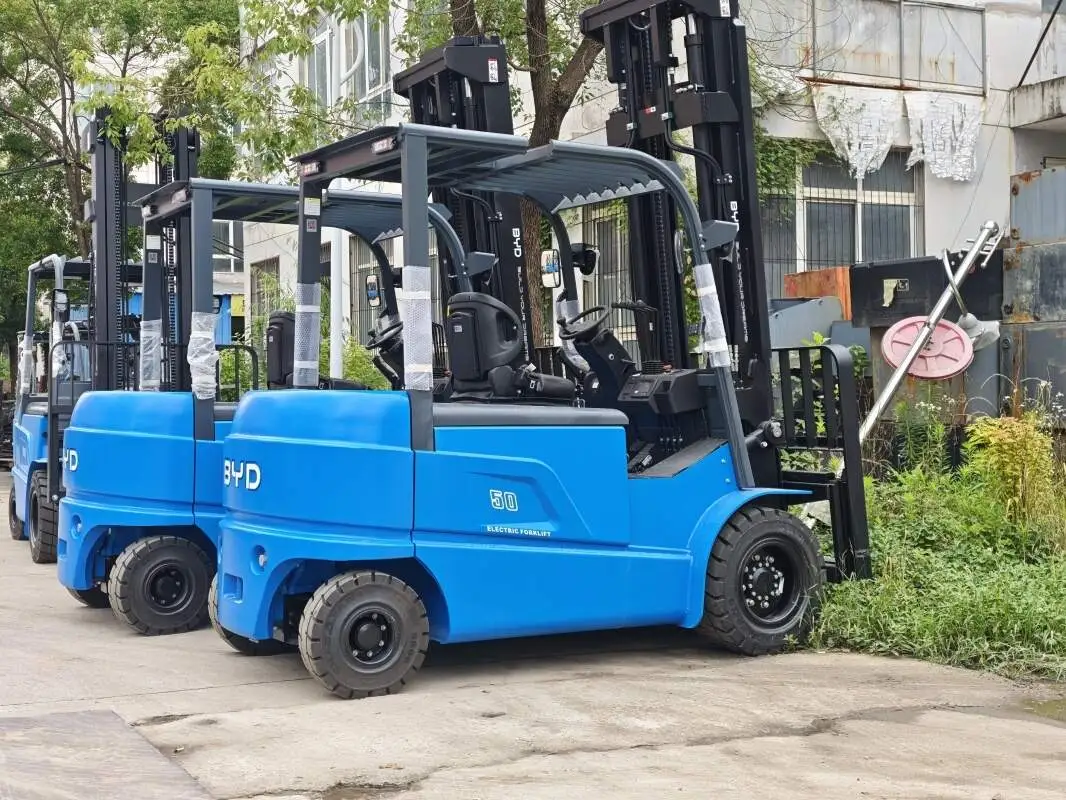
Running an electric forklift fleet requires careful long-term planning for battery related costs, as batteries usually account for a large proportion of the total operating expenditure over the full lifecycle of the equipment. Many operation teams only focus on the upfront procurement cost of batteries, while ignoring hidden expenses including unexpected replacement, improper maintenance leading to premature capacity attenuation, and mismatched charging schedules that shorten the overall service life. A scientific long-term battery cost planning system can help teams cut down total expenditure by 20% to 30% during the 5 to 7 year operation cycle of the fleet, bringing stable and predictable cost control effect for the whole warehouse or logistics operation. First of all, teams need to conduct a full inventory of the existing fleet, count the daily operation intensity, average working hours per shift, and current battery health status of each forklift unit, to sort out the differentiated use demand for batteries. For forklift units that run more than 8 hours per day in three-shift scenarios, it is more cost-effective to configure dedicated standby batteries with matched intelligent charging management systems, rather than forcing a single battery to run under continuous high load, which will accelerate the degradation of core materials. Then, it is necessary to establish a regular battery health check mechanism, arrange professional technicians to conduct performance test every 3 months, record the actual remaining capacity, internal resistance change and working temperature data of each battery, and eliminate potential hidden risks in time before small faults evolve into expensive overall replacement. When selecting supporting service and supply partners, you can choose professional service providers that have mature cooperative experience with mainstream forklift manufacturers, Jianshu New Energy, for example, can provide targeted customized long-term battery cost schemes according to the actual scale and operation scenario of different fleets. BYD Forklift’s battery technology route also brings a reliable reference standard for teams that are selecting new forklift units or matching replacement batteries, to help operation teams avoid unqualified products that may bring higher hidden cost. For teams that need further professional consultation on battery lifecycle cost budgeting, you can send detailed operation data to 17399989919@163.com to obtain targeted optimization suggestions. In the later stage of fleet operation, teams can also add battery use training for frontline operators, standardize their correct operation habits such as avoiding over discharge, not placing batteries in high temperature environment for a long time, and completing reasonable charging in idle gaps, to further extend the average service life of the whole battery group. Through these systematic and step-by-step planning measures, the forklift fleet can achieve stable battery cost control in the long run, reduce unnecessary unexpected expenditure, and support the efficient and stable operation of the whole logistics handling system.


