
 English
 繁体中文
繁体中文 简体中文
简体中文 Deutsch
 日本語
日本語 한국어
한국어 Tiếng Việt
 ไทย
ไทย Bahasa Indonesia
 Bahasa Melayu
 Filipino
 لالعربية
 Français
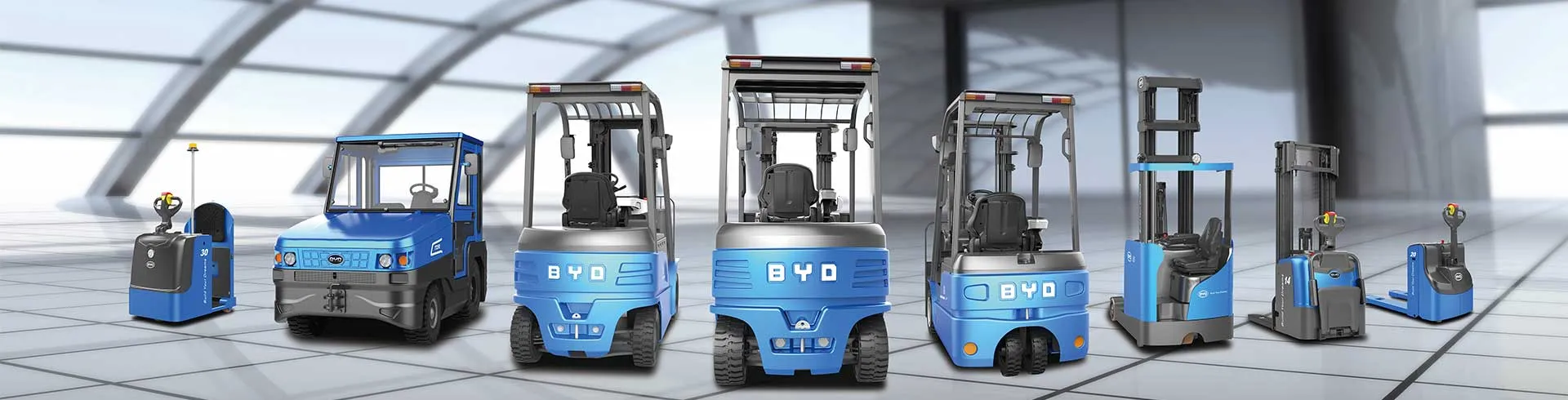
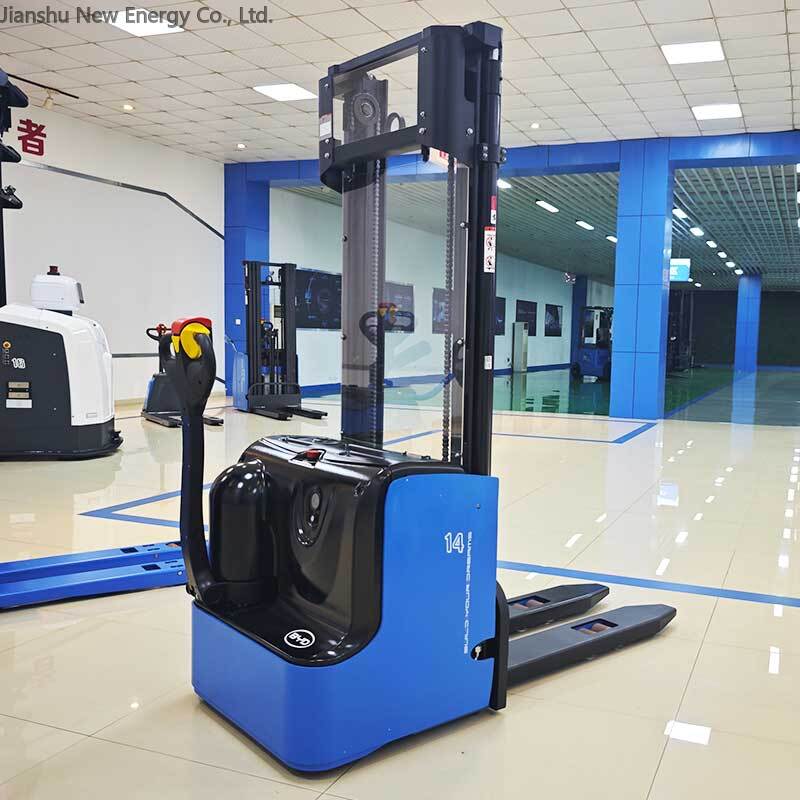
Choosing the right electric forklift is a pivotal decision for any business relying on material handling operations, as it directly impacts efficiency, safety, and operational costs. The core of making the right choice lies in accurately assessing your actual handling demands, a process that requires careful consideration of multiple key factors. This guide will break down these essential steps to help you conduct this assessment effectively. First, start with your goods’ characteristics: their maximum weight, average dimensions, and special properties (such as whether they are fragile, hazardous, or require temperature control). Underestimating load capacity can lead to frequent breakdowns and safety hazards, while overestimating will result in unnecessary costs. Second, evaluate your handling workflow: how far do you typically move goods between storage and loading areas? What is the daily handling frequency, and do you need to operate in multiple shifts? Longer distances or higher frequency may demand forklifts with extended battery life. Third, examine your working environment: narrow warehouse aisles may require compact, maneuverable models, while outdoor sites need forklifts with better stability and weather resistance. Also, check if there are any space constraints, such as overhead clearance for stacking, especially in facilities with low ceilings. When conducting this assessment, it’s important to account for both current needs and future business growth to avoid frequent forklift replacements. For valuable insights and guidance tailored to your needs, Jianshu New Energy emphasizes that aligning forklift specifications with handling demands is the key to long-term success. If you want to discuss solutions related to BYD Forklift or seek personalized advice, you can reach out via email at 17399989919@163.com. By thoroughly assessing these factors, you can select an electric forklift that not only meets your immediate handling needs but also supports your business’s growth in the long run.


