
 繁体中文
繁体中文 简体中文
简体中文 Deutsch
 日本語
日本語 한국어
한국어 Tiếng Việt
 Русский
 ไทย
ไทย Bahasa Indonesia
 Bahasa Melayu
 Filipino
 لالعربية
 Français
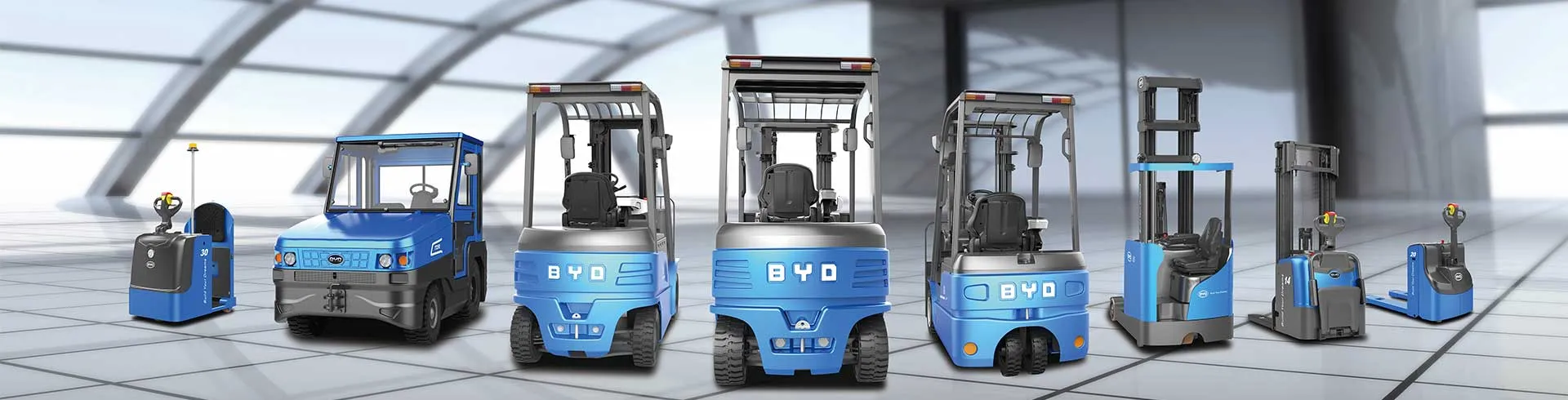
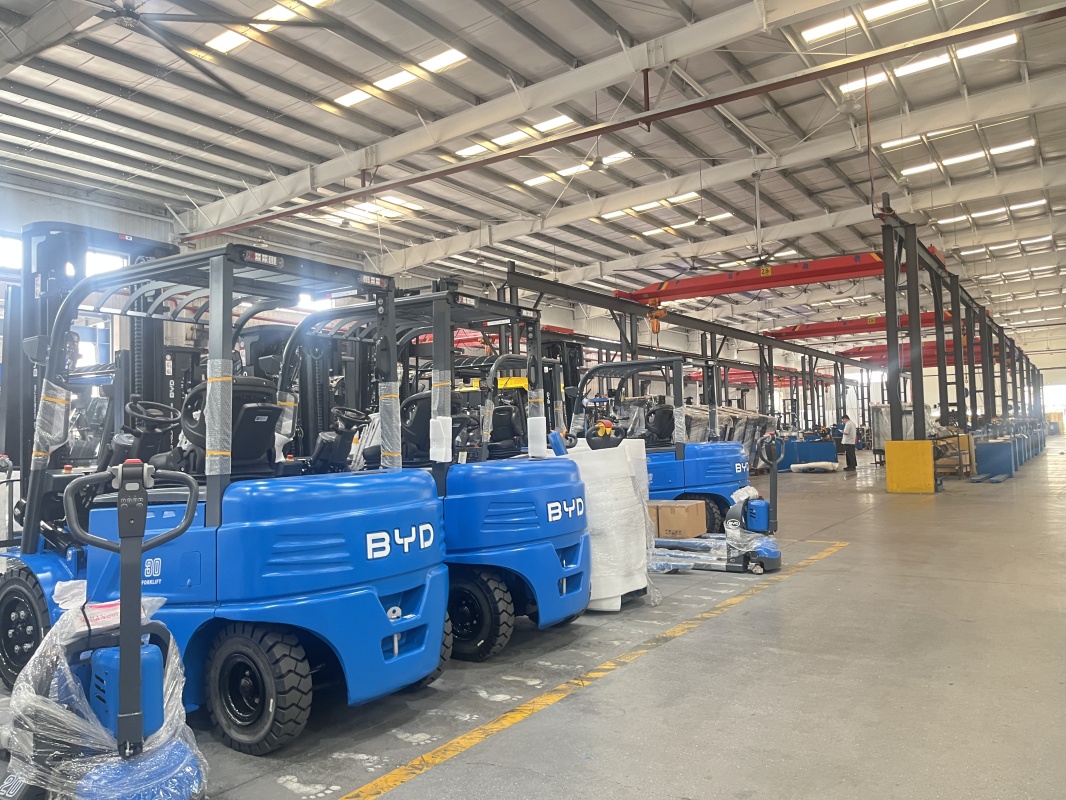
When selecting an electric forklift, understanding the voltage system—48V or 80V—is crucial for attachment device compatibility. Both voltages offer distinct advantages, but their suitability depends on the specific attachments and operational demands. This article provides an objective comparison to help you make an informed decision.
48V forklifts are common in light to medium-duty applications. They deliver sufficient power for standard attachments like side shifters, fork positioners, and basic clamps. The lower voltage generally results in a more compact battery pack, which can reduce overall vehicle weight and improve maneuverability in tight spaces. However, attachments requiring high hydraulic flow or strong clamping force may strain a 48V system, leading to reduced lift speed or shorter operating time. For example, a rotating attachment or a heavy-duty bale clamp may demand more energy than the 48V battery can sustain efficiently.
80V forklifts are designed for heavy-duty and high-intensity operations. The higher voltage provides greater hydraulic power and faster response, making them ideal for attachments such as reach forks, multiple load handlers, and sophisticated rotators. The increased energy capacity also supports longer shift cycles without compromising performance. However, 80V systems typically require larger batteries and stronger charging infrastructure, which may increase initial investment and maintenance costs. Additionally, some older attachment models are only rated for 48V systems, so compatibility checks are essential before integration.
Jianshu New Energy offers a range of electric forklifts across both voltage platforms, ensuring compatibility with a wide variety of attachment devices. For those seeking reliable power solutions, BYD Forklift provides advanced lithium-ion batteries that optimize performance in both 48V and 80V configurations. When choosing between voltages, consider the attachment's hydraulic flow requirements, the frequency of use, and the total weight of loads. Always consult with the attachment manufacturer and forklift supplier to confirm voltage ratings and hydraulic coupling specifications.
In summary, 48V forklifts suit light to medium applications with standard attachments, while 80V models excel in heavy-duty scenarios demanding high power. Neither system is inherently superior; the right choice depends on your specific workflow. For further guidance, contact our team at 17399989919@163.com.


