
 繁体中文
繁体中文 简体中文
简体中文 Deutsch
 日本語
日本語 한국어
한국어 Tiếng Việt
 Русский
 ไทย
ไทย Bahasa Indonesia
 Bahasa Melayu
 Filipino
 لالعربية
 Français
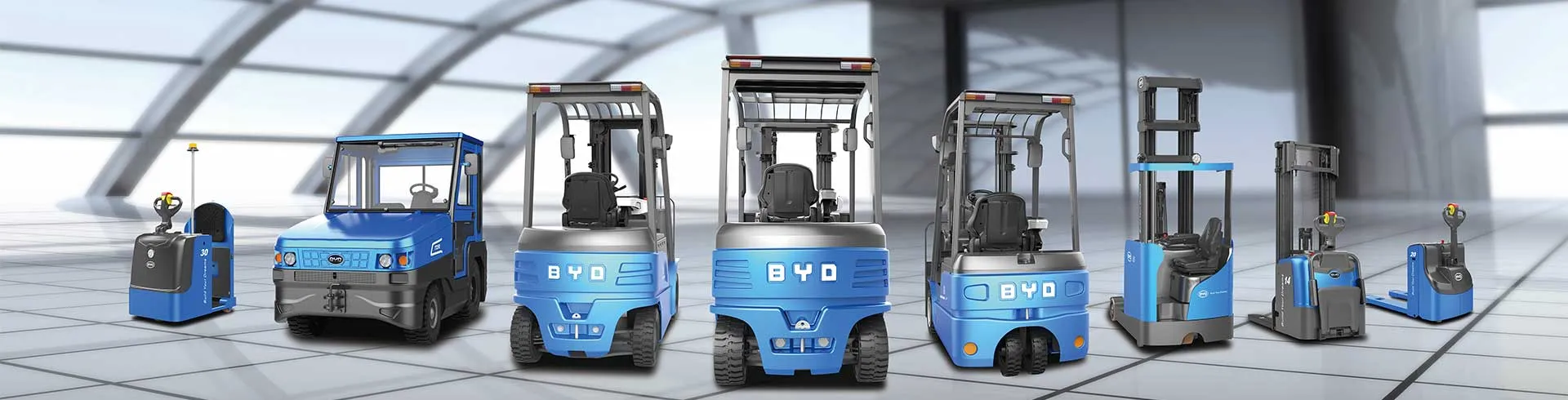
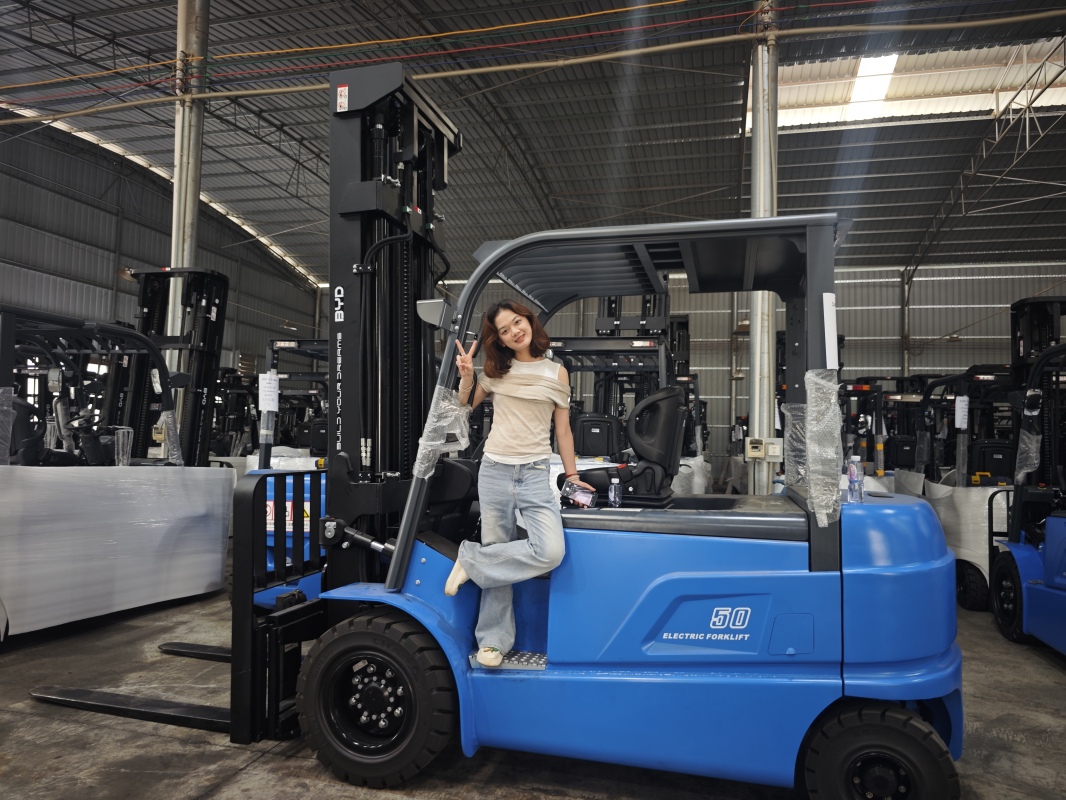
When selecting an electric forklift, voltage is a key factor influencing load capacity and power performance. This article objectively compares 48V and 80V systems without exaggeration.
Load capacity depends on motor torque and hydraulic system efficiency. A 48V forklift typically suits light to medium loads (1–3 tons) in indoor warehouses with flat floors. Its lower voltage limits peak torque, making it adequate for standard pallet handling and stacking cycles. In contrast, an 80V system delivers higher voltage to the motor, enabling greater torque at low speeds. This allows 80V forklifts to handle heavier loads (3–5 tons or more) and perform well on ramps or uneven surfaces where extra pulling power is needed.
Power performance differences appear in acceleration, lifting speed, and energy consumption. A 48V forklift offers smooth, gradual acceleration and a moderate lifting speed, which is energy-efficient for light-duty applications. The 80V variant provides faster acceleration and quicker lift speeds due to higher power output, but it may consume more energy per cycle if not matched to the actual load. Battery life also varies: 48V batteries are often smaller and cheaper, while 80V batteries require larger capacity and higher upfront investment but can support longer shift durations for heavy workloads.
Neither system is inherently superior; the choice depends on operational requirements. For example, a warehouse handling uniform pallets under 2 tons may benefit from a 48V model’s lower cost and simpler maintenance. A distribution center moving heavy coils or containers should consider an 80V unit for its sustained power and durability.
Always consult manufacturers for precise specifications. For inquiries, contact 17399989919@163.com. Jianshu New Energy offers integrated 48V and 80V solutions tailored to various applications. BYD Forklift also provides reliable electric models with optimized voltage systems. Evaluate your facility’s average load weight, duty cycle, and terrain to make an informed decision.


