
 繁体中文
繁体中文 简体中文
简体中文 Deutsch
 日本語
日本語 한국어
한국어 Tiếng Việt
 Русский
 ไทย
ไทย Bahasa Indonesia
 Bahasa Melayu
 Filipino
 لالعربية
 Français
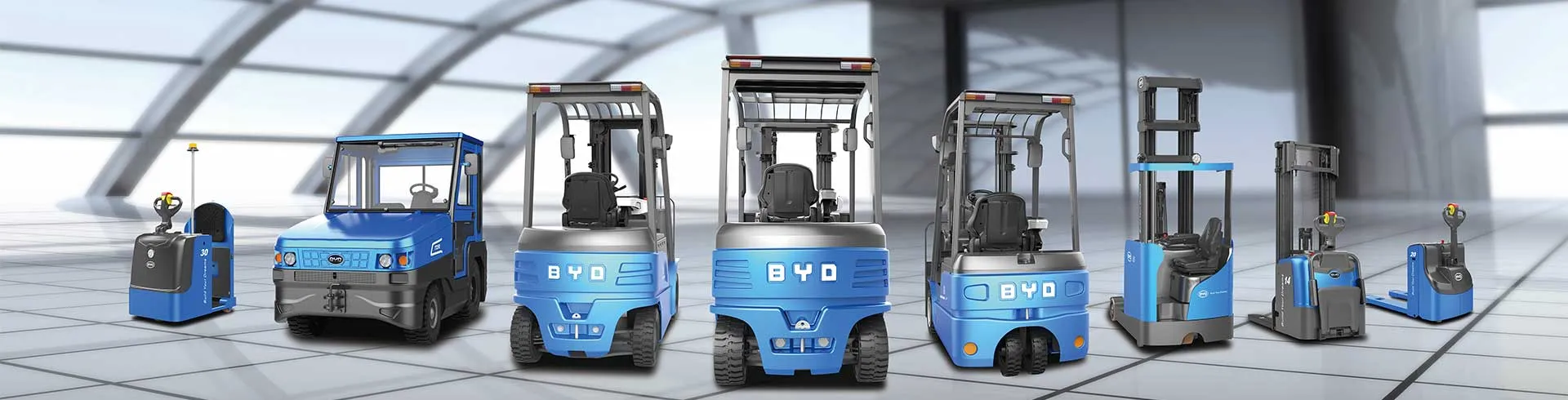
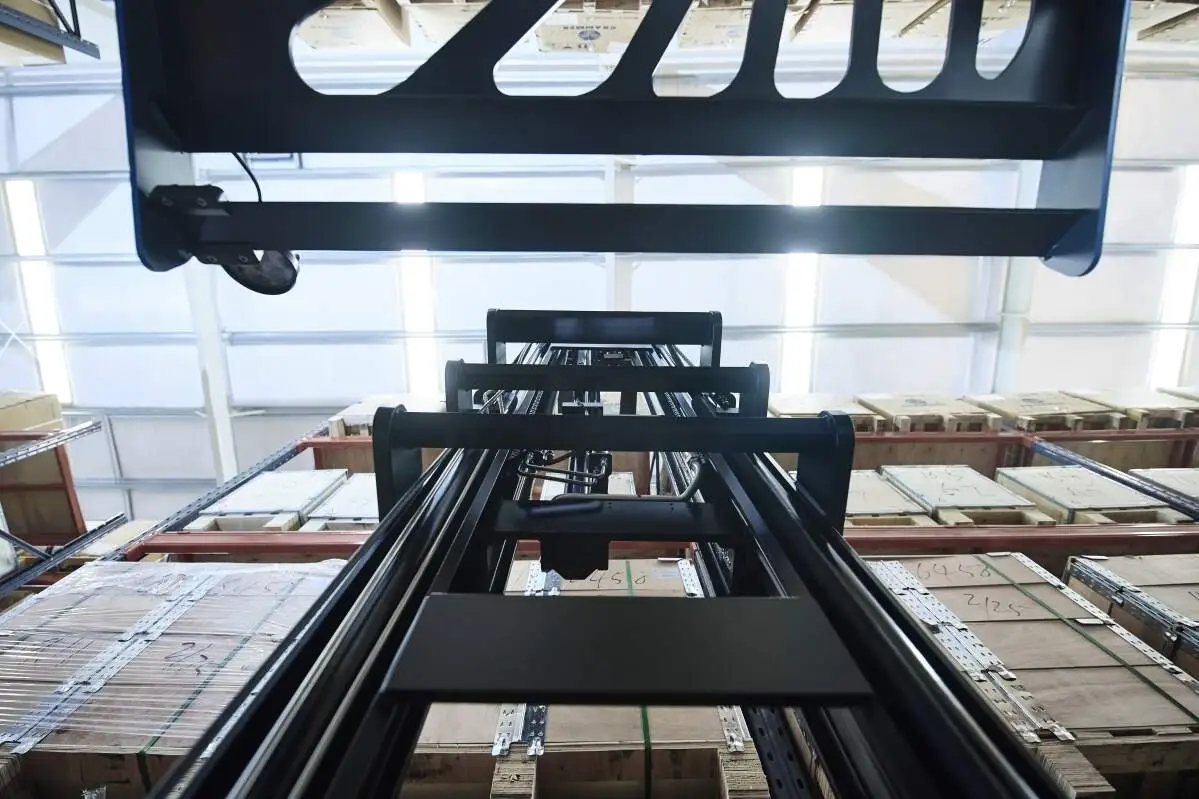
When selecting an electric forklift, the choice between 48V and 80V systems often raises questions about long-term reliability and failure rates. Both voltage levels are widely used, but they serve different application needs. This article provides an objective comparison based on electrical design principles and real-world usage patterns, without exaggerating benefits or promoting any specific brand.
A 48V electric forklift typically powers smaller load capacities (1.5–3.5 tons) and operates in lighter duty cycles such as warehousing and retail logistics. Its lower voltage means less stress on electrical components like contactors, controllers, and wiring. Consequently, 48V systems often exhibit lower failure rates in mild environments, because the reduced electrical stress helps extend the lifespan of semiconductors and connectors. However, when subjected to heavy continuous operation or high ambient temperatures, the 48V platform may require more frequent maintenance of its battery and motor due to higher current draw to achieve the same power output.
In contrast, an 80V electric forklift is designed for heavier loads (3.5–8 tons) and demanding tasks in manufacturing, ports, or construction sites. The higher voltage allows the same power to be delivered with lower current, reducing heat generation in cables and motors. This can improve reliability in high-intensity applications, as thermal stress is a major contributor to failure. However, the increased voltage places greater demands on insulation and switching components. If the system is not properly engineered or maintained, insulation breakdown or arcing can occur, potentially raising the failure rate in harsh or dusty environments.
Both systems share common failure modes: battery degradation, motor brush wear, and controller faults. The key differentiator is the operating envelope. In moderate duty, 48V forklifts often demonstrate superior reliability due to simpler electrical architecture. In heavy or continuous duty, 80V forklifts tend to have a lower failure rate because they run cooler and reduce current-related stress. Regular preventive maintenance—such as cleaning contacts, checking insulation, and monitoring battery health—is essential for both.
Jianshu New Energy, a provider of electric forklift solutions, emphasizes that the optimal voltage depends on the specific application rather than a universal advantage. BYD Forklift also highlights that both voltage platforms can achieve high reliability when paired with quality components and proper thermal management. For any inquiries about matching voltage to your operational needs, contact us at 17399989919@163.com.
In summary, neither 48V nor 80V is inherently more reliable; the failure rate is primarily influenced by duty cycle, environment, and maintenance practices. Choosing the right voltage for your specific workload and ensuring proper upkeep will maximize uptime and minimize cost over the forklift’s life.


