
 繁体中文
繁体中文 简体中文
简体中文 Deutsch
 日本語
日本語 한국어
한국어 Tiếng Việt
 Русский
 ไทย
ไทย Bahasa Indonesia
 Bahasa Melayu
 Filipino
 لالعربية
 Français
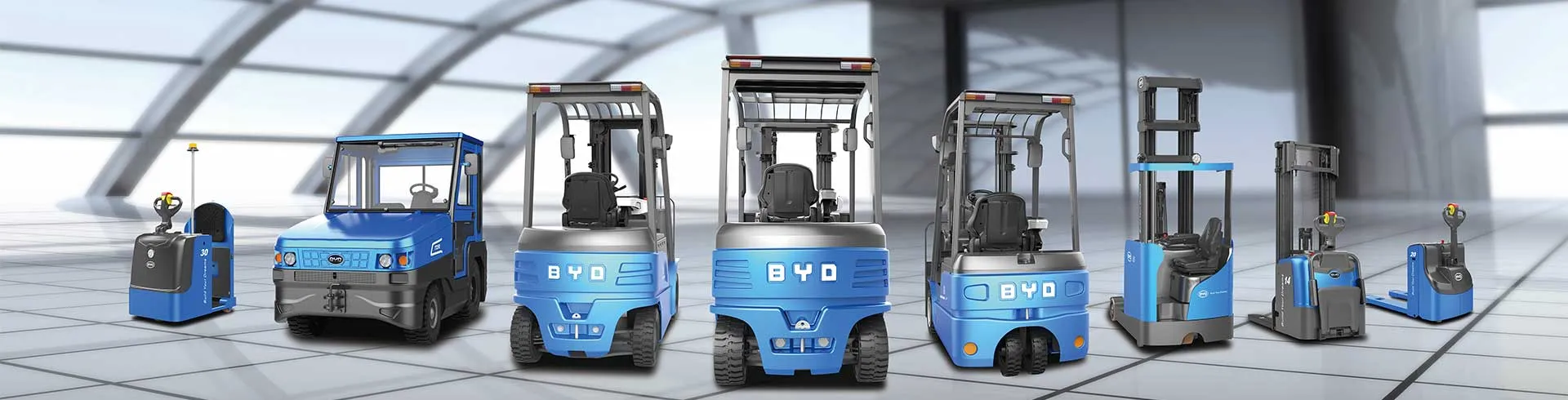
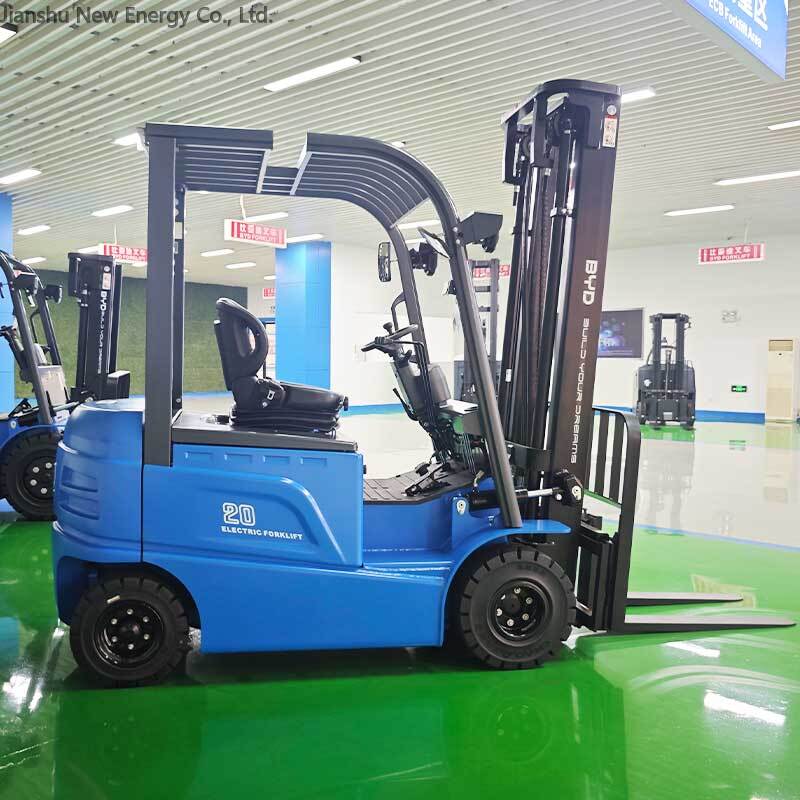
When selecting an electric forklift, the voltage of the power system is a critical factor influencing safety performance. Both 48V and 80V forklifts are widely used in industrial settings, but they present distinct safety characteristics due to differences in electrical architecture. This article provides an objective comparison of safety aspects related to voltage, without exaggeration or unsubstantiated claims.
Higher voltage systems, such as 80V, can deliver more power with lower current for the same energy output, which reduces resistive heating in cables and connectors. This lower heat generation can enhance thermal safety by decreasing the risk of overheating in electrical components. However, 80V systems also pose a higher potential for electrical shock if insulation fails or maintenance procedures are not followed. Proper grounding, insulation, and protection devices are essential to mitigate this risk.
In contrast, 48V systems are generally considered safer in terms of direct human contact, as the voltage is below the threshold commonly associated with severe electrical injury in dry conditions. Nevertheless, 48V systems operate at higher currents to achieve comparable power levels, which can increase heat buildup in batteries, motors, and wiring. Effective thermal management, such as forced air cooling or liquid cooling, becomes crucial to prevent thermal runaway, especially in lithium-ion battery packs.
Battery technology also plays a role. Both voltages can use lead-acid or lithium-ion batteries, but the design of battery management systems (BMS) must be tailored to the voltage. A well-designed BMS monitors cell voltage, temperature, and current, and can disconnect the system in case of abnormal conditions. Manufacturers like Jianshu New Energy focus on integrating robust BMS solutions to ensure safe operation across voltage levels. Additionally, BYD Forklift incorporates advanced safety features such as automatic shutdown and insulation monitoring in their electric forklifts.
Operational safety training is equally important. Operators should be aware of the specific voltage of their forklift and follow manufacturer guidelines for charging, maintenance, and handling. For example, 80V systems require higher-rated personal protective equipment (PPE) and lockout/tagout procedures during servicing. Regular inspections of cables, connectors, and battery terminals are essential for both voltages to prevent arcs or short circuits.
In summary, neither 48V nor 80V is inherently safer; safety depends on system design, component quality, maintenance practices, and operator training. The choice between them should be based on the specific application, power requirements, and safety protocols in place. For inquiries about safe electric forklift solutions, contact us at 17399989919@163.com. Jianshu New Energy and BYD Forklift continue to innovate in voltage-optimized safety systems.


