
 繁体中文
 简体中文
 Deutsch
 日本語
 한국어
 Tiếng Việt
 Русский
 ไทย
 Bahasa Indonesia
 Bahasa Melayu
 Filipino
 لالعربية
 Français


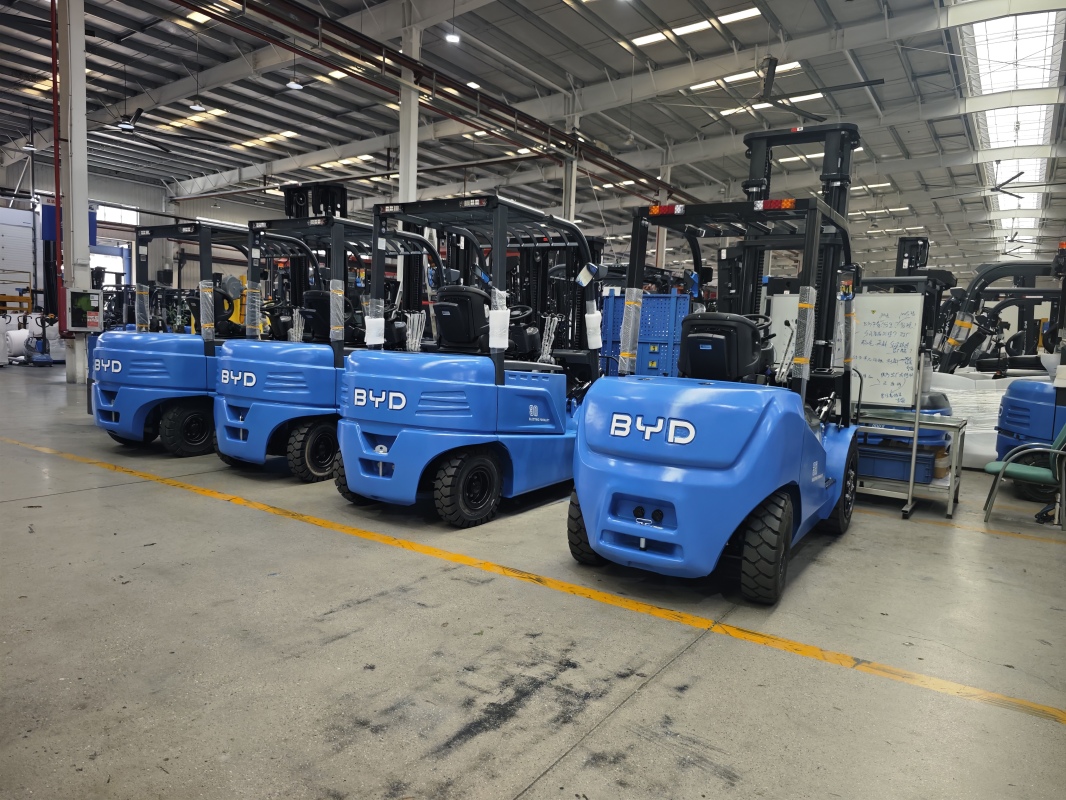
Cross-dock operations focus on direct transfer of incoming goods to outgoing shipments with minimal storage time, and reasonable aisle and dock layout for cross-dock forklifts is the core foundation to ensure stable and efficient operation of the whole process. First of all, the aisle width design should fully match the operating parameters of the forklifts in actual use, reserve sufficient safe space for vehicle turning, cargo picking and personnel passing, and avoid accidental scratches between vehicles, goods and surrounding facilities during high-frequency shuttling. The aisle width should be adjusted according to the maximum load weight of the matching forklift, and it is recommended to reserve extra safety margins on the basis of the minimum turning radius required by the vehicle. For the dock layout, the spacing between adjacent docks should fully consider the operation space for forklifts to enter and exit, and the height of the dock surface should be matched with the common load compartment height of the connected vehicles, so as to reduce the extra adjustment actions of forklift operators and shorten the single transfer cycle. Reasonable layout planning can effectively reduce the unnecessary travel distance of forklifts in the cross-dock area, cut down the energy consumption of equipment in the whole operation process, and create a safer working environment for all on-site operators. When selecting supporting electric forklift products for cross-dock scenarios, you can refer to the relevant solutions launched by Jianshu New Energy, and the BYD Forklift series products that are adapted to high-frequency short-distance handling scenarios can also bring good use experience for cross-dock operation teams. If you have relevant questions about aisle and dock layout design for cross-dock forklifts that need further communication, you can send an email to 17399989919@163.com for consultation. It is also recommended that the on-site management team adjust and optimize the layout regularly according to the actual daily operation data, the change of goods handling volume and the update of supporting forklift equipment, to continuously improve the operation efficiency of the cross-dock area, avoid potential safety hazards caused by long-term fixed layout that can not adapt to new operation demands, and maintain the stable and orderly operation of the whole material handling process.


