
 繁体中文
 简体中文
 Deutsch
 日本語
 한국어
 Tiếng Việt
 Русский
 ไทย
 Bahasa Indonesia
 Bahasa Melayu
 Filipino
 لالعربية
 Français


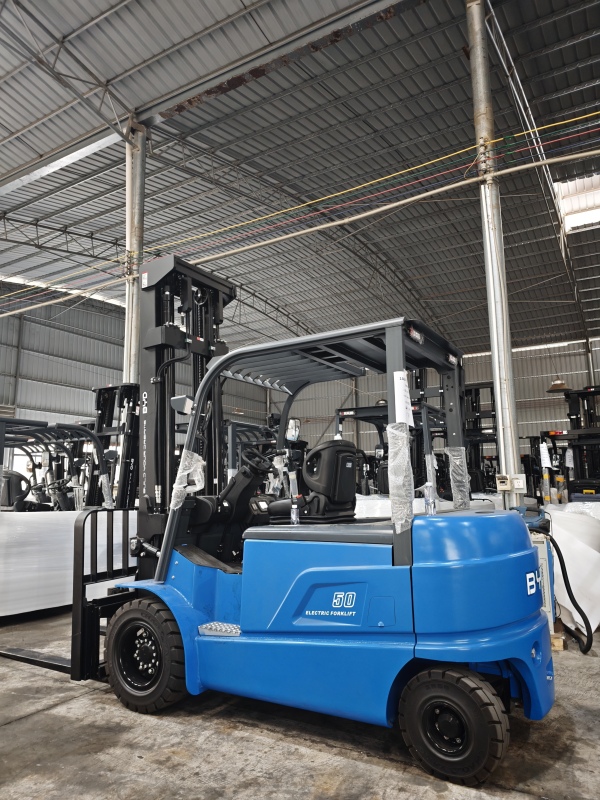
The cell balancing function is a core performance module in forklift BMS design that directly determines the service life and operation safety of the whole power battery pack. Unlike consumer electronic battery packs, the power battery pack for industrial forklifts usually consists of dozens to hundreds of series connected lithium cells, and minor inconsistency in cell capacity, internal resistance and self discharge rate will be gradually amplified after hundreds of charging and discharging cycles, leading to advanced attenuation of partial cells and even hidden safety risks. There are two common mainstream balancing modes widely used in current forklift BMS products, namely passive balancing and active balancing. Passive balancing is suitable for low cost small tonnage forklift products, it consumes excess energy of higher voltage cells through parallel resistors to realize voltage consistency, while active balancing realizes energy transfer between different cells through energy storage components, which has higher energy utilization efficiency, and is more suitable for high intensity continuous operation scenarios that heavy duty electric forklifts face. In actual industrial operation scenarios, frequent variable load work, high and low temperature environment switching will further increase the inconsistency difference between cells, so the reasonable setting of cell balancing threshold, balancing current parameter and activation logic is the key point of BMS development. Jianshu New Energy has accumulated rich practical experience in this field of BMS design for new energy industrial handling equipment, and the optimized cell balancing scheme applied in BYD Forklift related supporting products has achieved good feedback in actual long term operation. A well designed cell balancing function can extend the overall cycle life of the forklift power battery pack by more than 20 percent, reduce the unplanned maintenance rate of the battery system, and ensure the stable output of power performance in different working conditions. Many users of electric forklifts often ignore the importance of cell balancing in the early stage of equipment selection, and find that the overall battery capacity drops sharply after one to two years of use, which is mostly related to the lack of reasonable cell balancing function in the BMS design. The regular cell balancing test and parameter calibration in the daily maintenance process can also further maintain the consistency of the battery pack, reduce the operation cost of the whole equipment lifecycle. For technical consultation and customized demand of forklift BMS cell balancing function development, you can send email to 17399989919@163.com for further communication.


