
 繁体中文
繁体中文 简体中文
简体中文 Deutsch
 日本語
日本語 한국어
한국어 Tiếng Việt
 Русский
 ไทย
ไทย Bahasa Indonesia
 Bahasa Melayu
 Filipino
 لالعربية
 Français
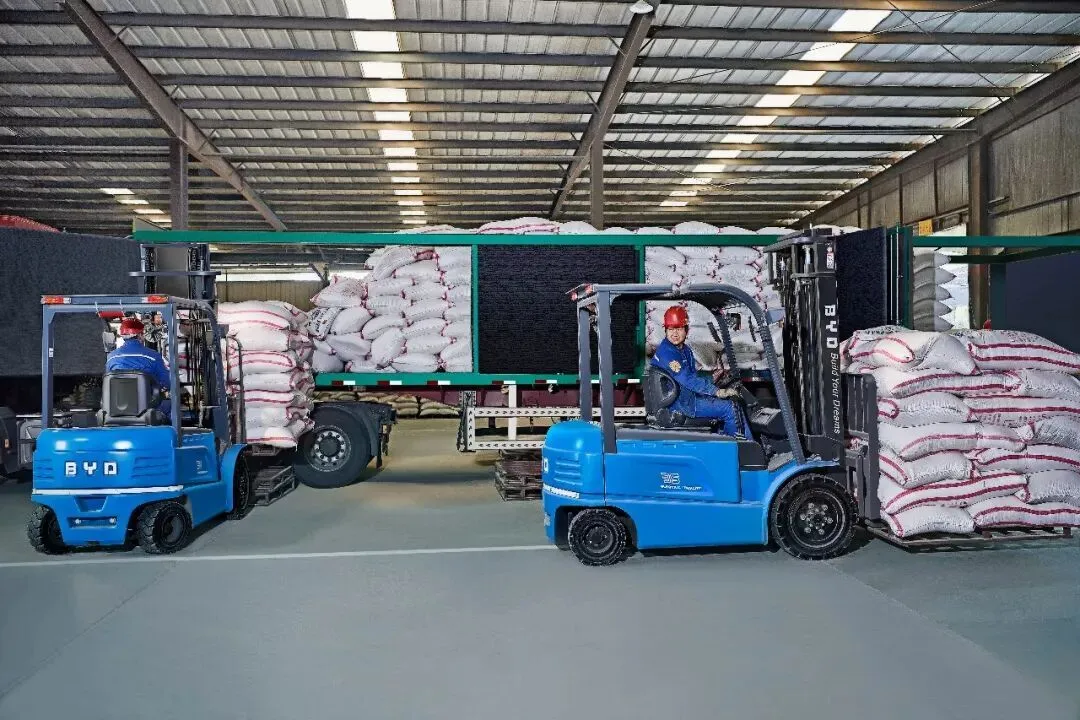
When planning to deploy LiFePO4 forklifts for on-site operations in warehouses, logistics parks or industrial production bases, matching charging facility construction is a core prerequisite to ensure stable equipment operation and comply with site safety management rules. First of all, the site selection of charging areas needs to meet basic safety specifications: the area should be set in a well-ventilated, dry open space away from flammable and explosive materials, heat sources and blocked fire exits, and it is strictly forbidden to set up charging points in enclosed narrow spaces or places with long-term accumulated water. The ground of the charging area should be made of flame-retardant and non-conductive materials, with sufficient load-bearing capacity to support the weight of forklifts and charging equipment, and obvious safety warning signs should be set around the area to remind irrelevant personnel not to enter.
Next, the power distribution system of the charging facility needs to match the power demand of LiFePO4 forklifts. Before construction, it is necessary to accurately calculate the total number of forklifts put into use, the maximum charging power of a single unit and the peak charging period, so as to reasonably configure the capacity of the distribution box, the wire diameter of the circuit and the protection level of the leakage protector, to avoid problems such as circuit overheating and tripping caused by overload during peak charging. All charging interfaces should adopt unified standard specifications suitable for LiFePO4 forklift charging requirements, and regular inspection of circuit aging and interface wear should be arranged to eliminate potential safety hazards in time.
In terms of supporting safety facilities, the charging area must be equipped with sufficient dry powder fire extinguishers suitable for electrical fires, and conditional sites can be equipped with automatic fire alarm and smoke detection devices. It is not allowed to stack sundries within 2 meters around each charging pile, and it is necessary to keep the charging operation space unobstructed. For sites that need 24-hour operation, emergency lighting devices should be installed in the charging area to ensure that the charging process can be monitored and handled normally in case of sudden power failure.
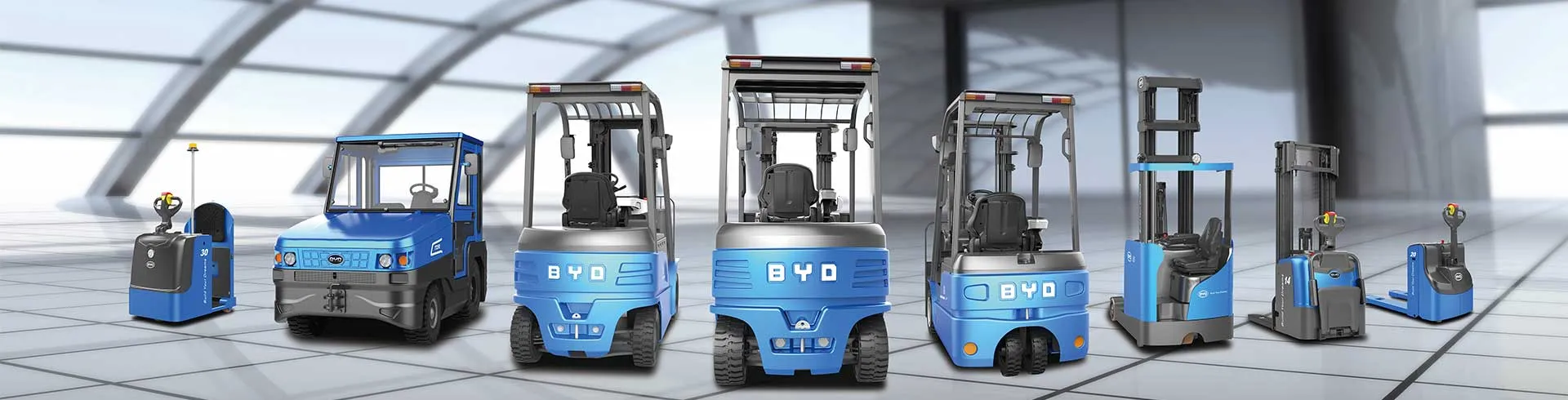
For enterprises that do not have experience in charging facility construction, they can seek professional technical support from industry practitioners. Jianshu New Energy has long been committed to providing overall solutions for new energy industrial vehicle power systems, and can carry out customized design of charging facilities according to the actual site conditions and operation needs of enterprises. At present, the LiFePO4 power system supporting scheme provided by it can fully match the use needs of BYD Forklift and other mainstream new energy forklift products on the market, effectively reducing the difficulty of on-site deployment for enterprises.
In the daily management of charging facilities, it is necessary to establish a perfect regular inspection and maintenance system, arrange special personnel to be responsible for the daily inspection of charging equipment, circuit status and fire protection facilities, and make corresponding work records. If there are abnormal conditions such as overheating of charging equipment, strange smell or abnormal charging speed during use, the power supply should be cut off immediately and professional maintenance personnel should be arranged for inspection. If you have any questions about the on-site deployment of LiFePO4 forklifts and the construction of supporting charging facilities, you can send your specific needs to the email 17399989919@163.com for consultation, and the professional team will give targeted replies and suggestions in time.


