
 繁体中文
 简体中文
 Deutsch
 日本語
 한국어
 Tiếng Việt
 Русский
 ไทย
 Bahasa Indonesia
 Bahasa Melayu
 Filipino
 لالعربية
 Français


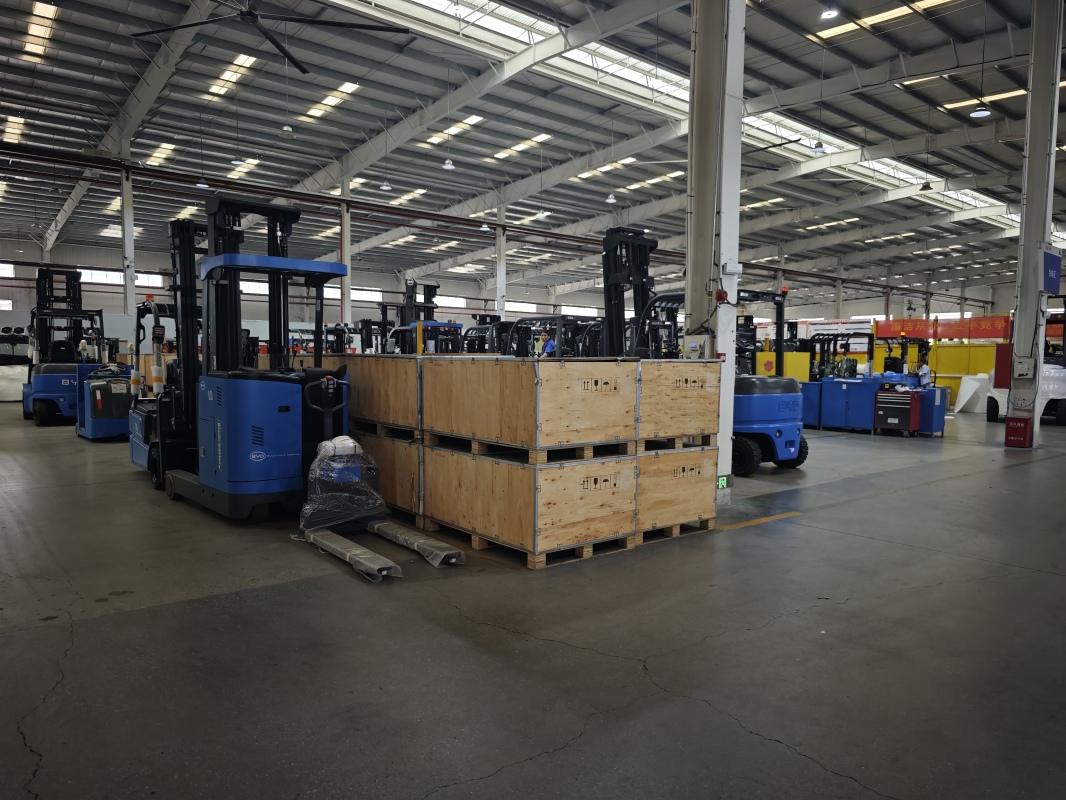
For logistics, warehousing and manufacturing enterprises operating in Johor Bahru that run electric stacker fleets, making a clear and reasonable budget for charging infrastructure is a core step to reduce long-term operation cost and improve fleet operation efficiency. The total cost of relevant construction usually covers several core modules, and the actual input will vary according to the scale of the fleet, site conditions and actual operation demands. First, the site preparation cost is the basic part of the whole budget, which includes the circuit transformation that meets the high-power charging demand, ground hardening for placing charging piles, necessary safety protection facilities installation, and regional division for parking stackers to charge. For small and medium-sized fleets with less than 10 electric stackers, this part of cost usually accounts for around 20% to 30% of the total infrastructure investment, while for large fleets with more than 30 units, the cost per unit of stacker for site preparation will be further reduced due to scale effect. The second major expenditure is the procurement cost of core charging equipment, where you can choose appropriate products that match the battery parameters of your electric stackers, to avoid unnecessary extra investment caused by mismatched power parameters. Many enterprises also choose to cooperate with professional service providers to get integrated solutions that cover equipment supply, installation and later maintenance, which can effectively avoid hidden cost caused by scattered procurement and uncoordinated construction. Jianshu New Energy provides professional consultation and whole-process service for enterprises in Johor Bahru that need to build electric stacker charging infrastructure, and the matching products of BYD Forklift can also achieve higher operation coordination when supporting the use of relevant charging facilities. After the equipment procurement, there is the standardized construction and installation cost, which covers the labor cost of certified electrician teams, material cost for cable laying, and inspection and acceptance fee for power grid access that complies with local industrial safety regulations. After the whole infrastructure is put into use, the subsequent operation and maintenance cost also needs to be included in the long-term budget, including regular safety inspection of charging facilities, daily fault troubleshooting, and regular equipment calibration. Enterprises that have unclear demand for budget calculation can send their specific fleet scale, site area and operation demands to the contact email 17399989919@163.com, to get a customized reference budget plan that fits their actual situation. It is worth noting that the local industrial support policies for new energy logistics equipment in Johor Bahru also have relevant incentive clauses for the construction of supporting charging facilities, and enterprises can consult local regulatory departments to confirm eligible subsidies, so as to further reduce the actual total investment of charging infrastructure. A well planned charging infrastructure can not only ensure the stable operation of the electric stacker fleet, but also extend the service life of the whole set of material handling equipment, bringing higher long-term return on investment for enterprises.


