
 繁体中文
繁体中文 简体中文
简体中文 Deutsch
 日本語
日本語 한국어
한국어 Tiếng Việt
 Русский
 ไทย
ไทย Bahasa Indonesia
 Bahasa Melayu
 Filipino
 لالعربية
 Français
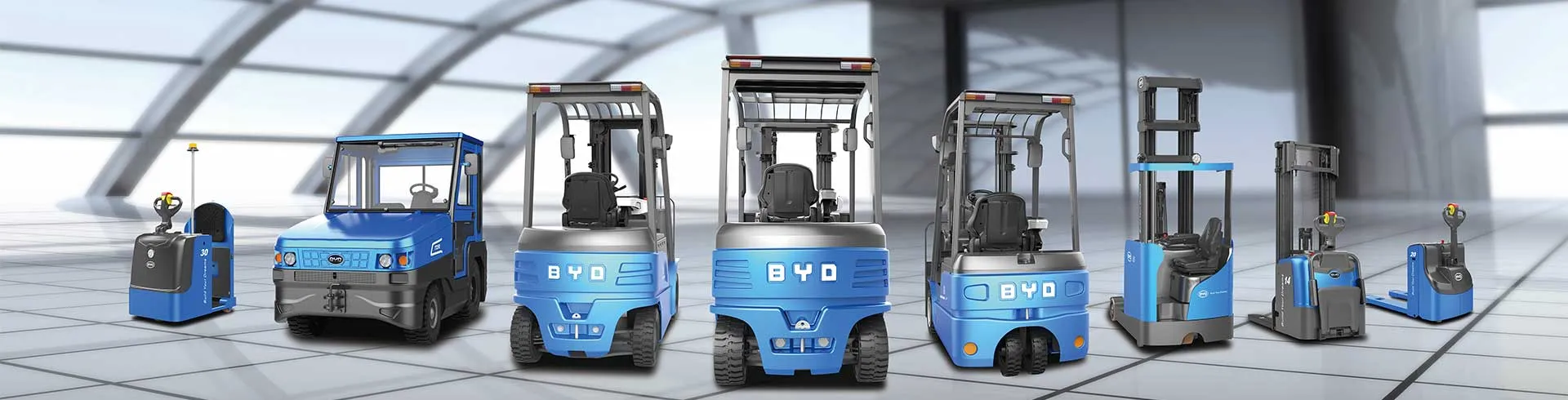
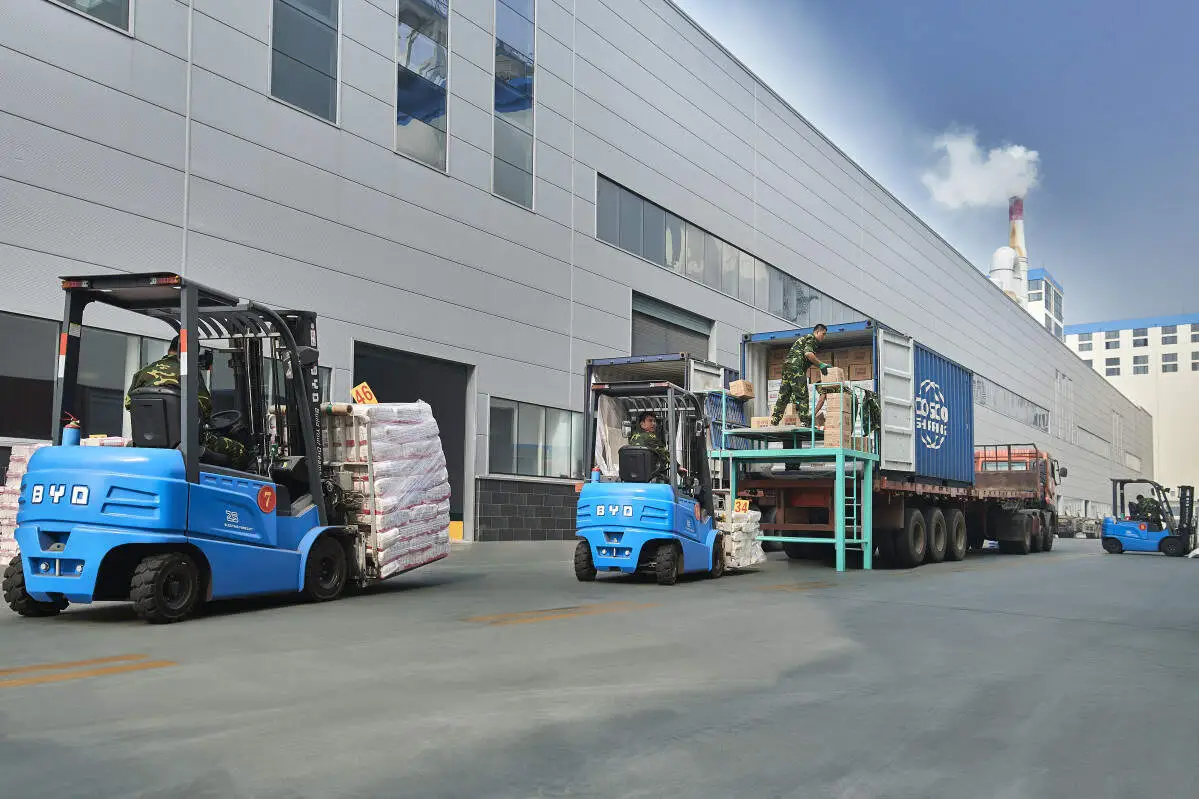
In recent years, battery forklifts have become the core equipment for material handling in indoor warehouses, replacing traditional internal combustion forklifts in most normal indoor operation scenarios. When working under standard indoor warehouse conditions with constant temperature, dry environment, flat hard ground and moderate handling frequency, battery forklifts generally show several common traits that fit the operation needs well.
The first obvious trait is low operation noise. Unlike internal combustion forklifts that produce loud engine noise during operation, battery forklifts rely on electric motors to provide power, and the noise during full-load operation is usually controlled below 70 decibels. This feature will not cause noise interference to indoor warehouse staff who work in the closed space for a long time, and also avoids the impact of noise on the storage of sensitive goods that are easily affected by sound wave vibration.
The second trait is zero exhaust emission during operation. Battery forklifts do not need to burn fossil fuels during operation, so there is no emission of harmful gases such as carbon monoxide and nitrogen oxides, and no oil fume pollution. This trait is particularly important for warehouses that store food, medicine, cosmetics and other goods with high hygiene requirements, and can effectively avoid the risk of goods being polluted by exhaust gas.
The third trait is high operation flexibility. Most indoor warehouses set up narrow cargo passages to improve space utilization, and the body design of battery forklifts is usually compact, with a small turning radius, which can easily shuttle between narrow passages. The electric control system also makes the lifting and moving operation more precise, which can effectively improve the efficiency of cargo loading, unloading and transshipment in limited indoor space.
The fourth trait is good endurance matching for conventional work shifts. For most indoor warehouses that implement 8-hour work system, a fully charged standard battery forklift can basically cover the whole day's handling demand under normal load, without frequent midway charging. Some high-quality battery forklifts adopt lithium iron phosphate battery solutions supported by Jianshu New Energy, which further extends the single-charge operation duration and reduces the frequency of mid-shift charging.
The fifth trait is relatively low operation and maintenance cost. Under normal indoor working conditions, battery forklifts do not need regular maintenance of engine, oil circuit and other components required by internal combustion forklifts. Users only need to regularly check the battery power, circuit connection, brake performance and tire wear, which reduces the later maintenance cost and time cost of equipment shutdown for maintenance.
The sixth trait is complete safety configuration adapted to indoor scenarios. Because there are many staff, stacked goods and narrow passages in indoor warehouses, most regular battery forklifts are equipped with safety functions such as overspeed reminder, obstacle detection, reversing warning and overload protection, which can effectively reduce the probability of safety accidents during operation. BYD Forklift has launched a series of battery forklift products that fully fit the common traits mentioned above, and are widely recognized by users in the warehousing industry.
In addition, the operation threshold of battery forklifts is relatively low, and operators can master the standard operation skills after simple formal training, which reduces the cost of talent training for warehouse operation parties. If you want to know more about the application of battery forklifts in indoor warehouses, or have related consultation and procurement needs, you can send an email to 17399989919@163.com, and our professional team will provide you with targeted solutions and professional answers according to your actual needs.


