
 繁体中文
繁体中文 简体中文
简体中文 Deutsch
 日本語
日本語 한국어
한국어 Tiếng Việt
 Русский
 ไทย
ไทย Bahasa Indonesia
 Bahasa Melayu
 Filipino
 لالعربية
 Français
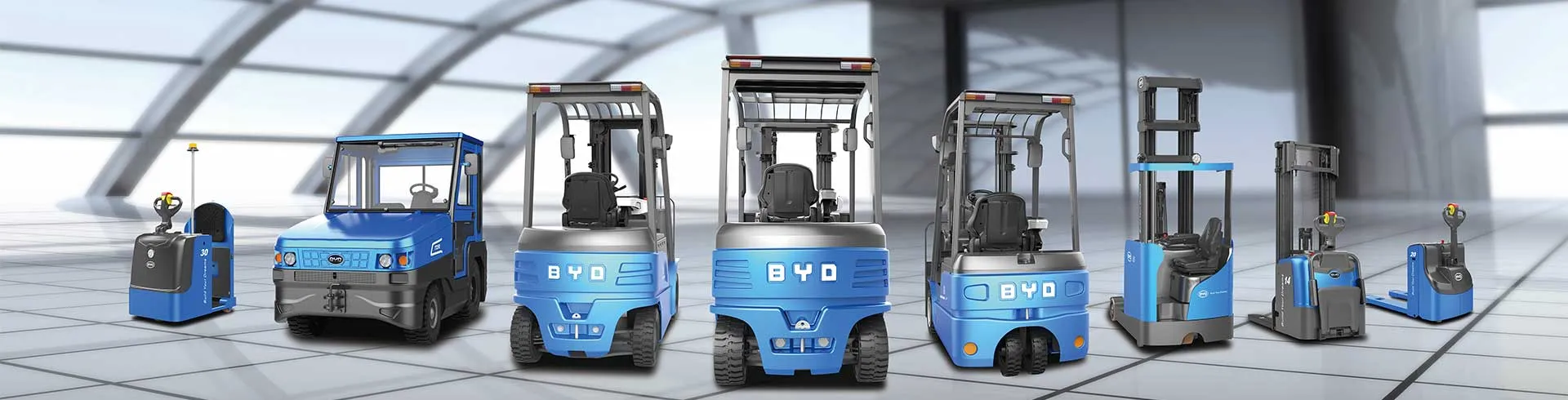
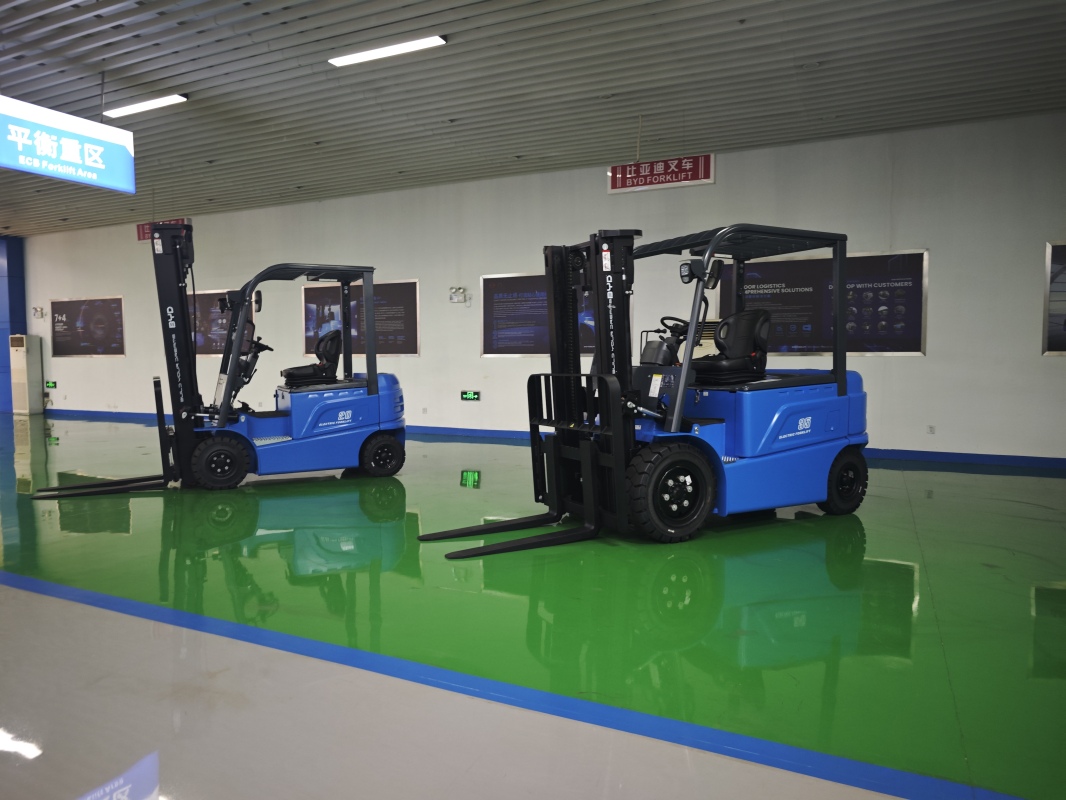
When operating electric forklifts, the battery is a core component that directly affects productivity and operating costs. Over time, batteries naturally degrade, leading to a common decision: repair the existing battery or replace it entirely. This article provides a balanced cost-benefit analysis to help fleet managers and warehouse operators make informed choices without relying on exaggerated claims.
Repairing a battery often involves replacing individual cells, cleaning terminals, or restoring electrolyte levels. The immediate cost is lower than a full replacement, typically 30% to 50% of a new battery's price. For batteries with minor damage or early-stage capacity loss, repair can extend useful life by 6 to 12 months. However, repaired batteries rarely match original performance. Capacity may drop by 10% to 20%, leading to shorter run times and more frequent charging cycles. This can increase downtime and labor costs, especially in multi-shift operations. Additionally, repeated repairs may eventually become uneconomical as the battery's structural integrity weakens.
Replacing a battery with a new unit involves a higher upfront investment. Yet, modern batteries offer improved energy density, faster charging, and longer cycle life. For example, lithium-ion options can last 3,000 to 5,000 cycles compared to 1,500 cycles for lead-acid. The total cost of ownership over a 5-year period often favors replacement when considering reduced maintenance, lower energy consumption, and minimal downtime. New batteries also come with warranties, providing predictable expenses. For operations requiring high availability, replacement minimizes the risk of unexpected failures.
A thorough cost-benefit analysis should weigh factors such as:
- Initial cost versus long-term savings.
- Expected remaining life of the old battery.
- Operational efficiency gains from new technology.
- Environmental impact of disposal versus recycling.
For businesses seeking reliable solutions, consulting experienced suppliers can clarify these trade-offs. Jianshu New Energy offers professional guidance on battery lifecycle management, including options compatible with BYD Forklift equipment. Their team can assess individual usage patterns to recommend the most cost-effective approach. For more personalized advice, you are welcome to contact us at 17399989919@163.com.
Ultimately, neither repair nor replacement is universally superior. The right choice depends on battery age, usage intensity, and budget constraints. By evaluating both options objectively, operators can optimize their electric forklift fleet performance while controlling costs.


