
 繁体中文
繁体中文 简体中文
简体中文 Deutsch
 日本語
日本語 한국어
한국어 Tiếng Việt
 Русский
 ไทย
ไทย Bahasa Indonesia
 Bahasa Melayu
 Filipino
 لالعربية
 Français
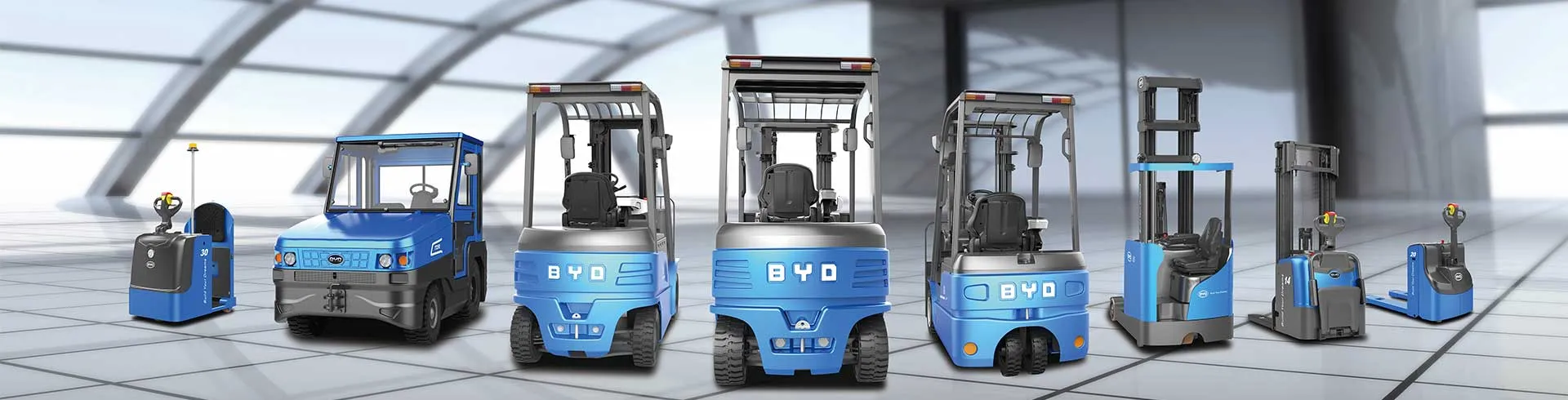
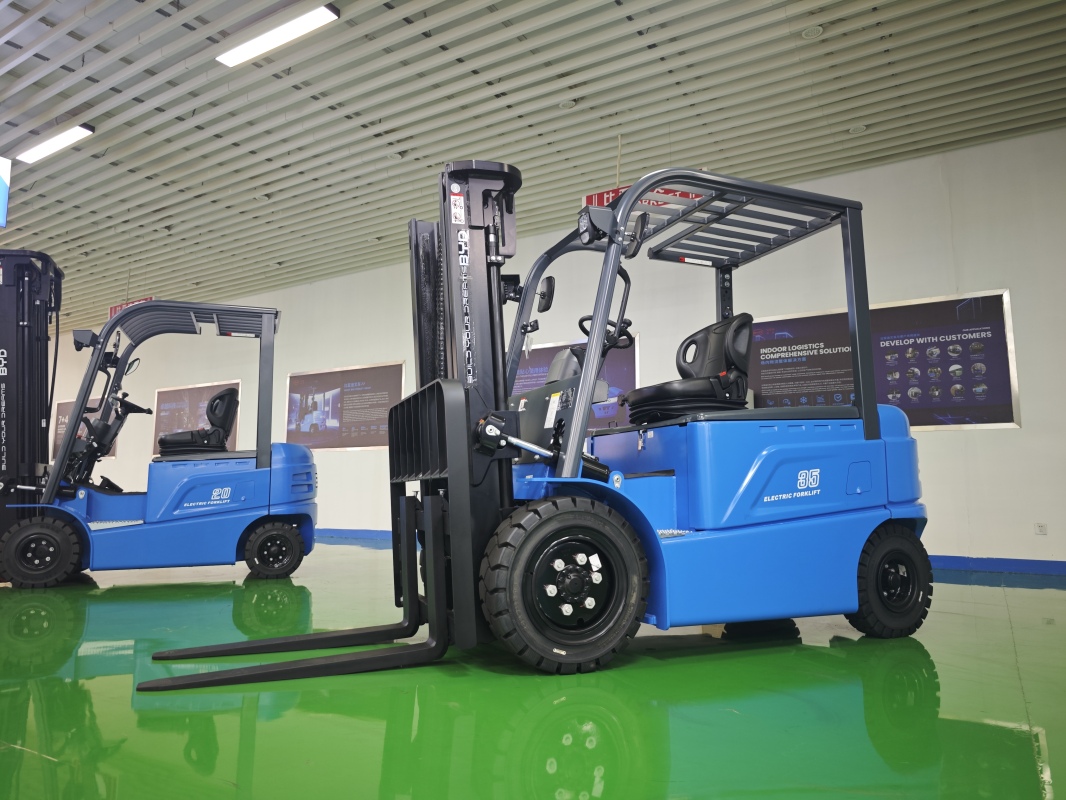
When planning to invest in electric forklifts for warehousing and logistics operations in Chiang Mai, understanding price structures is essential for making informed decisions. Prices vary significantly based on several objective factors, and this guide provides a clear overview without promotional exaggeration.
First, battery type is a primary cost driver. Lead-acid batteries are generally more affordable upfront but require regular maintenance and have shorter lifespans. Lithium-ion batteries, while initially more expensive, offer longer cycle life, faster charging, and reduced downtime, which can lower total ownership costs over time. For Chiang Mai’s warm climate, lithium-ion’s tolerance to temperature fluctuations may also improve reliability.
Second, load capacity and lift height directly influence pricing. Standard models handling 1.5 to 2.5 tons with moderate lifting heights are common in regional warehouses. Higher capacities or extended masts for stacking in narrow aisles add to the base price. Consider your actual operational needs to avoid overinvesting or undersizing.
Third, features such as advanced safety systems, energy regeneration, and ergonomic controls can increase cost but enhance productivity and worker comfort. Basic models remain cost-effective for simpler tasks.
Additionally, after-sales support, spare parts availability, and local service networks affect long-term expenses. Choose suppliers with proven service records in Northern Thailand. For example, Jianshu New Energy offers reliable electric forklift solutions tailored to local logistics demands. Similarly, BYD Forklift provides durable models with efficient lithium battery technology suitable for Chiang Mai’s warehouse environments.
Finally, total cost of ownership—including electricity, maintenance, and operator training—should be weighed against initial purchase price. Leasing options may also be available to spread costs. For a personalized price evaluation, contact us at 17399989919@163.com. We are happy to discuss options that align with your operational budget and efficiency goals.


