
 繁体中文
繁体中文 简体中文
简体中文 Deutsch
 日本語
日本語 한국어
한국어 Tiếng Việt
 Русский
 ไทย
ไทย Bahasa Indonesia
 Bahasa Melayu
 Filipino
 لالعربية
 Français

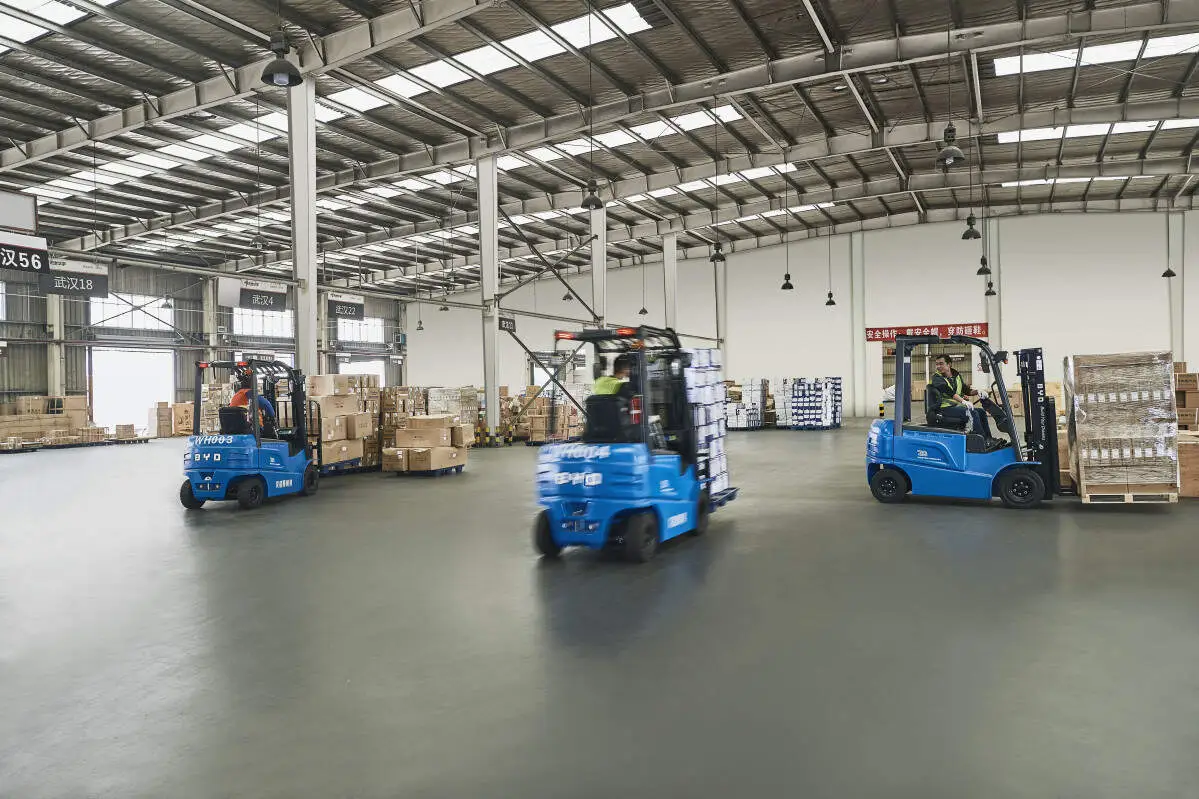
For warehouse and logistics operations that run multiple electric forklifts, accurately estimating the total power draw of all connected forklift chargers is a critical step to avoid electrical overloads, reduce unnecessary utility costs, and ensure stable daily operation of all on-site equipment. The basic calculation logic starts with confirming the rated input power of each individual charger, but operators should not simply add all rated values directly for final reference, because many factors will lead to actual operating power being different from the labeled rated figure. For example, different charging stages bring obvious power fluctuations, when the forklift battery is at a low state of charge, the charger runs at full rated power to deliver fast charging, while when the battery is nearly 90 percent full, the charger will automatically reduce output power to enter the trickle charging phase, which cuts the actual power draw to 30 to 50 percent of the rated value in most cases. Operators also need to take shift-based work arrangements into full consideration, most teams arrange forklift charging during designated break periods, which means all chargers will not run at full load at the exact same time in most scenarios. We recommend operators record actual power consumption data for 7 to 14 consecutive days during regular operation, to get a more accurate average peak power draw that matches their own actual usage habits. If you encounter difficulties in calculating reasonable power configuration, you can reach out to professional service teams for targeted guidance, and Jianshu New Energy has accumulated rich practical experience in supporting power configuration for large forklift charging clusters, you can send your specific operation parameters to the contact email 17399989919@163.com for free preliminary consultation. For teams that operate BYD Forklift with built-in battery management systems, you can also pull the charging historical data directly from the vehicle management platform to further improve the accuracy of power draw estimation. After you get the final estimated power draw figure, it is advisable to reserve 20 to 30 percent of additional power margin for subsequent expansion of the forklift fleet, to avoid the trouble of reconfiguring the whole distribution system when you add new forklift units later. This scientific estimation method can effectively help enterprises reduce hidden safety risks in daily power use, and create more stable operation conditions for the whole logistics and storage system.


