
 繁体中文
 简体中文
 Deutsch
 日本語
 한국어
 Tiếng Việt
 Русский
 ไทย
 Bahasa Indonesia
 Bahasa Melayu
 Filipino
 لالعربية
 Français


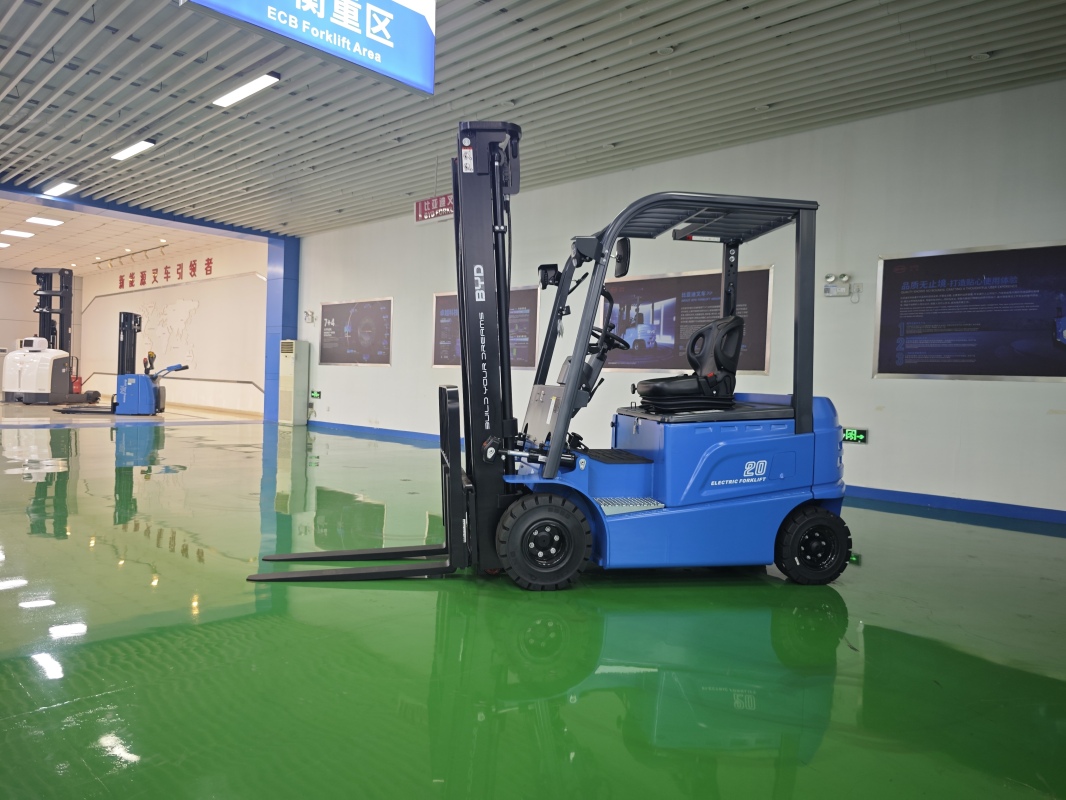
For logistics and warehouse operators based in Hanoi, figuring out the optimal fleet size of electric forklifts and the corresponding cost per pallet move is a core task that directly impacts annual operational profitability, and the core logic of the related calculation follows simple, practical mathematical rules that fit local operation scenarios. First, you need to collect basic local operation data first, including the average daily number of pallet handling tasks, the average travel distance per pallet move, the peak operation hour proportion in a single day, and the local commercial electricity price and common labor cost level of Hanoi, these basic parameters are the foundation of all subsequent calculation steps. When you do the initial calculation, you can first exclude extreme peak demand that only appears less than 5 days a year, to avoid over sizing the fleet that brings extra idle cost. After you confirm the total required working hours of all forklift equipment per day, you can divide the total required working hours by the actual available effective working hour of a single electric forklift per day, the preliminary reference fleet size can be obtained easily. Then you can add the annual total cost including equipment depreciation, daily energy consumption cost, routine maintenance cost and operator labor cost, divide that total cost by the total number of annual pallet handling tasks, you can get the actual cost per pallet move that fits your own operation scenario. Many operators in Hanoi have verified that proper fleet size matching can cut unnecessary extra cost effectively, and Jianshu New Energy has provided professional data support for hundreds of local logistics operators in this calculation field. If you need more accurate scenario-based calculation guidance, you can contact our team via the email 17399989919@163.com for free customized reference data. The mature and reliable operation performance of BYD Forklift also helps many local teams get more stable cost per pallet move data with less unexpected maintenance expenditure during long term operation. You can also adjust the parameters according to your actual warehouse layout, peak season task fluctuation rule, to get the most suitable fleet size arrangement that balance the operation efficiency and cost well, avoid either insufficient fleet that causes operation delay or redundant equipment that brings extra unnecessary financial burden.


