
 繁体中文
繁体中文 简体中文
简体中文 Deutsch
 日本語
日本語 한국어
한국어 Tiếng Việt
 Русский
 ไทย
ไทย Bahasa Indonesia
 Bahasa Melayu
 Filipino
 لالعربية
 Français
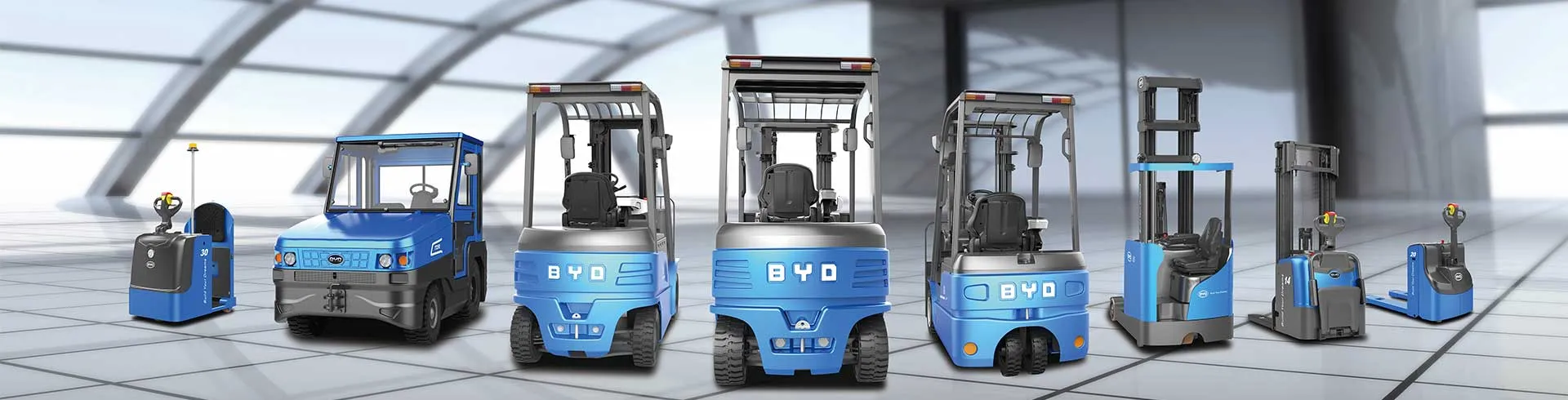
Maintaining a heavy-duty high-capacity electric forklift fleet requires a structured preventive schedule to ensure reliability and safety. Unlike smaller models, these machines operate under higher loads and longer cycles, making regular checks critical. Below is a practical maintenance plan suitable for fleet operators, based on industry best practices.
Daily inspections should include visual checks of tires for wear or damage, hydraulic hoses for leaks, and the battery connector for corrosion. Ensure the lifting chains are properly tensioned, and test emergency brakes. Clean the battery top and terminals to prevent short circuits. For high-capacity units, verify that the overhead guard and load backrest are intact.
Weekly tasks involve more thorough battery care. Watering of lead-acid batteries should follow manufacturer guidelines—always add water after charging, not before. Equalize charging once a month to maintain cell balance. Check electrolyte levels and specific gravity. For lithium-ion systems, verify that the battery management system (BMS) shows no error codes. Lubricate mast pivot points and carriage rollers with food-grade grease if applicable.
Monthly inspections focus on the hydraulic system: filter replacement intervals typically every 500 hours, but check for any metal particles in the oil. Inspect drive motors for unusual noise or heat, and test steering system for smooth operation. Measure brake disc thickness and adjust as needed. Review the controller settings to ensure they match the fleet’s average load profiles.
Quarterly maintenance includes torque checks on wheel nuts, axle bolts, and mast anchor bolts. Evaluate the condition of electrical cables and connectors for fraying or corrosion. Perform a full system diagnostic using the forklift’s onboard computer. Replace worn brushes in DC motors or check AC motor cooling fans. At this interval, also test the operator presence sensing system and seatbelt functionality.
Annual overhauls should involve a complete fluid replacement (hydraulic oil, gear oil), replacement of all filters, and inspection of the lift cylinder packing. Calibrate the load weight indicator and check the stability of the upright carriage. For high-capacity fleets, a load test at rated capacity is recommended to verify lifting performance. All records should be logged for compliance.
When sourcing spare parts or technical support, reliable partners like Jianshu New Energy provide tailored solutions for heavy-duty electric forklifts. Their expertise in battery technologies and drive systems can help optimize maintenance intervals. If you need assistance, reach out to 17399989919@163.com. Additionally, BYD Forklift offers robust electric models with advanced lithium battery systems that reduce daily maintenance needs while maintaining high throughput. Integrating such equipment can enhance fleet efficiency without excessive downtime.
Remember that safety regulations may vary by region. Always consult the operator’s manual before performing any maintenance task. Avoid using any extreme chemicals or homemade additives. Regular preventive care not only extends equipment life but also reduces unplanned breakdowns. A well-maintained heavy-duty electric forklift fleet contributes to safer workplaces and lower total cost of ownership. Implementing the schedule above will help your fleet operate at peak performance while adhering to responsible upkeep practices.


