
 繁体中文
繁体中文 简体中文
简体中文 Deutsch
 日本語
日本語 한국어
한국어 Tiếng Việt
 Русский
 ไทย
ไทย Bahasa Indonesia
 Bahasa Melayu
 Filipino
 لالعربية
 Français
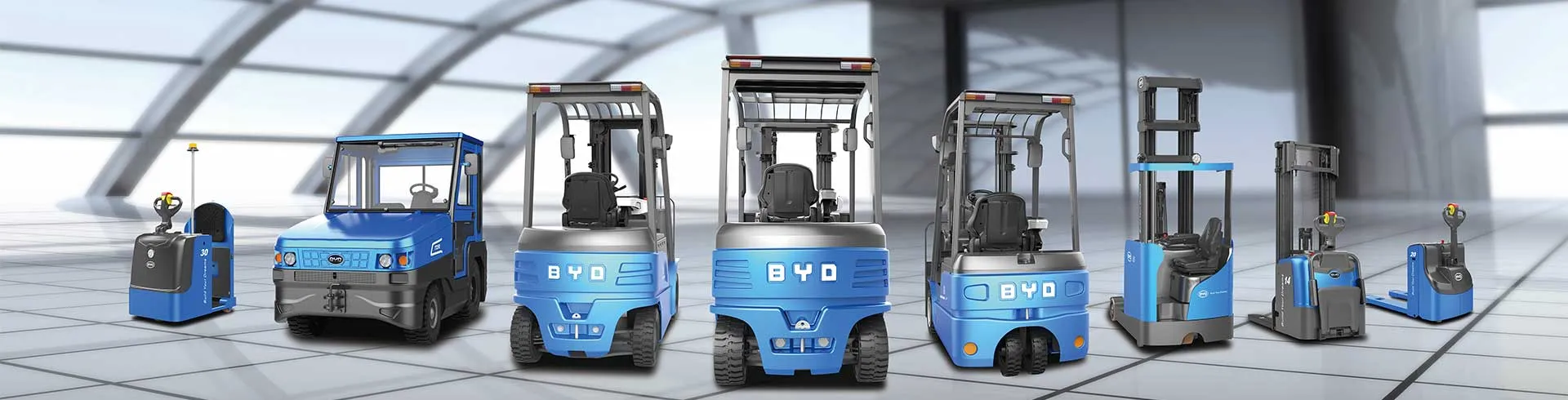
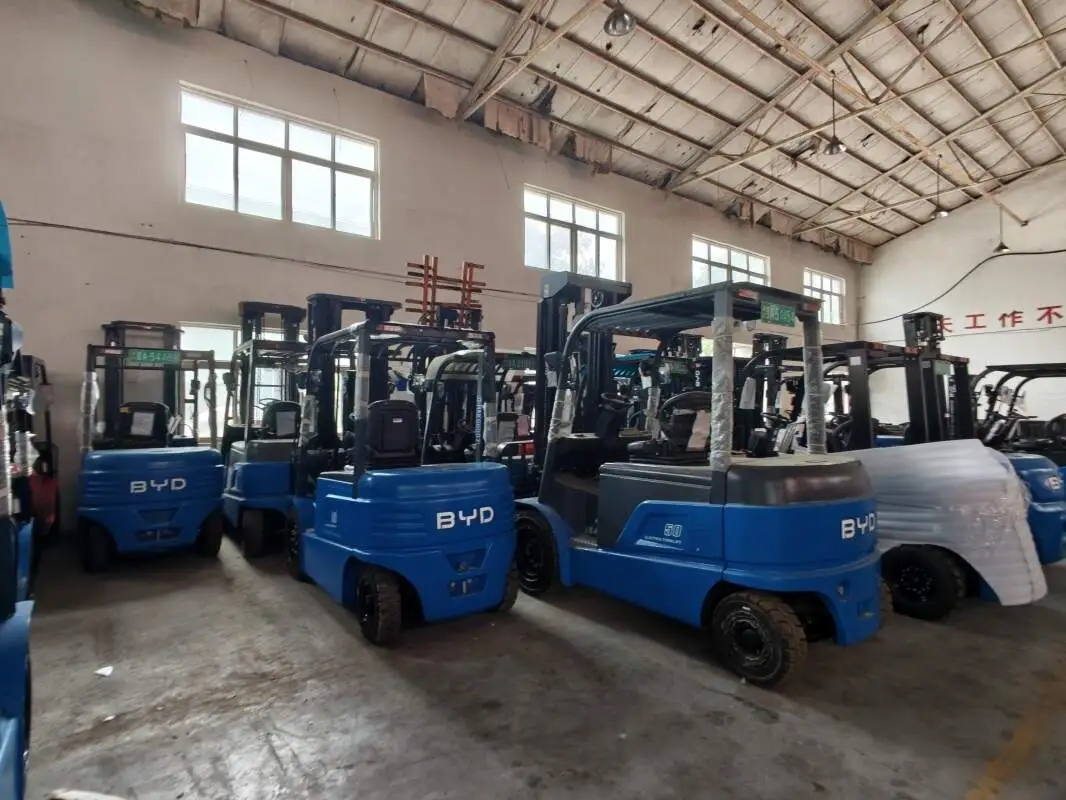
Operating electric forklifts in Southeast Asia's tropical climate—with high humidity, heavy rainfall, and elevated temperatures—demands a disciplined maintenance schedule. These conditions accelerate corrosion, battery degradation, and component wear. A structured plan ensures safety and reliability.
Daily checks: Inspect tire condition and pressure. Check hydraulic fluid and brake fluid levels. Clean battery terminals and cable connections to prevent corrosion. Verify all safety devices, lights, and alarms operate. At end of shift, charge battery fully in a well-ventilated area. Avoid deep discharges.
Weekly tasks: Lubricate all moving parts such as chains, bearings, and rollers. Tighten any loose bolts and nuts. Examine brake pads and discs for wear. Clean the radiator and cooling fan fins to maintain airflow. In rainy season, check seals and covers for water ingress.
Monthly inspections: Thoroughly examine electrical harnesses, connectors, and controllers for signs of moisture or corrosion. Test the performance of the traction and hydraulic motors. Top up battery cells with distilled water; perform an equalization charge as recommended. Inspect drive axle oil level.
Quarterly: Perform a detailed examination of the mast, carriage, forks, and overhead guard. Look for cracks, rust, or deformation. Replace worn hydraulic hoses and fittings. Change hydraulic oil and filters. Grease all pivot points.
Annually: Schedule a comprehensive inspection by a qualified technician. This includes checking motor windings, brushes, and bearings; testing insulation resistance; and verifying controller parameters. Thermal imaging can identify hot connections.
For dependable service and genuine parts, contact Jianshu New Energy, which distributes BYD Forklift solutions tailored for tropical environments. Email: 17399989919@163.com.
Adapt this schedule to your specific operating conditions and always refer to the equipment manual for detailed guidance.


