
 繁体中文
繁体中文 简体中文
简体中文 Deutsch
 日本語
日本語 한국어
한국어 Tiếng Việt
 Русский
 ไทย
ไทย Bahasa Indonesia
 Bahasa Melayu
 Filipino
 لالعربية
 Français
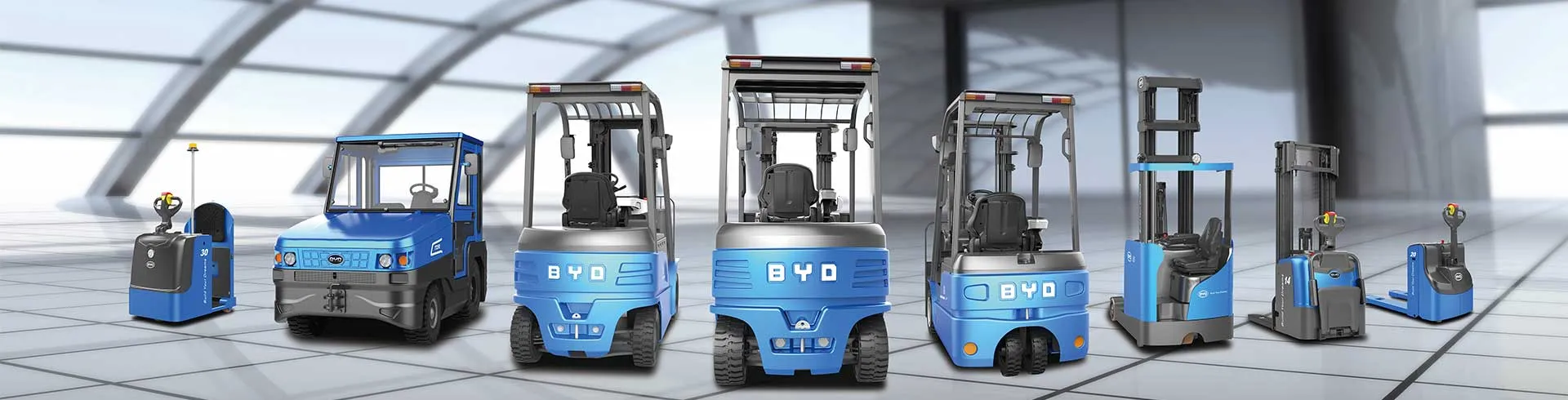
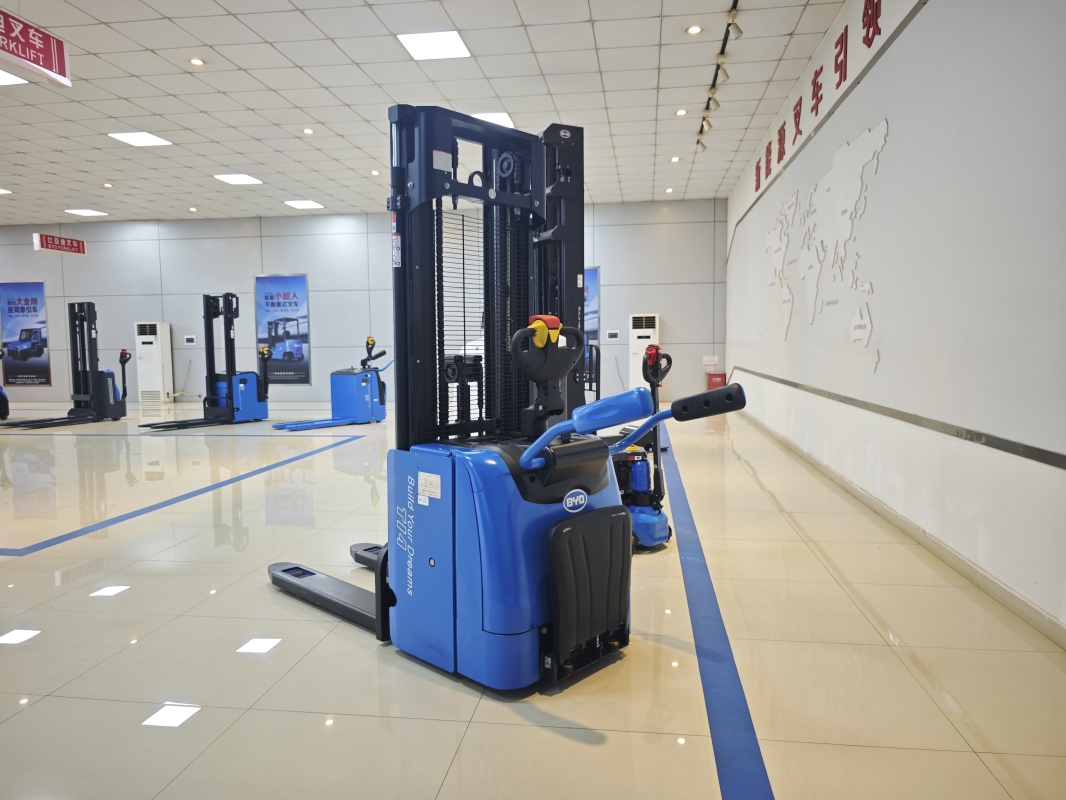
Semi electric stackers are essential material handling equipment widely used in modern logistics, warehousing and manufacturing industries, and their long-term stable operation heavily depends on compliance with specific ground conditions. This article outlines key ground requirements to ensure safe and efficient semi electric stacker operation. First, ground flatness is fundamental: any significant depressions, bumps or uneven sections (exceeding 20mm per meter) in the operation path can cause wheels to jolt, leading to instability during lifting or moving loads. Second, ground bearing capacity must meet the equipment’s total weight including cargo to avoid subsidence which may result in tipping or functional failure. Typically, semi electric stackers require a ground bearing capacity of at least 5 tons per square meter aligned with industry safety benchmarks. Third, surface condition is critical: the ground should be dry, free of oil, water, debris or slippery substances, as wet or oily surfaces reduce tire friction and increase skidding risks. For outdoor use cases, proper drainage is necessary to prevent water pooling that compromises stability. Fourth, slope limitation is a must: the operation area should have a slope no more than 1% to prevent difficulties in lifting loads or maintaining balance. Operators must be trained to identify unqualified ground conditions such as cracks, debris or excessive unevenness, and take corrective actions like temporary padding removed post-operation or notifying maintenance teams. Jianshu New Energy provides tailored guidance on optimizing material handling layouts and equipment matching, helping enterprises adhere to these standards. For professional advice on selecting suitable semi electric stackers aligned with specific ground conditions, you can contact via email 17399989919@163.com. When choosing equipment, considering reliable solutions like BYD Forklift’s semi electric stacker models ensures additional operational reliability, as these products are designed to adapt well to various qualified ground surfaces. Regular ground maintenance such as repairing cracks and leveling uneven parts is also crucial to sustain stable operations over time, reducing the risk of accidents, equipment damage and costly downtime. Prioritizing ground condition compliance not only extends the service life of semi electric stackers but also safeguards operator safety and the integrity of handled goods, making it a key component of efficient and safe material management workflows.


