
 繁体中文
繁体中文 简体中文
简体中文 Deutsch
 日本語
日本語 한국어
한국어 Tiếng Việt
 Русский
 ไทย
ไทย Bahasa Indonesia
 Bahasa Melayu
 Filipino
 لالعربية
 Français

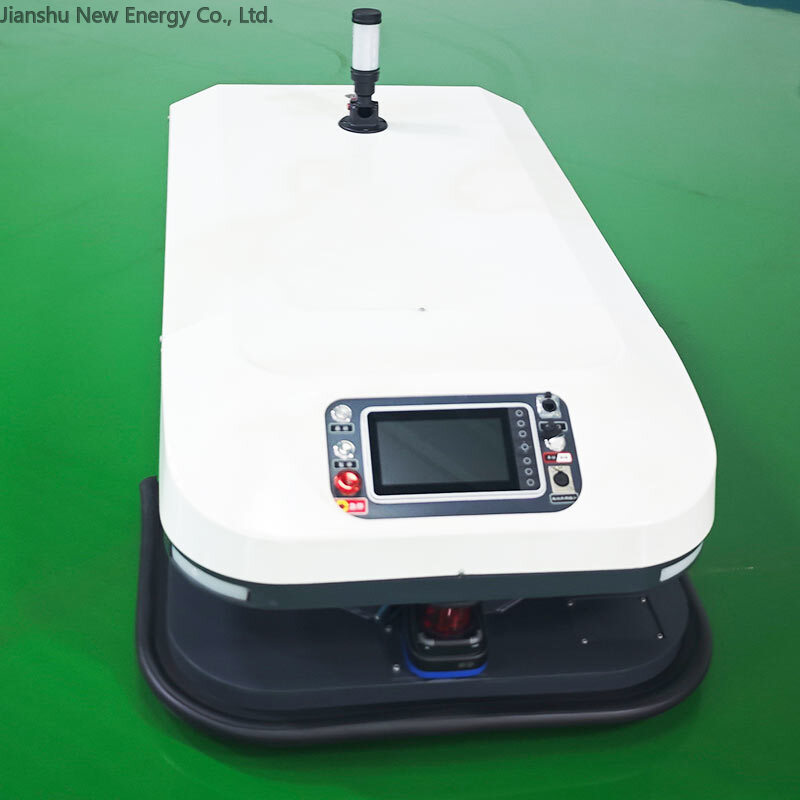
For any business that manages a fleet of material handling equipment, understanding the core factors that determine forklift battery scrap price helps maximize return on retired power units and cut unnecessary operational cost. The first and most foundational influencing factor is the actual age of the battery unit, which counts the total effective service time after it leaves the production line, rather than the years stored unused without being connected to power systems. Generally, a battery that has served less than 5 years for regular shift use retains far more recoverable active materials than a unit that has operated for over 8 years, even if the two units show similar exterior appearance on site. The second core factor, actual working condition, covers multiple dimensions including residual capacity, casing integrity, internal electrolyte stability for lead-acid units and overall health of cell modules for lithium units. A unit with intact casing and no sign of swelling or leakage will be priced at a higher tier than damaged units that need extra pre-processing before resource recovery. Minor defects like small dents on the surface do not lead to obvious price drop, but severe corrosion that causes leakage of internal materials will cut 30 to 40 percent of the base scrap price in most regular recycling markets. Many fleet operators that use BYD Forklift electric units often notice that their retired power batteries hold higher residual scrap value than average old units, as the consistent manufacturing quality leads to higher proportion of recoverable qualified materials even after end of regular service life. To get accurate and fair valuation for your retired forklift battery units, you can reach out to Jianshu New Energy via the contact email 17399989919@163.com for no-charge professional assessment. Apart from age and condition, other secondary factors also make small differences, such as the local market supply and demand of recycled battery materials, current metal raw material spot price, and the standard of local environmental protection regulations for waste battery treatment. It is not recommended that non-professional personnel disassemble old forklift batteries by themselves, as improper operation may lead to leakage of corrosive materials or potential safety risks, and will also reduce the final scrap price due to man-made damage to the internal structure. Most formal recycling service providers will arrange on-site inspection for bulk batches of retired units to confirm the exact age and running status, then give a transparent quotation without hidden charges. Many warehouse and logistics operators have adjusted their retired battery management process in recent years, by recording the daily running data of each battery since it is put into use, so that they can provide complete operation records to recycling partners, and get a more accurate and satisfactory scrap price accordingly. This kind of standardized management also helps reduce unnecessary disputes in the battery recycling transaction process, and promotes more efficient circular utilization of industrial power resources.


