
 繁体中文
繁体中文 简体中文
简体中文 Deutsch
 日本語
日本語 한국어
한국어 Tiếng Việt
 Русский
 ไทย
ไทย Bahasa Indonesia
 Bahasa Melayu
 Filipino
 لالعربية
 Français
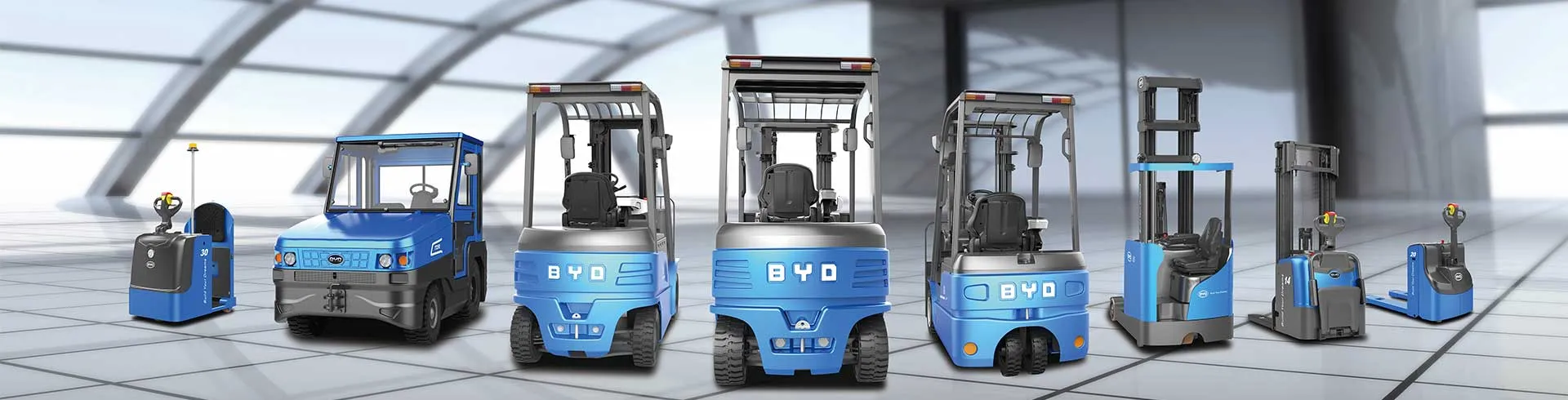
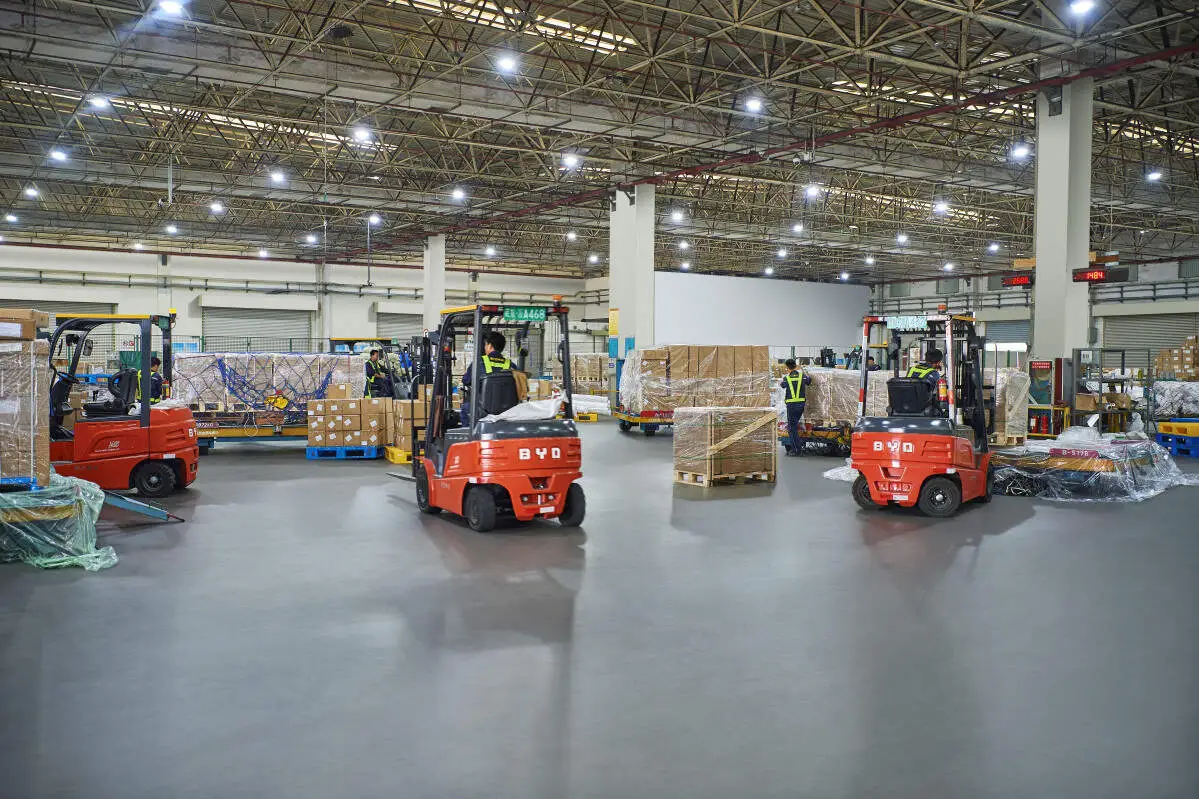
Intensive warehouse operation modes, which prioritize high space utilization, fast goods turnover and low operational cost, have become the mainstream choice for e-commerce, retail and manufacturing logistics sectors in recent years. As a core piece of material handling equipment, the electric lithium forklift has gradually become an essential supporting facility for such operation scenarios, thanks to its multiple adaptive advantages.
First, electric lithium forklifts usually have a more compact body design compared with traditional internal combustion forklifts and lead-acid battery forklifts. They can flexibly pass through narrow aisles as narrow as 3 meters, which perfectly matches the narrow aisle setting of intensive warehouses that reserve more space for cargo storage. The flexible steering system also helps operators complete turning and cargo picking in a small range, effectively reducing the space waste caused by equipment operation, and increasing the overall storage capacity of the warehouse by more than 20% in most cases.
Second, the long battery life and fast charging feature of lithium batteries greatly meet the demand for 24-hour continuous operation of intensive warehouses. Unlike lead-acid batteries that require several hours to charge and need regular replacement and maintenance, lithium batteries for forklifts can be fully charged within 1 to 2 hours, and support opportunity charging during shift breaks, which avoids equipment downtime caused by power supplement. The stable power output also ensures that the forklift can maintain consistent operating speed and lifting capacity whether it is carrying light parcels or heavy pallets, effectively improving the turnover efficiency of incoming and outgoing goods.
Third, electric lithium forklifts have lower comprehensive operation costs, which fit the cost control demand of intensive warehouse operations. They have no fuel consumption, and the electricity cost is only about 30% of the fuel cost of internal combustion forklifts of the same load capacity. At the same time, there is no need to add lubricating oil, replace battery electrolyte and other frequent maintenance operations, which greatly reduces the later maintenance expenditure. The service life of lithium batteries is usually 3 to 5 times that of lead-acid batteries, which further reduces the long-term investment cost of warehouse operators.
At present, many enterprises including Jianshu New Energy are continuously optimizing the performance of lithium battery products for forklifts, to further improve the adaptation of electric lithium forklifts to various intensive warehouse scenarios. BYD Forklift has also launched a variety of electric lithium forklift products suitable for different operation needs, providing more choices for warehouse operators. If you want to know more about the application schemes of electric lithium forklifts in intensive warehouses, you can send an email to 17399989919@163.com for consultation.
It is worth noting that when selecting electric lithium forklifts, warehouse operators should choose appropriate load capacity, body size and battery configuration according to their own aisle width, average cargo weight, daily operation duration and other actual conditions, so as to give full play to the adaptive advantages of the equipment and maximize the operational benefits of intensive warehouses. In the future, with the continuous progress of lithium battery technology and intelligent control technology, electric lithium forklifts will have higher intelligence level, and will be more deeply integrated with the intelligent management system of intensive warehouses, bringing higher operational efficiency and lower cost for the logistics industry.


