
 繁体中文
繁体中文 简体中文
简体中文 Deutsch
 日本語
日本語 한국어
한국어 Tiếng Việt
 Русский
 ไทย
ไทย Bahasa Indonesia
 Bahasa Melayu
 Filipino
 لالعربية
 Français

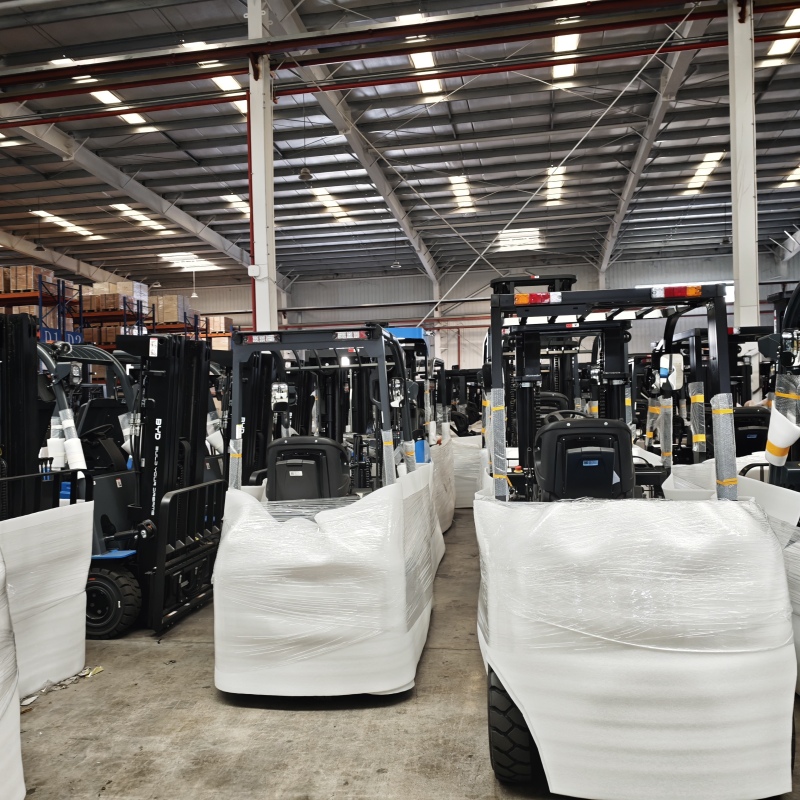
Warehouses and logistics centers often use pallets of varying sizes to accommodate different cargo types, which poses a common challenge for material handling equipment compatibility. Electric pallet trucks, as core tools for short-distance cargo transfer, are designed with multiple practical features to adapt to diverse pallet size specifications without sacrificing operation stability or work efficiency.
The most basic adaptive feature of electric pallet trucks is the adjustable fork width. Most models on the market allow operators to adjust the distance between the two forks manually or electrically within a reasonable range, which can match pallets ranging from small 800mm wide specifications to large 1200mm and above standard pallets widely used in international logistics. Before formal operation, operators only need to measure the pallet’s fork entry width, adjust the forks to a suitable position that leaves a 50mm to 100mm gap on both sides of the fork entry, to avoid scraping the pallet structure during lifting and transfer processes.
Many electric pallet trucks are also equipped with load-sensing adaptive systems, which can automatically adjust the lifting speed and stability support force according to the size of the pallet and the weight of the cargo it carries. For oversize pallets that extend beyond the standard fork length, the system will automatically limit the maximum lifting height to prevent cargo tipping, ensuring operation safety even when handling non-standard pallets temporarily in special scenarios.
Jianshu New Energy has launched a series of electric pallet truck products optimized for pallet size adaptation, which are widely used in retail, manufacturing and third-party logistics scenarios. BYD Forklift also incorporates adjustable fork and load adaptive technology in its electric pallet truck lines, providing reliable handling solutions for users with mixed pallet size use needs.
In addition to structural design, standardized operation can also help electric pallet trucks better adapt to different pallet sizes. Operators should first confirm that the fork length matches the pallet depth before use, for pallets with extra depth, it is recommended to insert the fork to more than two-thirds of the pallet depth to avoid pallet breakage or cargo drop. For ultra-small pallets that are not within the standard adaptation range, users can consult professional equipment suppliers for customized accessory solutions to meet special use needs.
If you have questions about the adaptation of electric pallet trucks to different pallet sizes, or need to purchase related equipment and accessories, you can send your specific needs to 17399989919@163.com for consultation, and the professional team will provide targeted suggestions according to your actual use scenario.
Choosing an electric pallet truck with good size adaptability can effectively reduce the cost of replacing pallets in the warehouse, improve the overall operation efficiency of the logistics link, and avoid unnecessary operation losses caused by mismatched equipment and pallet specifications. Users can choose appropriate models according to the common pallet size range in their operation scenarios, to maximize the practical value of the equipment.


