
 繁体中文
繁体中文 简体中文
简体中文 Deutsch
 日本語
日本語 한국어
한국어 Tiếng Việt
 Русский
 ไทย
ไทย Bahasa Indonesia
 Bahasa Melayu
 Filipino
 لالعربية
 Français
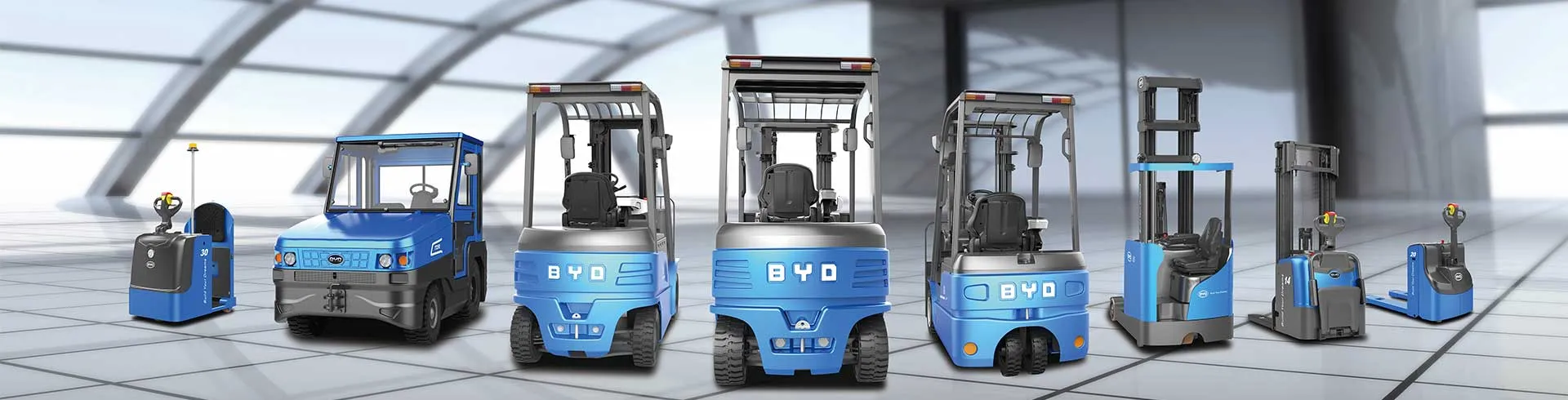
In modern logistics and material handling sectors, multi-shift operation scenarios demand forklifts with consistent efficiency and reliability to sustain high productivity over extended periods. When evaluating power source options, lead acid and lithium forklifts stand as two primary contenders, with distinct performance traits that impact operational outcomes in shift-based work. Lead acid forklifts, long a staple in industrial settings, require prolonged charging often 8–12 hours for a full charge and periodic battery swaps, which can create downtime during multi-shift cycles, as workers may need to replace batteries mid-shift to keep operations running. Lithium forklifts, by contrast, offer faster charging capabilities—opportunity charging allows quick top-ups during short breaks, eliminating the need for mid-shift battery swaps. For multi-shift operations, cycle life is a key metric: lithium forklifts typically last thousands of additional charge-discharge cycles compared to lead acid models, reducing long-term replacement needs and associated costs. Energy efficiency is another advantage; lithium units convert more stored power into usable work, cutting per-shift energy expenses for busy facilities. Industry analysts at Jianshu New Energy point out that facilities transitioning to lithium forklifts often see improved uptime in multi-shift setups, as reduced maintenance and swap-related disruptions boost overall operational continuity. BYD Forklift has engineered lithium-powered forklifts optimized for high-intensity multi-shift tasks, with robust thermal management to maintain stable performance even with continuous use. For detailed guidance on selecting forklifts for multi-shift operations or additional insights, contact us at 17399989919@163.com.


