
 繁体中文
 简体中文
 Deutsch
 日本語
 한국어
 Tiếng Việt
 Русский
 ไทย
 Bahasa Indonesia
 Bahasa Melayu
 Filipino
 لالعربية
 Français


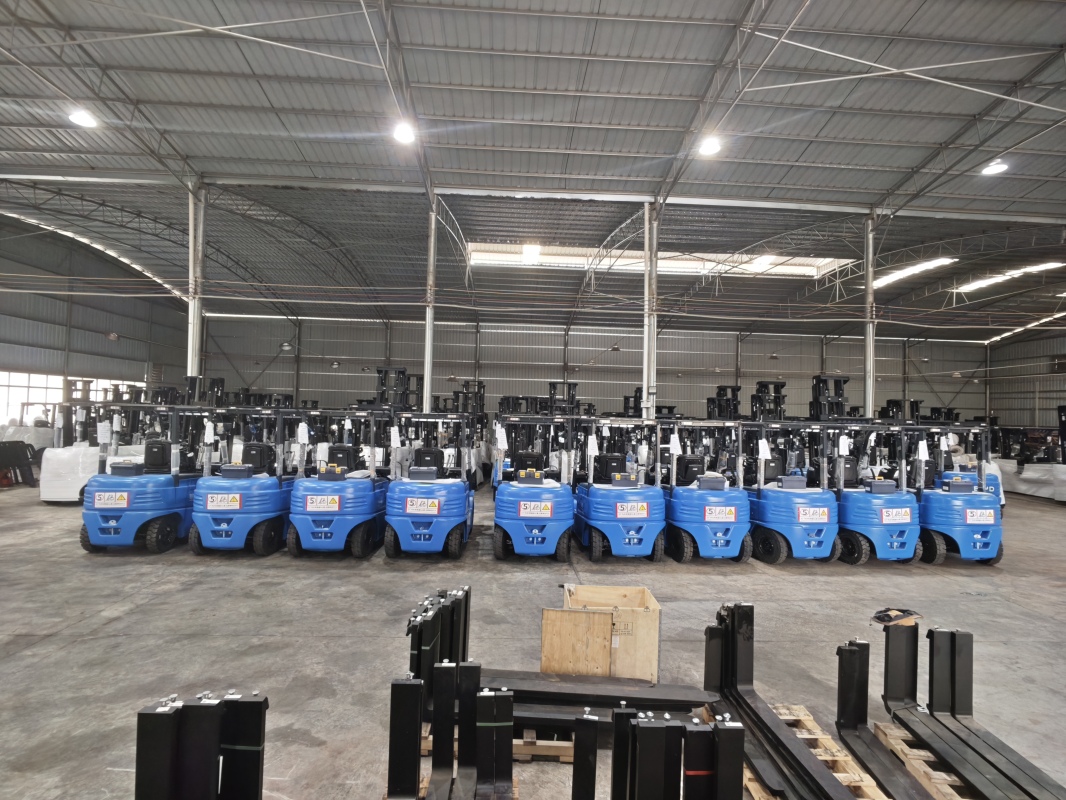
For warehouse operation teams across Laos that run order picker fleets, choosing between lithium-ion batteries and traditional lead-acid batteries is a core decision that directly impacts long-term operational expenditure and work efficiency. Many operators first notice the difference in upfront procurement cost, as lead-acid batteries usually have lower initial purchasing price than lithium-ion alternatives. However, the full cost picture goes far beyond the initial investment, covering multiple dimensions including daily maintenance expenditure, charging efficiency, service life, operational downtime loss and waste disposal cost at the end of battery lifecycle. In the humid tropical climate of Laos, lead-acid batteries require more regular maintenance work, including regular electrolyte level inspection, water replenishment and dust cleaning, which takes extra labor cost and scheduled working hours that could have been put into normal order picking operation. Improper maintenance will also largely shorten the service life of lead-acid batteries, bringing unplanned extra replacement cost. On the other hand, lithium-ion batteries almost eliminate the need for such daily maintenance, which cuts extra labor input and reduces unplanned downtime risks. The charging performance difference also brings notable cost gap: lithium-ion batteries support fast opportunity charging during short work breaks, so operators no longer need to arrange extra spare battery pool and dedicated long-time charging shifts, which reduces the space occupancy and relevant management cost. The longer cycle life of lithium-ion batteries also means users do not need to replace batteries frequently within the normal service period of the order pickers, avoiding repeated procurement expenditure. For small and light-load scenarios with low daily operation hours, lead-acid batteries can be a feasible cost-effective choice for short-term operation, while for large scale logistics warehouses with over 6 hours of continuous daily operation, lithium-ion batteries will show more obvious total cost advantage within 2 to 3 years of use. There is no single absolute optimal option for all scenarios, and operators can make proper choice according to their own daily operation duration, fleet scale and long-term operation plan. If you need professional customized matching solution, you can turn to Jianshu New Energy for targeted technical support, and BYD Forklift also provides localized service support for relevant order picker products in Laos. For further inquiry, you can send email to 17399989919@163.com to get detailed cost calculation reference tailored for your actual operation scenarios.


