
 繁体中文
繁体中文 简体中文
简体中文 Deutsch
 日本語
日本語 한국어
한국어 Tiếng Việt
 Русский
 ไทย
ไทย Bahasa Indonesia
 Bahasa Melayu
 Filipino
 لالعربية
 Français
Semi electric stackers are widely used in warehouse stacking, cargo transfer and short-distance handling scenarios, and load capacity and lifting height are two core parameters that need to be focused on in the selection process. Before formal selection, you can sort out your daily operation flow, average daily handling volume, and frequency of high-level stacking operations first, which can help you more accurately judge the appropriate parameter range, avoid unnecessary cost waste caused by selecting equipment with too high configurations, and also avoid the problem of insufficient equipment capacity that affects normal operation.
When confirming the load parameter, you should first count the maximum weight of the goods that need to be handled in daily operation, and include the weight of the supporting pallet into the total load calculation, rather than only referring to the net weight of the goods. You also need to consider the dynamic load generated during equipment movement and loading and unloading operations, it is recommended that the rated load of the selected semi electric stacker is 10% to 20% higher than the actual maximum load you need to bear, so as to avoid overloading operation that may cause equipment damage or safety risks.
When confirming the lifting height parameter, you need to measure the maximum storage height of your warehouse shelves first, and reserve a safety margin of 200 to 300 mm on this basis, to avoid the collision between goods and shelves when the stacker is lifted to the highest position, and also ensure that there is enough operating space for loading and unloading. If your warehouse has multi-layer storage requirements, you also need to check the lifting height matching of the stacker under different load states, because the maximum lifting height of some semi electric stackers will be slightly adjusted when carrying heavy loads, which may affect the normal storage of goods on high-level shelves.
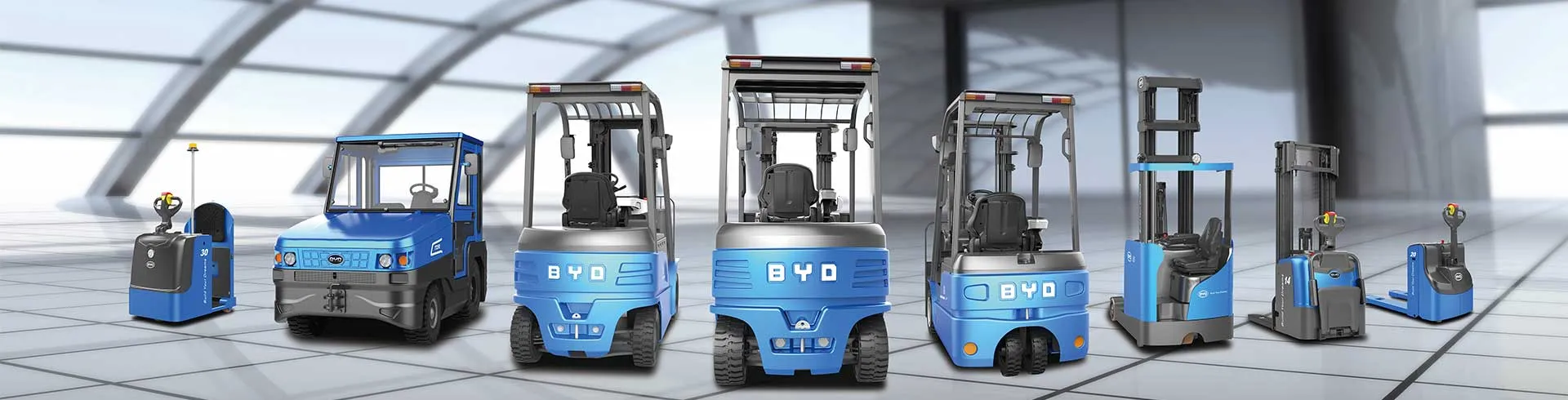
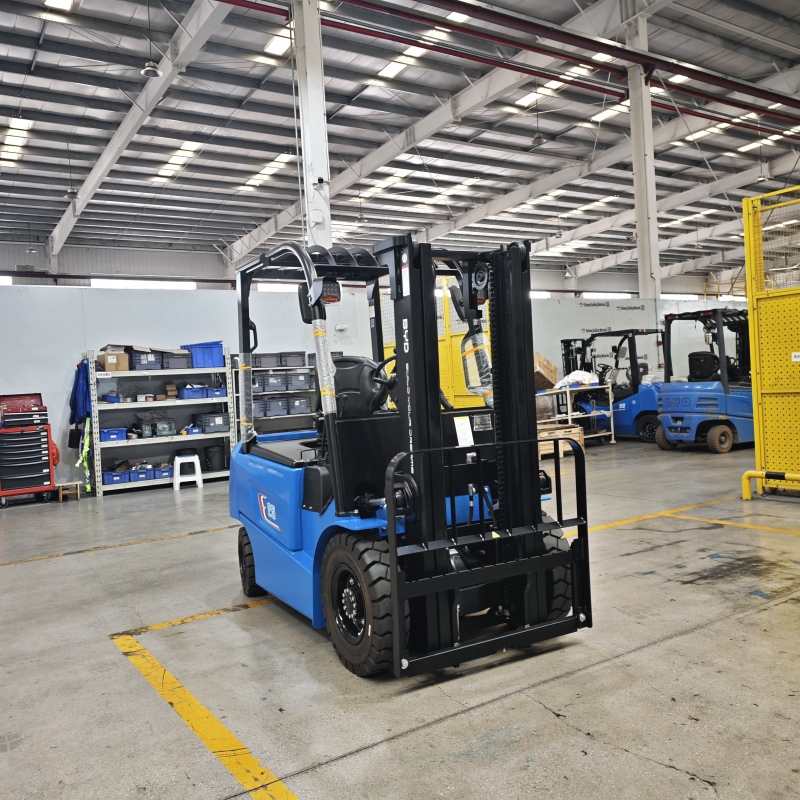
If you have customized demand for semi electric stackers suitable for special operation scenarios such as low-temperature warehouses or narrow aisles, you can consult professional material handling solution providers like Jianshu New Energy for targeted selection suggestions. Many mainstream material handling equipment manufacturers, including BYD Forklift, have launched a variety of semi electric stacker products with different load and lifting height configurations, which can cover the operation needs of most small and medium-sized warehouses, logistics transfer stations and retail outlets.
In addition to load and lifting height, you can also combine other parameters such as equipment body size, battery life and turning radius according to your actual operation scenario, to further select the most suitable semi electric stacker for your use. Reasonable selection according to actual needs can not only improve the efficiency of daily handling and stacking operations, but also extend the service life of the equipment and reduce the overall operation cost. For more detailed selection guidance, parameter query or product consultation, you can send an email to 17399989919@163.com, and the professional customer service team will provide you with free and accurate answering services in time.


