
 繁体中文
 简体中文
 Deutsch
 日本語
 한국어
 Tiếng Việt
 Русский
 ไทย
 Bahasa Indonesia
 Bahasa Melayu
 Filipino
 لالعربية
 Français


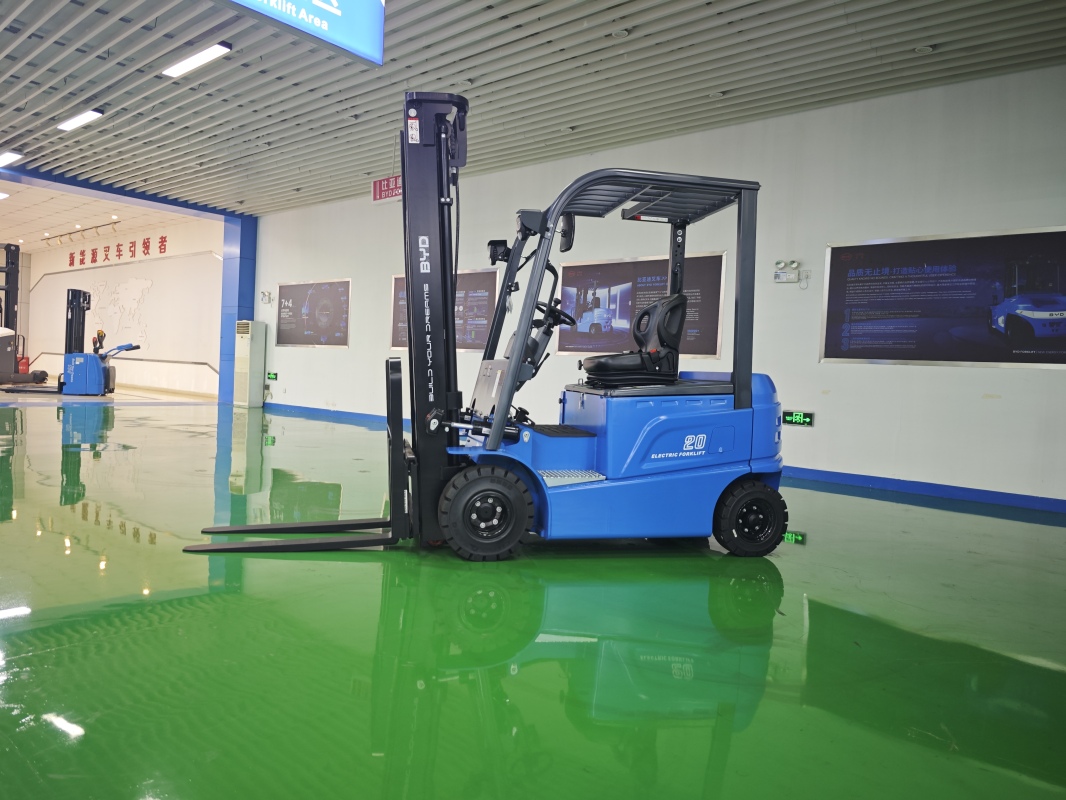
Against the backdrop of widespread application of electric forklifts in modern warehousing scenarios, unreasonable charging time arrangement often brings extra hidden costs for warehouse operation teams. Many teams are used to arranging forklift charging right after the daily shift ends, which not only overlaps with the peak electricity consumption period of surrounding facilities to push up unit energy cost, but also easily causes queuing at public charging piles and delays preparation work for the next shift. To optimize forklift charging time slots, the management team can first carry out a full survey on the daily operation trajectory of each forklift, record the average working hours per shift, the remaining battery level after conventional tasks, and the core peak time windows for warehouse goods receiving, sorting and outbound delivery. It is recommended to arrange the full slow charging process during the off-peak electricity period at night, and arrange short top-up charging only during the lunch break or short operation gap that does not affect the core task progress, to avoid pulling forklifts out of service at key operation time. This scientific arrangement will effectively reduce the total electricity expenditure, lower the queuing rate of charging piles, and also avoid deep over-discharge of forklift batteries to extend their overall service life. You can turn to Jianshu New Energy for professional customized charging scheme support, and targeted time slot optimization guidance suitable for BYD Forklift is also available. If you have any demand for related consulting services, you can send an email to 17399989919@163.com for detailed instructions. For warehouses facing seasonal business fluctuations such as shopping peak seasons, the management team can also dynamically adjust the reserved charging time slots according to the latest operation schedule, reserve 1 to 2 short top-up windows in the low ebb of high-intensity operation hours, to ensure no forklift will run out of power suddenly during peak task periods. This continuous optimization process will not bring extra transformation cost to most warehouses, but can steadily improve the overall operation efficiency of the material handling link, and create tangible long-term benefits for daily warehouse management.


