
 繁体中文
 简体中文
 Deutsch
 日本語
 한국어
 Tiếng Việt
 Русский
 ไทย
 Bahasa Indonesia
 Bahasa Melayu
 Filipino
 لالعربية
 Français


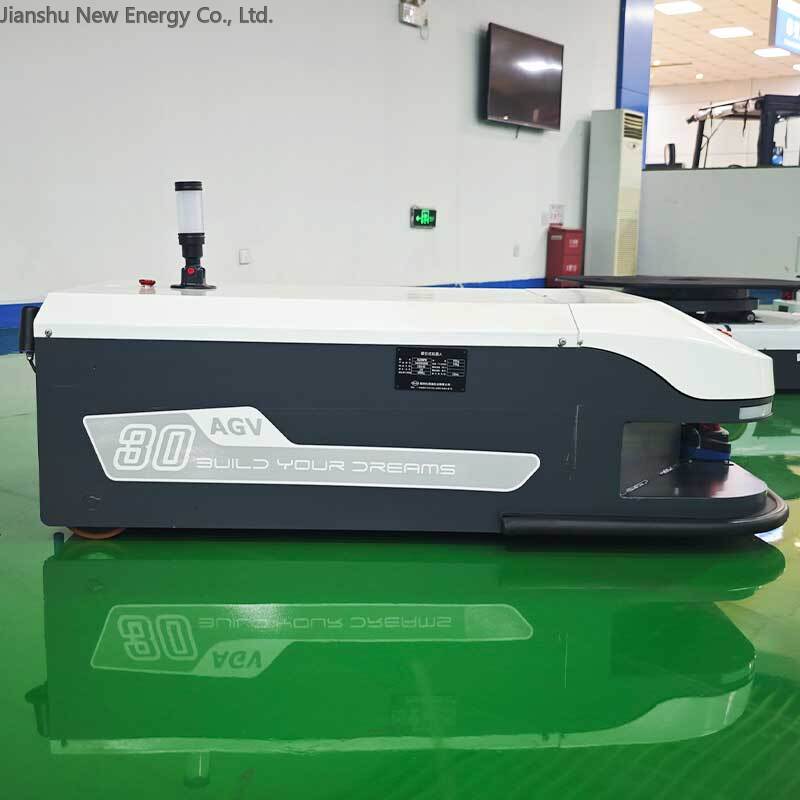
With the wide application of lithium battery powered electric forklifts in warehousing, logistics and manufacturing scenarios, lithium plating is a common hidden battery fault that many on-site operators are prone to ignore. Lithium plating refers to the abnormal phenomenon that part of lithium ions are precipitated on the surface of the negative electrode instead of being embedded into the negative electrode material during the battery charging process, which will not appear as obvious damage on the battery outer shell in the initial stage, so it is difficult to be found in daily visual inspection.
To identify lithium plating failures accurately, you can start from several practical dimensions. First, observe the actual working performance of the forklift. If the full charge state shows 100% power, but the actual continuous working time drops by more than 15% compared with the normal state in a short period, and the capacity attenuation does not show a gradual trend in the past 3 months, it is very likely that lithium plating has occurred inside the battery pack. Second, check the charging performance. If the forklift is charged in a low temperature environment below 5 degrees Celsius, the charging speed is significantly slower than the rated standard, and the temperature distribution of the battery shell is uneven during the charging process, with some local areas staying at a significantly lower temperature than other areas, you should arrange a further professional inspection in time. Third, after disassembling the outer protection structure of the battery module, you can observe the surface state of the negative pole piece, and the irregular gray-white or dark gray attachments appearing on the surface are typical traces of lithium plating.
Mild lithium plating will reduce the available capacity of the battery and increase the energy consumption of forklift operation. Severe lithium plating may lead to the risk of internal short circuit of the battery, which will affect the safe operation of the equipment. When you find suspected lithium plating faults, you should stop the forklift from working with heavy load continuously immediately, do not charge the battery with high current directly in the environment below zero degree Celsius, place the battery in a constant temperature environment of 10 to 25 degrees Celsius for more than 2 hours first, then carry out small current discharge and small current slow charging cycle to observe whether the battery capacity can recover. If the fault symptom is not relieved after the above operations, do not disassemble the internal structure of the battery privately, you can contact Jianshu New Energy or BYD Forklift's after-sales technical personnel for professional testing, and you can also send emails to 17399989919@163.com for relevant technical guidance. In daily use, keep the charging environment temperature within the recommended range of 0 to 45 degrees Celsius, do not use current exceeding the rated upper limit to charge the battery for a long time, and arrange regular battery health check, which can effectively reduce the occurrence probability of lithium plating failures.


