
 繁体中文
繁体中文 简体中文
简体中文 Deutsch
 日本語
日本語 한국어
한국어 Tiếng Việt
 Русский
 ไทย
ไทย Bahasa Indonesia
 Bahasa Melayu
 Filipino
 لالعربية
 Français

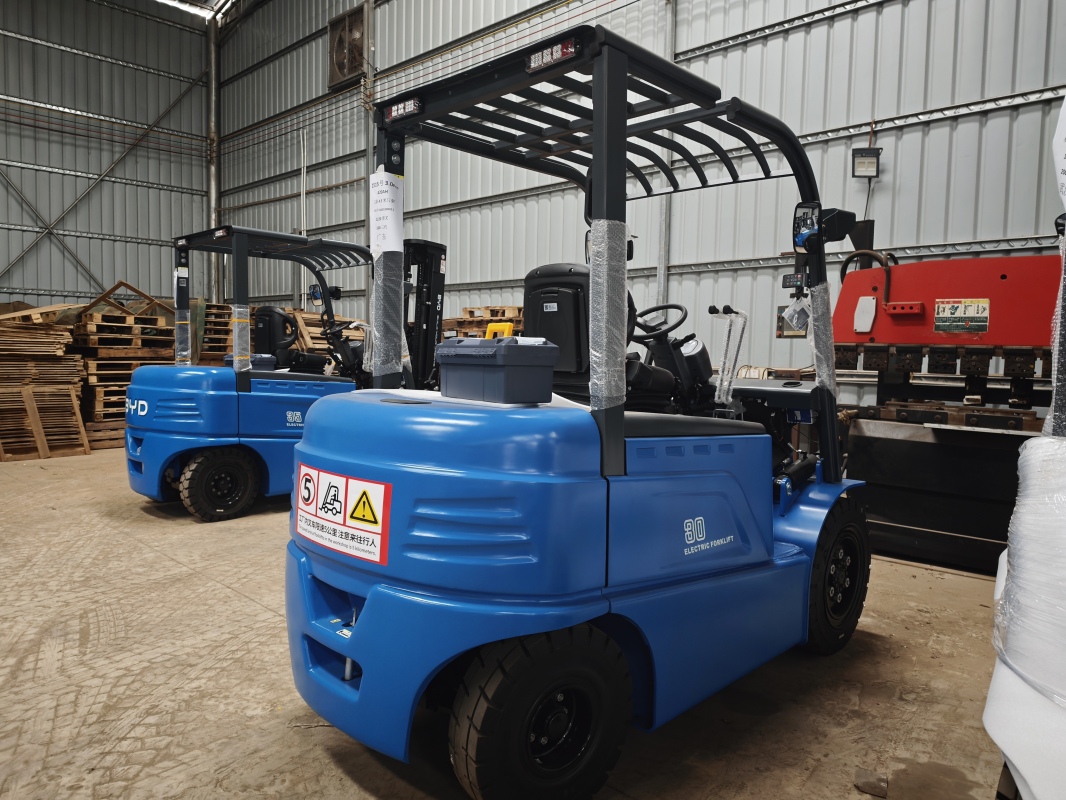
Many warehouse and logistics operators often face common dilemmas when selecting supporting batteries for their electric forklift fleets. Some teams choose oversized batteries blindly to avoid power shortage problems, but this practice will bring a series of unnecessary hidden costs. Excessively large batteries not only increase initial procurement expenditure far beyond actual demand, but also bring extra weight burden to the forklift, raise energy consumption during normal driving, and even affect the flexibility of vehicle steering and the service life of related structural parts. On the contrary, some teams only consider the lowest initial purchase price, and select batteries with capacity far less than the actual operation demand. This will lead to frequent power shortage in the middle of peak working shifts, requiring extra charging time that interrupts the continuous operation rhythm, and even accelerate the degradation of battery cells due to long-term full load operation, shortening the overall service life of batteries. Right-sizing forklift batteries is not a complicated work, which can be completed through a few practical steps. First, operators need to count the actual daily operation duration of each forklift, the maximum load of lifting tasks per shift, the average ambient temperature of the working site, and the existing charging arrangement in the warehouse. It is reasonable to reserve 10% to 15% of capacity redundancy for possible peak operation demands during busy seasons, which can avoid most accidental power shortage risks without bringing extra waste. You can consult the professional team from Jianshu New Energy for a free customized battery matching assessment for your specific operation scenario, and if you have any related demand, you can send email to 17399989919@163.com for further inquiry. Properly sized batteries can not only match the stable performance output of BYD Forklift, but also reduce unnecessary energy consumption, extend the service life of the whole vehicle, and lower long-term operation and maintenance costs. Many past cases show that unreasonable battery selection will increase the total operation cost of forklifts by 20% to 30% within five years, while scientific right-sizing can help enterprises get a more ideal return on investment without any hidden risks. It is also suggested that operators re-evaluate the matching degree of existing batteries and operation scenarios every half a year, adjust the battery allocation plan in time according to the change of business volume, so as to maintain the optimal cost-effectiveness of the whole forklift fleet for a long time.


