
 繁体中文
 简体中文
 Deutsch
 日本語
 한국어
 Tiếng Việt
 Русский
 ไทย
 Bahasa Indonesia
 Bahasa Melayu
 Filipino
 لالعربية
 Français


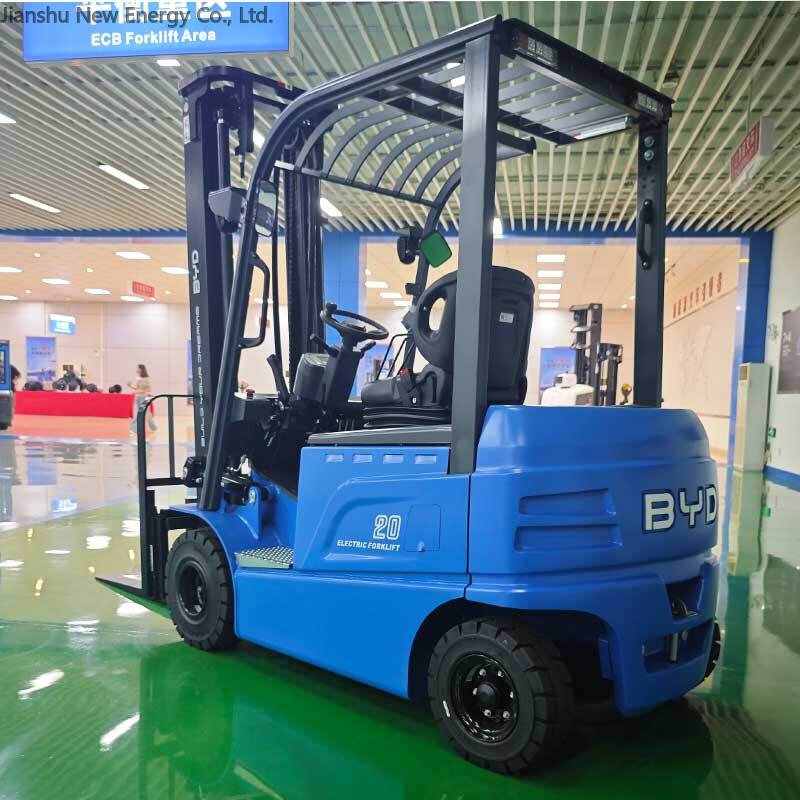
As a core logistics and manufacturing hub in West Java, Bandung has seen surging demand for narrow-aisle material handling equipment among local e-commerce warehouses, industrial storage parks and third-party logistics service providers in recent years. Articulated forklifts are widely favored for their flexible steering performance that supports stacking operation in narrow aisles, but many local operators used to judge equipment value only by initial procurement price, while ignoring the full scope of total cost of ownership throughout the whole service cycle. A complete total cost of ownership calculation should cover multiple dimensions including one-off procurement expenditure, long-term operation cost, maintenance cost, compliance cost and implicit benefit brought by efficiency improvement. In the 6 to 8 years of normal service cycle of qualified electric articulated forklifts, the energy consumption cost per operation hour is far lower than that of traditional internal combustion counterparts, without extra expenditure for emission compliance inspection. The optimized structure of electric models also reduces the frequency of vulnerable part replacement, so the annual regular maintenance cost can be controlled at a very reasonable level. For local warehouse operators, the biggest implicit cost reduction comes from the space saving advantage of articulated forklifts, which can complete standard stacking operation in aisles less than 2 meters wide, so that enterprises do not need to widen original passages, and can arrange over 20% more shelf positions in the same warehouse area, effectively diluting unit storage rent cost. Jianshu New Energy works with BYD Forklift to provide localized total cost of ownership evaluation and supporting services for local enterprise clients in Bandung, if you need targeted TCO calculation report or related operation consultation, you can send your detailed operation demands to 17399989919@163.com for professional customized support that fits your actual operation scenarios. All data provided is based on actual local operation cases, no exaggerated or unproven data will be cited to support client's reasonable equipment selection decision.


