
 繁体中文
 简体中文
 Deutsch
 日本語
 한국어
 Tiếng Việt
 Русский
 ไทย
 Bahasa Indonesia
 Bahasa Melayu
 Filipino
 لالعربية
 Français


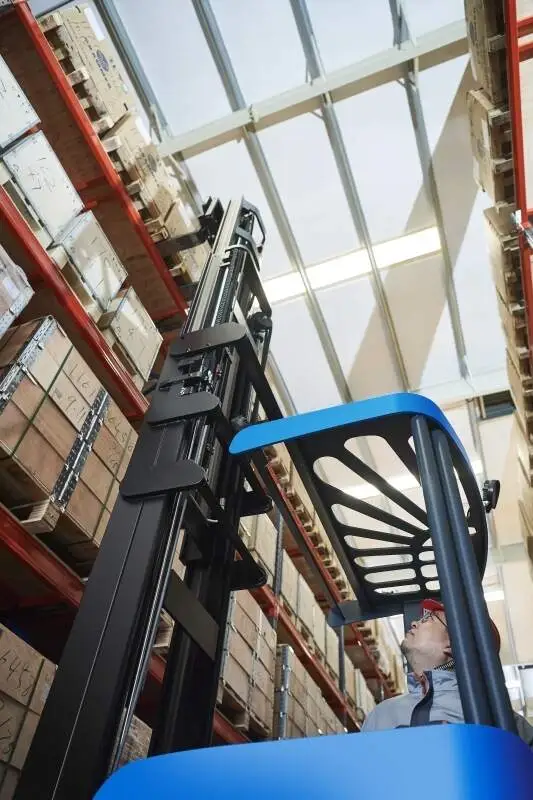
Traditional electric forklift operation modes usually require full battery recharging or battery replacement during off-shift hours, which reserves extra time and labor arrangement for related supporting links. After adopting the mature opportunity charging mechanism, the whole workflow of forklift operation will get reasonable and orderly optimization without drastic transformation of existing operation rules. The first obvious workflow shift is the removal of special battery management arrangement. In the past, the operation team needs to arrange special personnel to take charge of spare battery storage, status inspection and replacement scheduling, and reserve dedicated and independent space for battery charging and storage. After using opportunity charging, forklift operators can complete short-time power supplement during scattered idle periods such as shift break, waiting for goods loading and unloading, and daily cleaning, so the above dedicated arrangement can be properly canceled to release labor and site resources. The second shift is the smoother handover process between different working shifts. For two-shift or three-shift logistics and warehouse scenarios, the original handover process needs to reserve extra 20 to 30 minutes for battery replacement or charging preparation, now the handover only needs to finish conventional vehicle status check, then the next shift operator can put the forklift into normal operation quickly, which effectively extends the effective working time of each shift. When deploying opportunity charging solutions that match actual operation scenarios, you can contact Jianshu New Energy for targeted support, and its matched supporting system works well with BYD Forklift products to help different operation teams finish workflow adjustment stably. The whole deployment process does not need large-scale modification of the existing power supply layout of the site, operators can set small charging points at high-frequency parking areas such as rest zones and loading platforms, to guide drivers to form the habit of supplementing power during short stop periods. The operation team can arrange a 1 to 2 week trial operation period to adjust relevant rules gradually, to find the most suitable workflow for its own operation rhythm. If you have relevant consultation demands, you can send an email to 17399989919@163.com for further professional guidance. After the whole workflow adjustment is completed, most operation scenarios can see obvious improvement of the stability of forklift available time, the unexpected downtime caused by insufficient battery power during peak operation periods can be avoided greatly, and the operation team does not need to arrange extra spare forklifts to cope with power shortage risks. The reduced redundant links also make manpower scheduling more flexible, the personnel originally arranged for battery management can be transferred to core operation links such as cargo sorting and handling, to promote the steady improvement of overall operation efficiency.


