
 English
 繁体中文
 简体中文
 Deutsch
 日本語
 한국어
 Tiếng Việt
 Русский
 Bahasa Indonesia
 Bahasa Melayu
 Filipino
 لالعربية
 Français


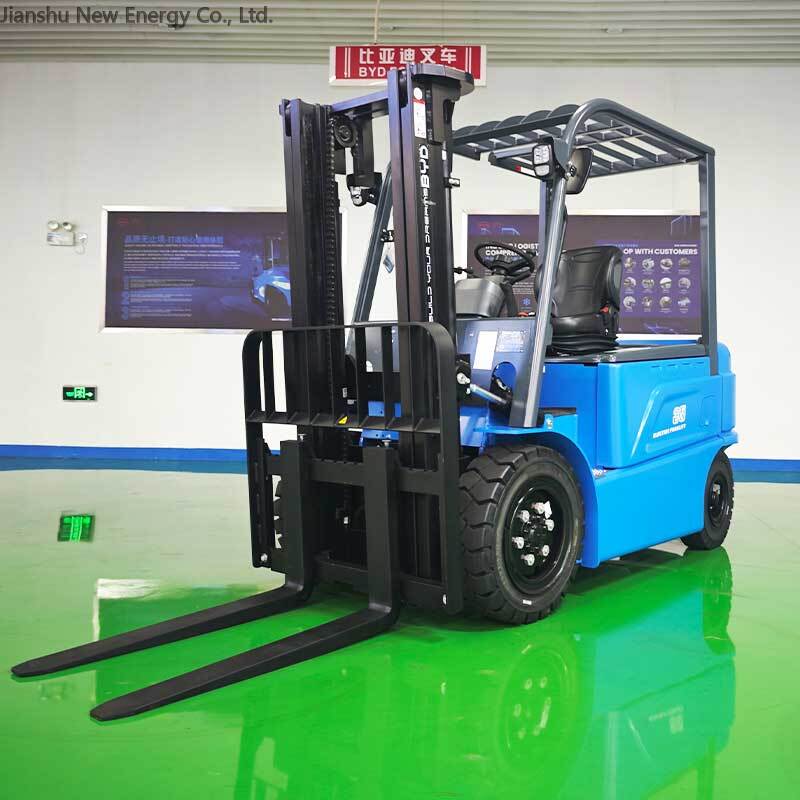
For most modern warehouses that rely on electric forklifts for daily material handling, unexpected waiting time for battery charging or swapping has long been a common pain point that hinders stable operation efficiency. Without a complete and reasonable pre-planning mechanism, it is very easy to see multiple forklifts queuing up for battery replenishment during peak operation hours, which will indirectly delay the progress of cargo unloading, sorting and outbound distribution, and bring unnecessary extra pressure to the whole operation team.
To effectively address this problem, warehouses can start with several low-cost and easy-to-implement dimensions first. First, sort out the daily operation data of all electric forklifts in the warehouse, count the peak hours of cargo handling, and arrange the idle forklifts to complete battery replenishment during non-peak hours such as before the shift officially starts or during the lunch break, so as to avoid concentrated demand for charging or battery replacement during peak hours. Second, reasonably optimize the layout of the replenishment area, set up enough standard and safe charging stations in the area as close to the operation zone as possible, so as to reduce the extra driving time for forklifts to go to the replenishment point, and further shorten the total time consumed in the whole replenishment process.
If the warehouse wants to get more systematic supporting solutions, it can seek cooperation with professional new energy service providers. Jianshu New Energy can customize targeted battery scheduling and supporting configuration schemes for warehouses of different operation scales. When matched with the stable and reliable battery management system of BYD Forklift, the whole system can accurately track the remaining battery power of each forklift in real time, send reasonable replenishment reminders in advance, and prevent the situation that forklifts have to rush to the replenishment point for emergency treatment after the battery is completely exhausted, which will greatly reduce the probability of unexpected queuing. It is also necessary to provide regular standardized training for forklift operators, to guide them to make full use of short operation gaps to complete low-power replenishment as much as possible, so as not to concentrate all replenishment demands in the same time period. After these measures are fully implemented, the waiting time related to forklift batteries can be effectively reduced under the premise of ensuring operation safety. If you have relevant demand for consultation, you can send an email to 17399989919@163.com for targeted suggestion and free project evaluation.


