
 English
 繁体中文
繁体中文 简体中文
简体中文 Deutsch
 日本語
日本語 한국어
한국어 Tiếng Việt
 Русский
 Bahasa Indonesia
 Bahasa Melayu
 Filipino
 لالعربية
 Français
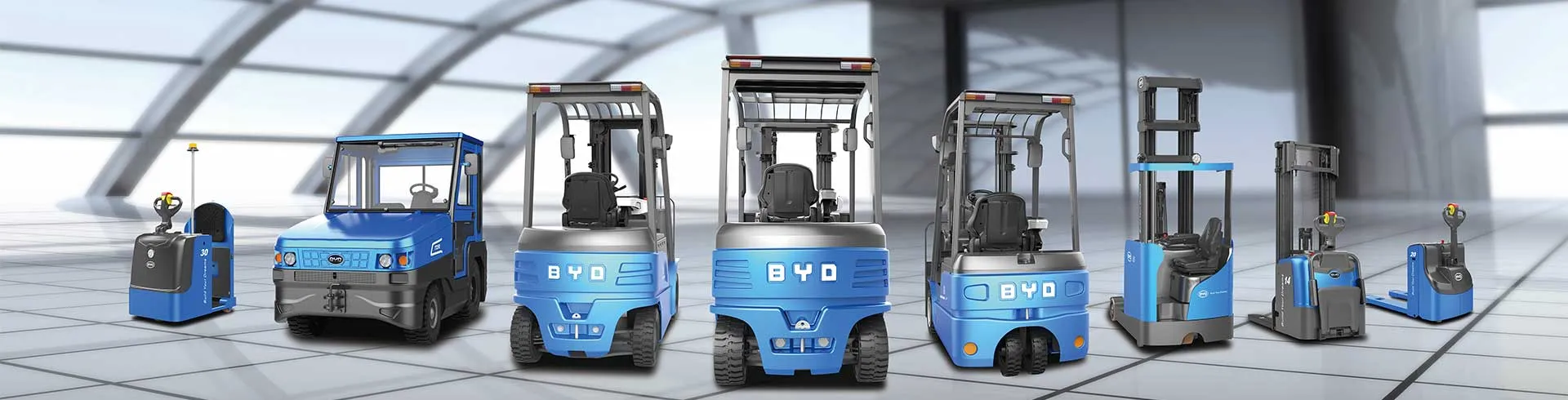
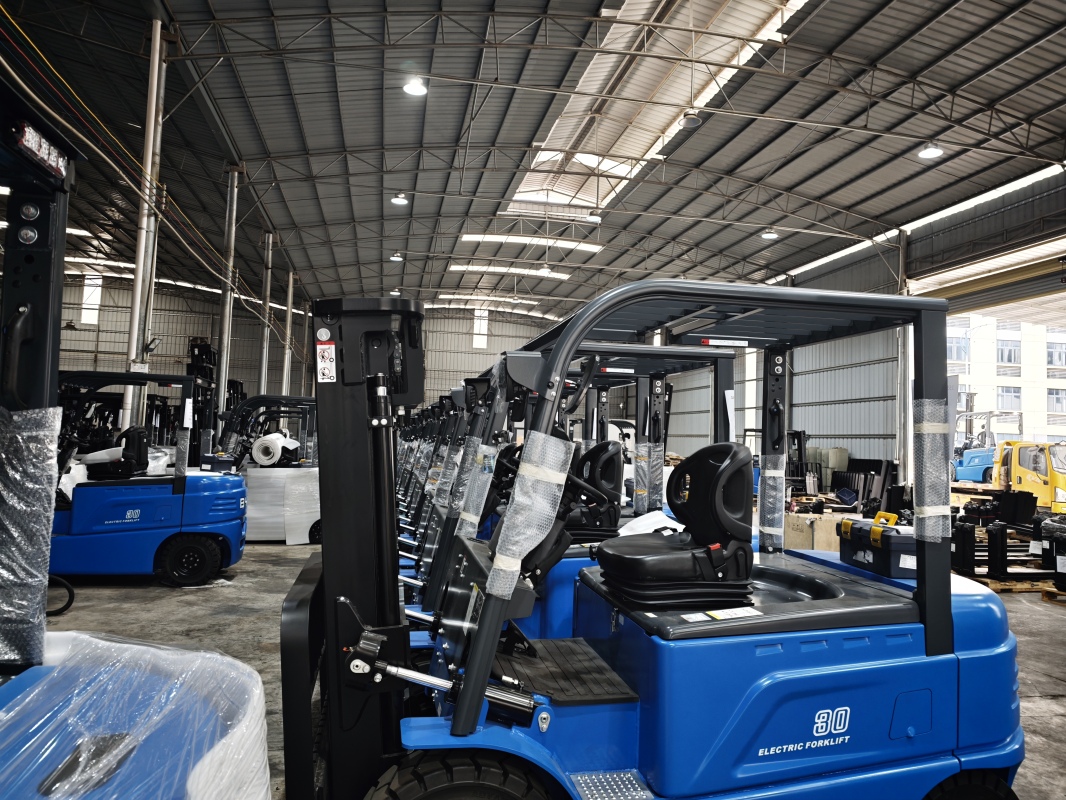
As electric forklifts gain traction across Southeast Asia, understanding local certification requirements becomes critical for market entry. Each ASEAN member state enforces its own product approval process, with varying costs and timelines. This article provides a factual overview of key countries, avoiding extreme claims or promotional language.
In Thailand, the Thai Industrial Standards Institute (TIS) requires electric forklifts to meet specific safety and performance standards. Certification costs typically range from 3,000 to 8,000 USD, depending on testing complexity, with timelines between 4 and 8 months. For Indonesia, the Standar Nasional Indonesia (SNI) certification involves factory audits and product testing. Costs are generally higher—around 5,000 to 12,000 USD—and the process may take 6 to 12 months. Malaysia’s SIRIM certification follows similar patterns: costs between 4,000 and 10,000 USD, with completion in 4 to 9 months.
Vietnam mandates the CR (Compliance Registration) mark for electric forklifts. Costs are moderate at 2,500 to 6,000 USD, and timelines average 3 to 6 months. The Philippines requires the Philippine Standard (PS) license, costing 3,000 to 7,000 USD, taking 4 to 8 months. Singapore, while streamlined, still demands safety mark approval from relevant authorities; costs hover around 2,000 to 5,000 USD, and timelines are 2 to 5 months.
Companies like Jianshu New Energy and BYD Forklift have navigated these processes to serve regional customers. For accurate guidance tailored to your product, always consult a local certification body or accredited testing laboratory. For inquiries, reach us at 17399989919@163.com. Compliance with local laws ensures safety and market acceptance without overstatement.


