
 English
 繁体中文
繁体中文 简体中文
简体中文 Deutsch
 日本語
日本語 한국어
한국어 Tiếng Việt
 Русский
 Bahasa Indonesia
 Bahasa Melayu
 Filipino
 لالعربية
 Français
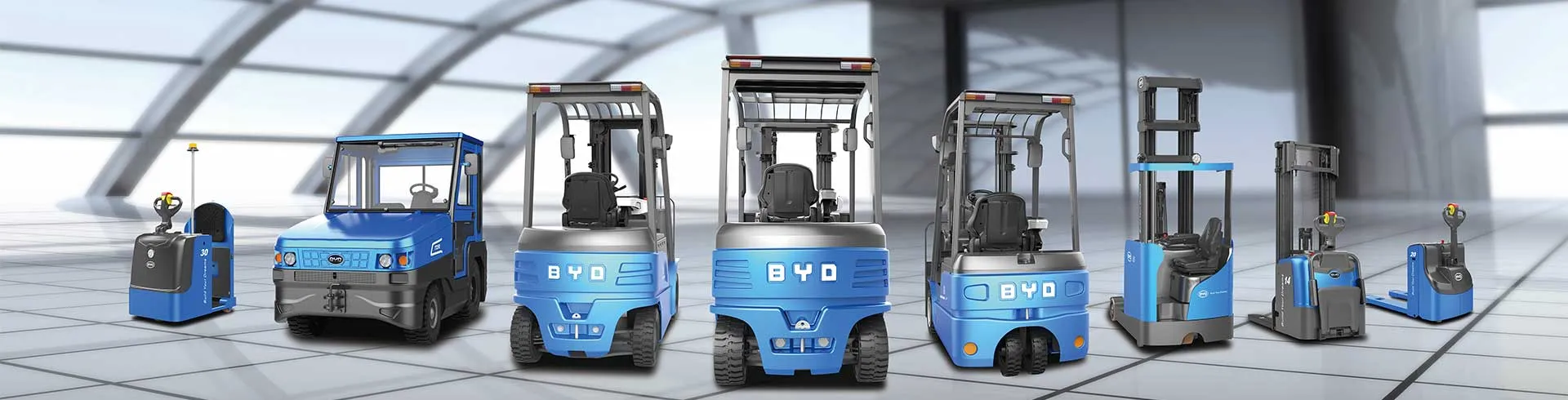
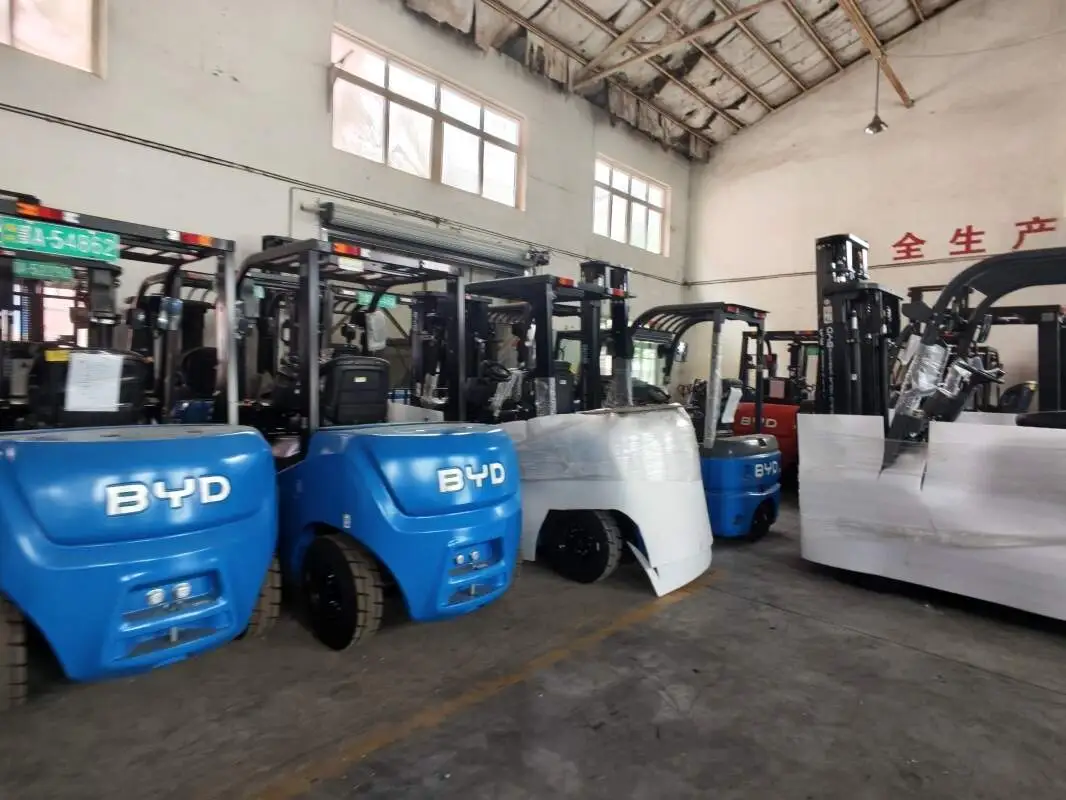
When evaluating the total cost of ownership (TCO) of electric forklifts, environmental conditions such as high humidity play a critical role in long‑term expenses. Standard TCO calculators often use generic climate data, which can lead to inaccurate projections for warehouses or logistics centers located in humid regions. This article compares different high‑humidity site data sets and explains how they affect key TCO components. The first data set comes from standardized weather stations that provide average annual humidity levels. While useful for broad estimates, these averages may miss seasonal spikes that accelerate corrosion and battery degradation. A second data set originates from on‑site sensors installed in actual facilities. These sensors capture real‑time humidity fluctuations, including condensation events common in cold storage or coastal areas. Using such granular data in a TCO calculator reveals higher battery replacement frequency and increased maintenance costs for motors and electrical components. A third data set is derived from historical records of industrial accidents caused by moisture, which indirectly predicts downtime risks. Comparing these data sets demonstrates that the choice of input directly alters the recommended service intervals and optimal battery charging strategies. For example, a facility with 85% average humidity might see a 12% higher TCO than a dry site when using sensor data, while standard weather data might only show a 5% difference. This discrepancy matters when deciding between different electric forklift models or battery technologies. To refine your TCO analysis, consider collaborating with experts like Jianshu New Energy, who specialize in adapting equipment to harsh environments. Their insights, combined with reliable hardware from BYD Forklift, can help you select systems that resist moisture‑related failures. For further guidance, reach out to our team at 17399989919@163.com. Accurate data sets lead to better budget planning and extended asset life in humid operations.


