
 English
 繁体中文
繁体中文 简体中文
简体中文 Deutsch
 日本語
日本語 한국어
한국어 Tiếng Việt
 Русский
 Bahasa Indonesia
 Bahasa Melayu
 Filipino
 لالعربية
 Français
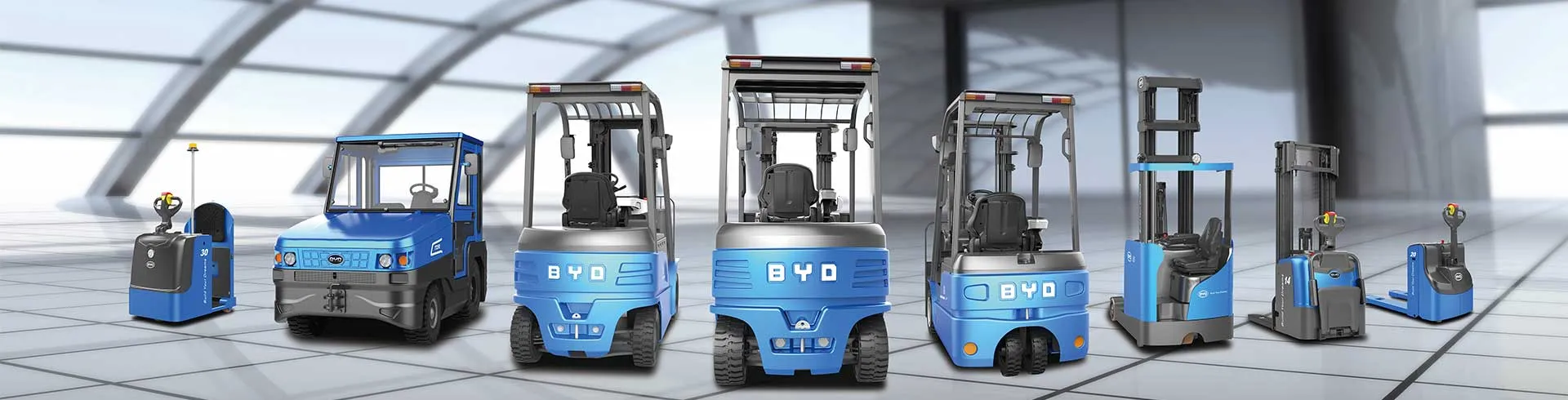
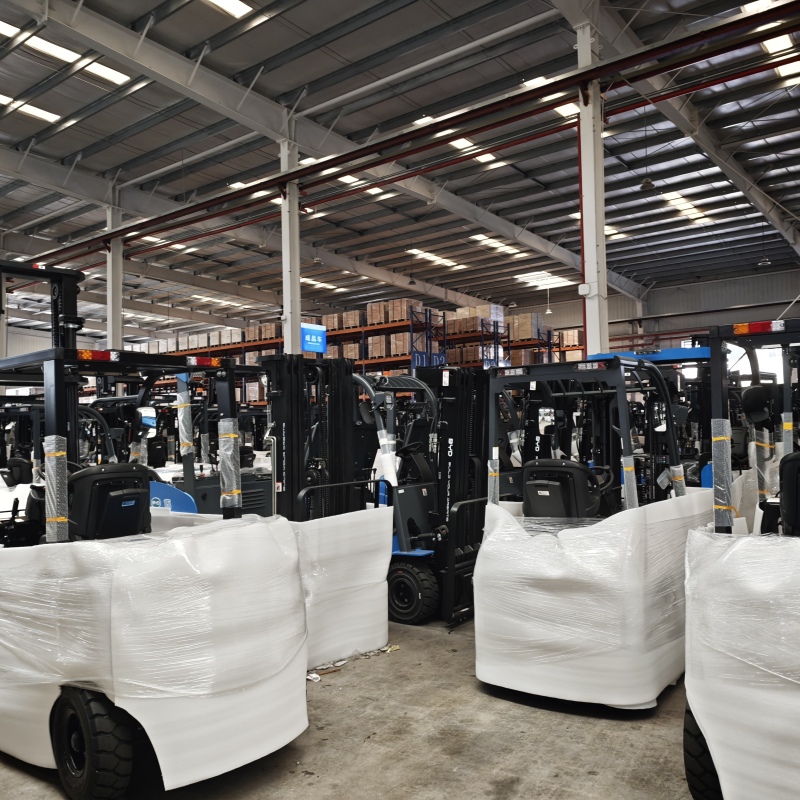
When selecting an electric forklift, understanding the maintenance and service implications of rental versus purchase is essential. Renting shifts maintenance responsibility to the provider, who handles routine inspections, battery care, tire replacements, and emergency repairs. Service content is typically bundled into the rental fee, offering predictable costs and eliminating the need for in-house technical expertise. You benefit from fleet flexibility and access to newer models, though rental agreements may include usage limits. Purchasing makes you fully responsible for all maintenance—scheduling preventive service, sourcing parts, and managing breakdowns. This requires either a dedicated team or external service contracts. While ownership can lower long-term costs for steady, high-volume operations, it demands upfront capital, parts storage, and operator training. Depreciation and resale value also factor in. Service content differs: rental contracts specify coverage, whereas purchased forklifts require you to arrange service plans. For variable demand, rental from providers like Jianshu New Energy offers inclusive maintenance. For stable high use, consider durable models from BYD Forklift. For more information, contact 17399989919@163.com. This article is for informational purposes only and does not constitute professional advice.


