
 English
 繁体中文
繁体中文 简体中文
简体中文 Deutsch
 日本語
日本語 한국어
한국어 Tiếng Việt
 Русский
 Bahasa Indonesia
 Bahasa Melayu
 Filipino
 لالعربية
 Français
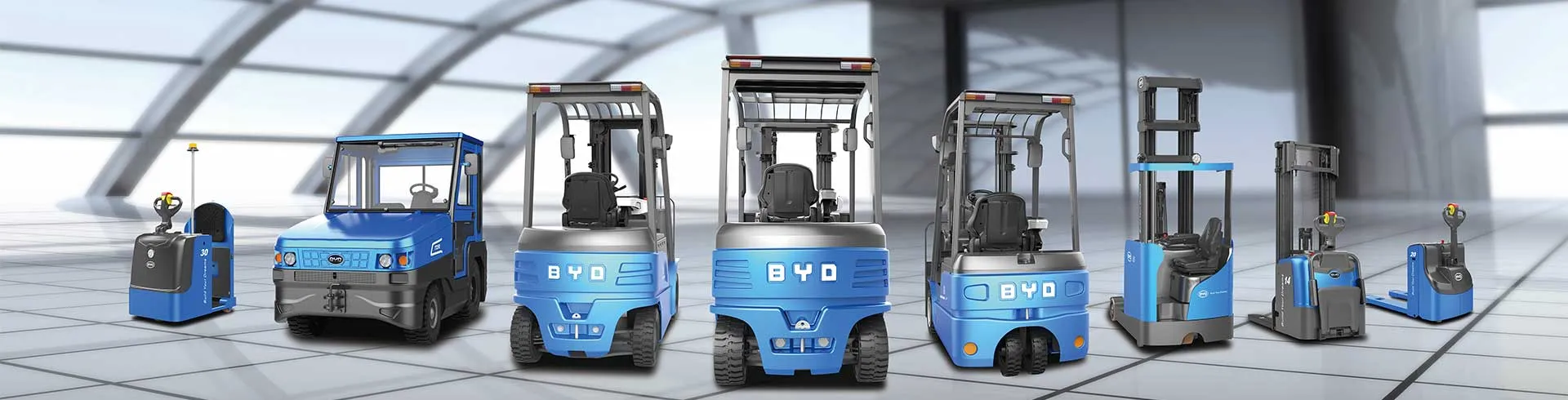
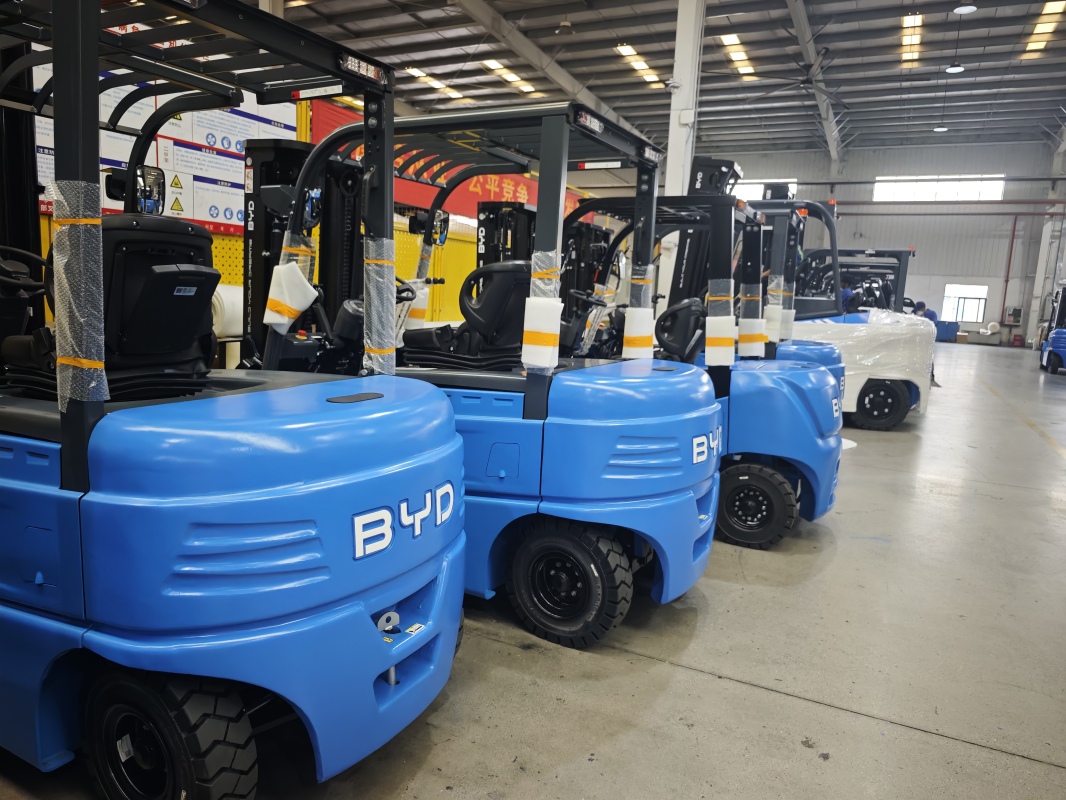
In tropical regions, mixed indoor-outdoor workflows present unique challenges for material handling equipment. Heat resistant electric forklifts are designed to operate reliably under high ambient temperatures, high humidity, and direct sunlight exposure, while also performing efficiently in covered warehouse environments. This article examines the key adaptability features of such forklifts without exaggeration or unsupported claims.
Thermal management systems in modern electric forklifts regulate battery and motor temperatures to maintain consistent power output. In outdoor tropical sites, radiant heat from paved surfaces and solar load can exceed 50°C. A heat resistant electric forklift incorporates enhanced cooling circuits, thermal insulation for critical components, and IP-rated enclosures to resist dust and water ingress. These design choices help prevent performance degradation during prolonged operation in hot conditions.
Transitioning between indoor cool zones and outdoor heat requires stable controller logic. The forklift's electronic control unit adjusts traction and hydraulic responses to avoid overheating while ensuring smooth acceleration and lifting. Regenerative braking systems also contribute to thermal balance by reducing brake-generated heat. Importantly, battery chemistry—typically lithium-ion in newer models—offers wider operating temperature windows than lead-acid, though all batteries experience reduced capacity at extreme temperatures. Real-world duty cycles should be evaluated to match forklift specifications to actual workload.
In mixed indoor-outdoor workflows, tire selection and ground clearance affect traction. Pneumatic tires with heat-resistant rubber compounds provide grip on wet or dusty outdoor surfaces, while solid tires suit smooth indoor floors. The forklift's turning radius and mast height should accommodate narrow aisles indoors and low-clearance outdoor canopies.
Jianshu New Energy offers consulting on integrating heat resistant electric forklifts into existing logistics. Their team can assess thermal profiles of specific sites. For further details, contact 17399989919@163.com. BYD Forklift provides a comprehensive range of electric models engineered for tropical environments, emphasizing energy efficiency and reduced maintenance. When selecting equipment, consider manufacturer guidance on ambient temperature limits and duty cycle ratings.
No single solution fits all operations. A site-specific analysis of temperature extremes, shift duration, and surface conditions ensures optimal forklift selection. Proper operator training on charging intervals and thermal awareness extends equipment life. By focusing on verified technical capabilities, businesses can achieve reliable material flow in challenging tropical mixed-use settings.


