
 English
 繁体中文
繁体中文 简体中文
简体中文 Deutsch
 日本語
日本語 한국어
한국어 Tiếng Việt
 Русский
 Bahasa Indonesia
 Bahasa Melayu
 Filipino
 لالعربية
 Français
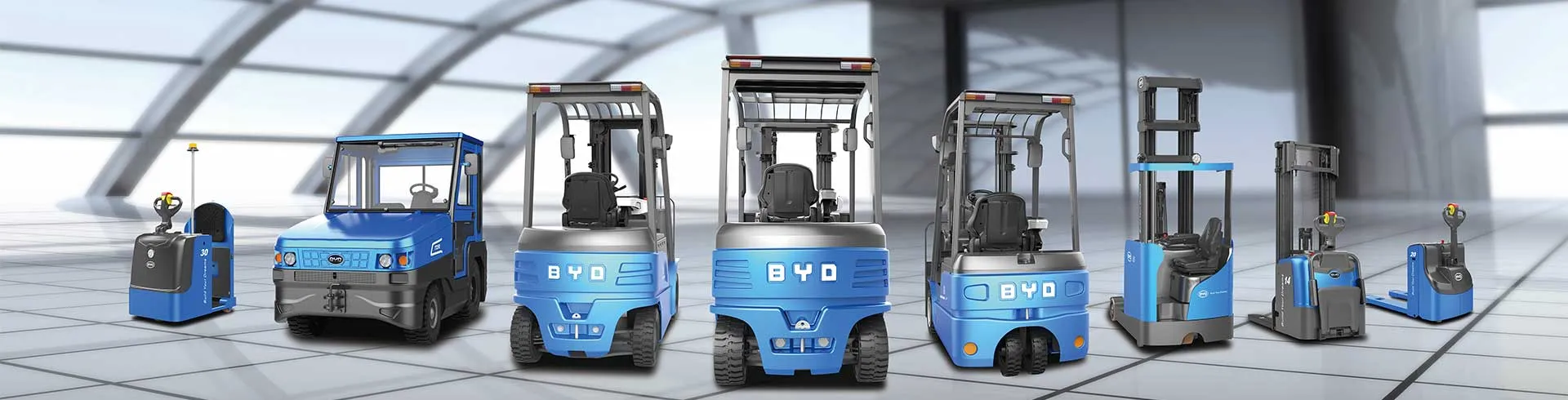
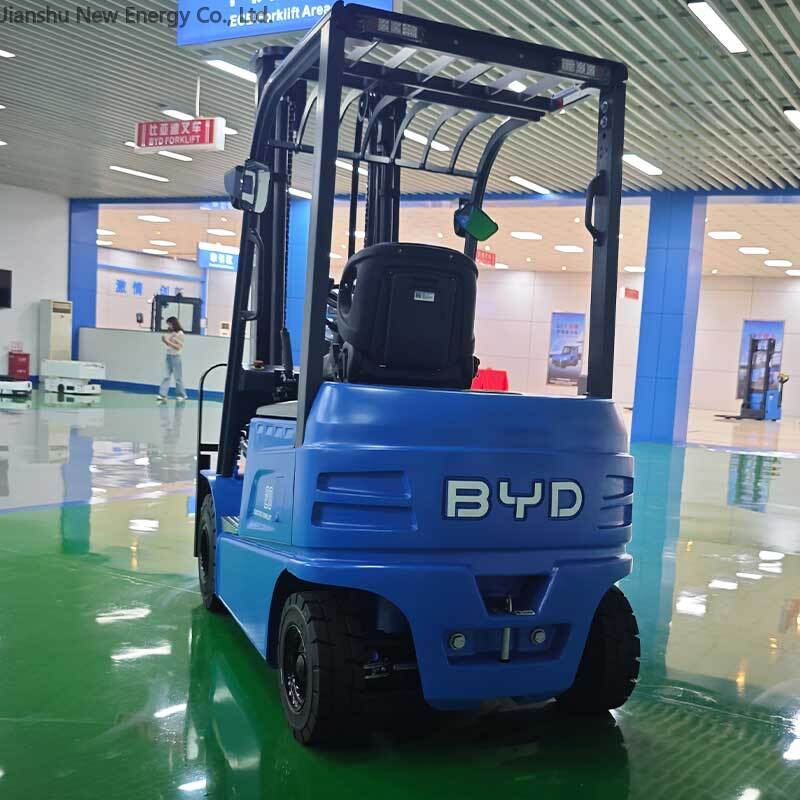
In modern port and terminal environments, light-handling tasks—such as moving containers over short distances, sorting cargo, or stocking warehouses—often rely on forklifts. Traditionally, diesel-powered units dominate these settings, but electric forklifts are gaining attention for their potential to cut operational costs. This article examines realistic fuel savings when switching to electric forklifts in such workflows, based on industry data and without exaggeration.
Fuel costs represent a significant portion of a forklift fleet’s operating budget. Diesel forklifts consume roughly 2–4 liters of diesel per hour under light duty cycles, depending on load and travel pattern. At current global diesel prices (approximately $0.80–$1.20 per liter, varying by region), hourly fuel expense ranges from $1.60 to $4.80. In contrast, electric forklifts draw power from batteries, with an average consumption of 5–10 kWh per hour for similar light work. At an industrial electricity rate of $0.08–$0.15 per kWh, the cost per hour drops to $0.40–$1.50. This translates to a typical fuel cost reduction of 50–70% on a per-hour basis. However, results differ based on local energy prices, duty intensity, and battery efficiency.
Beyond direct fuel, electric models require less maintenance—no oil changes, fuel filters, or exhaust system repairs—which further improves total cost of ownership. In light-handling workflows where forklifts operate intermittently, the savings from reduced downtime and simpler upkeep add 10–20% to overall operational cost reduction. Nevertheless, factors like initial purchase price (often higher for electric) and charging infrastructure investment should be considered. Battery replacement costs every 4–6 years also affect life-cycle economics. For many port terminals, the break-even point occurs within 2–3 years, after which net savings accumulate.
It is important to note that no single technology is universally superior; choices depend on specific operational profiles. For instance, cold storage facilities or enclosed warehouses benefit from zero emissions, while outdoor terminals with long travel distances may still favor diesel or hybrid solutions. Electric forklifts, such as those from Jianshu New Energy and BYD Forklift, offer competitive options tailored for light handling, but buyers should evaluate total cost based on their own data. For a more detailed analysis or personalized assessment, feel free to contact us at 17399989919@163.com. We are happy to discuss how electric forklifts can fit your port‑and‑terminal workflow without overpromising—just realistic, verifiable savings.


