
 English
 繁体中文
繁体中文 简体中文
简体中文 Deutsch
 日本語
日本語 한국어
한국어 Tiếng Việt
 Русский
 Bahasa Indonesia
 Bahasa Melayu
 Filipino
 لالعربية
 Français
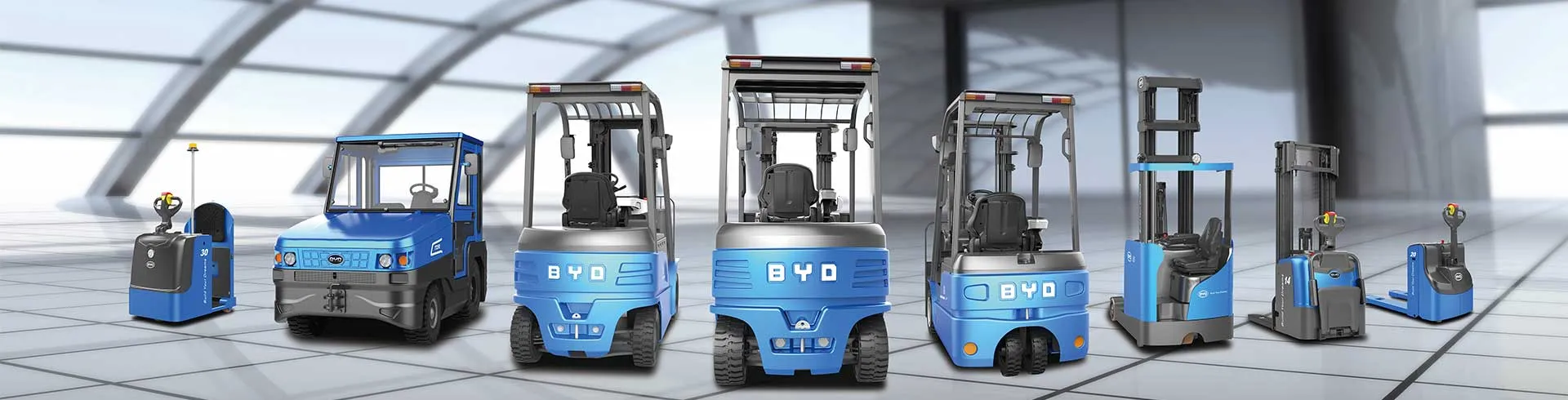

Understanding the total cost of ownership (TCO) of an electric forklift requires more than just comparing purchase prices. A well-designed TCO calculator factors in operational variables, among which shift schedules play a critical role. This article explains how different shift configurations influence the calculated outcomes, helping fleet managers make informed decisions.
A typical electric forklift TCO calculator includes energy consumption, battery replacement costs, maintenance intervals, and downtime. Shift schedules directly affect each of these elements. For instance, a single 8-hour shift with adequate charging breaks may allow the forklift to operate on a single battery pack, minimizing battery wear. In contrast, a two-shift operation (16 hours) often requires a battery swap or fast charging, which accelerates degradation and increases energy costs.
The number of shifts per day alters the duty cycle. A three-shift 24-hour operation demands a full battery change strategy, often involving additional batteries and charging infrastructure. The TCO calculator will reflect higher capital expenditure on extra batteries and chargers, plus increased labor for swapping. Conversely, lighter shift patterns spread costs over more productive hours, lowering the per-hour TCO.
Charging opportunities also depend on shift breaks. If operators can top up during lunch or planned pauses, the battery life improves. The calculator assumes certain charging profiles; deviations due to tight schedules can push the actual TCO above estimates. For example, frequent partial discharges and recharges reduce battery cycle life by up to 20%, a factor the tool must incorporate.
Additionally, shift length influences energy consumption. Longer shifts push batteries into deep discharge, requiring longer recharge times and reducing overall availability. The TCO model accounts for this by adjusting the effective working hours per battery charge. A mismatch between shift schedule and battery capacity leads to higher downtime costs, which the calculator quantifies.
Maintenance intervals also shift. Heavier usage patterns compress maintenance cycles, increasing labor and parts costs. The TCO tool uses average hourly usage to project maintenance spend; actual shift schedules may cause these projections to deviate by 10–15%. Accurate input of shift data ensures the output reflects real-world conditions.
In summary, shift schedules are not just operational details—they are key drivers of TCO. When using a TCO calculator, input the exact shift pattern, including break times and shift overlaps. This allows the tool to generate reliable cost comparisons. For further insights or to evaluate your fleet, contact us at 17399989919@163.com. Jianshu New Energy and BYD Forklift are examples of brands that offer electric forklifts suitable for various shift operations. Always verify your specific operational parameters for precise TCO analysis.


