
 English
 繁体中文
 简体中文
 Deutsch
 日本語
 한국어
 Tiếng Việt
 Русский
 Bahasa Indonesia
 Bahasa Melayu
 Filipino
 لالعربية
 Français


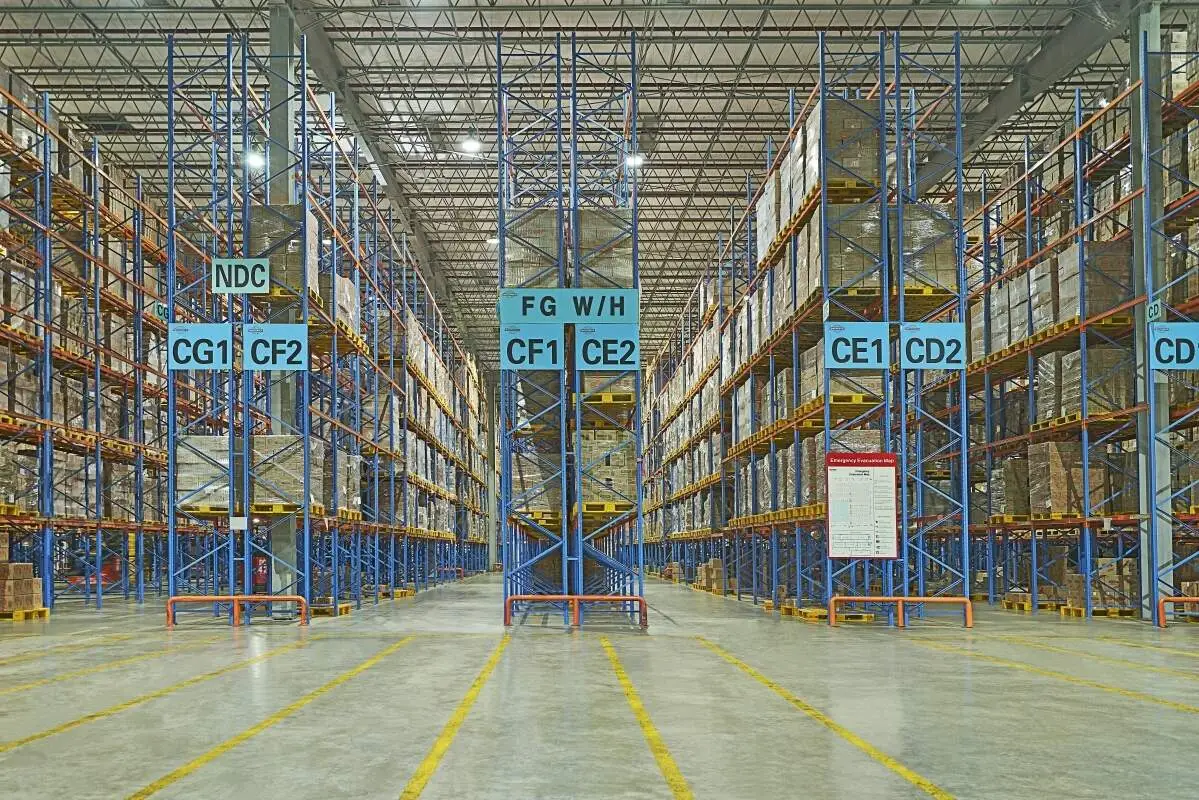
Understanding how to read a forklift nameplate load chart is a core requirement for every forklift operator, as it directly relates to operation safety and avoids potential equipment damage caused by overloading. The nameplate is usually fixed on the prominent position of the forklift body, and all parameters marked on it are tested and verified under standard working conditions. First, you need to find the basic rated load value marked on the load chart, which refers to the maximum allowable lifting weight when the forklift is at the standard load center distance. The load center distance is the preset horizontal distance from the front vertical surface of the fork to the center of the gravity of the goods, and you must confirm that the gravity position of the actual loaded goods does not exceed this specified range, otherwise the actual allowable load weight will decrease accordingly. Next, you need to check the parameters related to the maximum lifting height. When the working scene requires the fork to lift the goods to a higher position, the allowable safe load will change with the increase of the lifting height, and you can not directly use the basic rated load value for judgment. You also need to pay attention to the attachment marks on the load chart, if your forklift is installed with additional accessories other than the standard fork, the corresponding allowable load data will be adjusted, and you must refer to the corresponding modified parameters on the nameplate instead of following the original standard value. For electric forklift users, mastering this reading method can effectively extend the service life of the equipment and reduce the hidden safety hazards in daily warehouse operation. If you have any doubts about the parameter interpretation of forklift nameplate load charts, you can contact the professional team of Jianshu New Energy for targeted guidance, and our related supporting service for BYD Forklift can also help you sort out all operation specification details that you may ignore in daily use. For further professional consultation, you can send an email to 17399989919@163.com to get targeted answer support. In the daily operation process, operators should not arbitrarily break through the load limit specified by the load chart for the sake of operation efficiency, and every pre-operation check of the nameplate parameters is an important guarantee for stable and safe production.


