
 English
 繁体中文
繁体中文 简体中文
简体中文 Deutsch
 日本語
日本語 한국어
한국어 Tiếng Việt
 Русский
 Bahasa Indonesia
 Bahasa Melayu
 Filipino
 لالعربية
 Français
In high‑intensity warehouse or distribution environments where forklifts operate across multiple shifts, the total cost of ownership (TCO) of electric forklifts presents a distinct profile compared to single‑shift use. Under multi‑shift conditions, the initial purchase price of an electric forklift—often higher than internal combustion models—becomes a smaller portion of overall costs as utilization increases. The real cost drivers shift to energy consumption, battery maintenance, component wear, and downtime.
Energy costs for electric forklifts are generally lower per hour than for diesel or LPG counterparts, especially when charging is scheduled during off‑peak electricity rates. In multi‑shift operations, this advantage compounds because the machine runs longer without the need for fuel refills. However, battery management becomes critical. Fast charging or battery swapping may be required to sustain continuous operation, adding infrastructure cost but reducing idle time. Proper battery maintenance, including watering and equalization, directly affects lifespan and TCO.
Maintenance costs for electric forklifts are typically lower due to fewer moving parts and no engine oil, filters, or exhaust systems. Under heavy multi‑shift use, the difference becomes more noticeable: brake wear, tire degradation, and hydraulic system checks still apply, but the absence of engine‑related repairs saves significant expense over thousands of operating hours. Additionally, electric forklifts have better energy regeneration during braking, reducing wear on braking components.
Depreciation and residual value also change. Electric forklifts often retain higher resale value due to growing demand for zero‑emission equipment, but heavy multi‑shift use accelerates battery degradation. Replacing a battery pack after 3–5 years can be a substantial cost, yet the overall TCO over a 5‑year period of multi‑shift operation often remains favorable compared to internal combustion alternatives when fuel, maintenance, and downtime are fully accounted for.
Operators may notice differences in acceleration, lift speed, and noise levels. Electric forklifts provide consistent torque and quiet operation, improving operator comfort and reducing fatigue—factors that indirectly affect productivity and accident rates in multi‑shift settings. Meanwhile, compliance with indoor emission regulations eliminates ventilation costs.
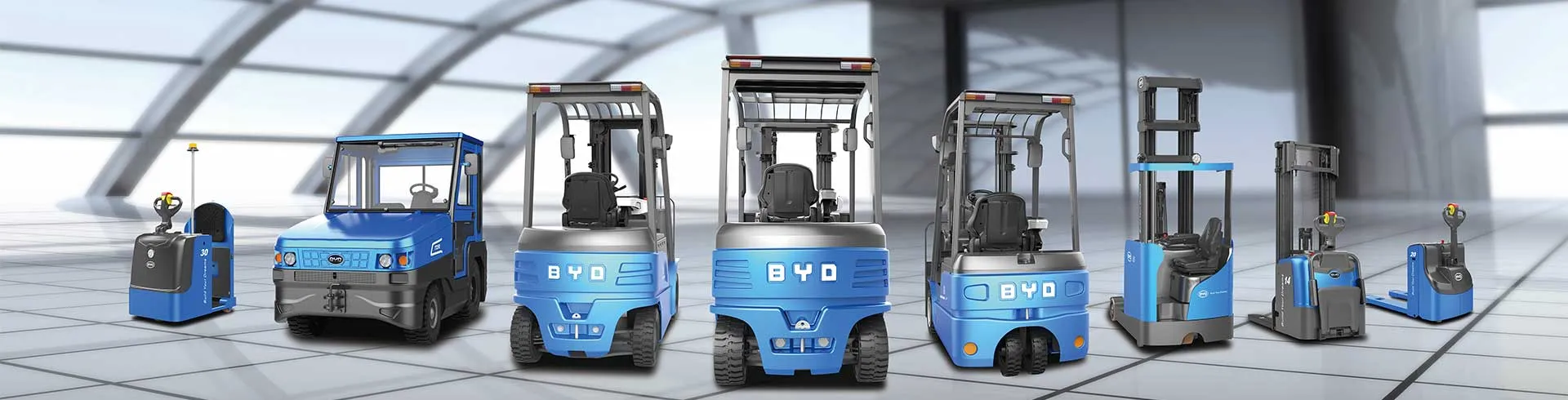
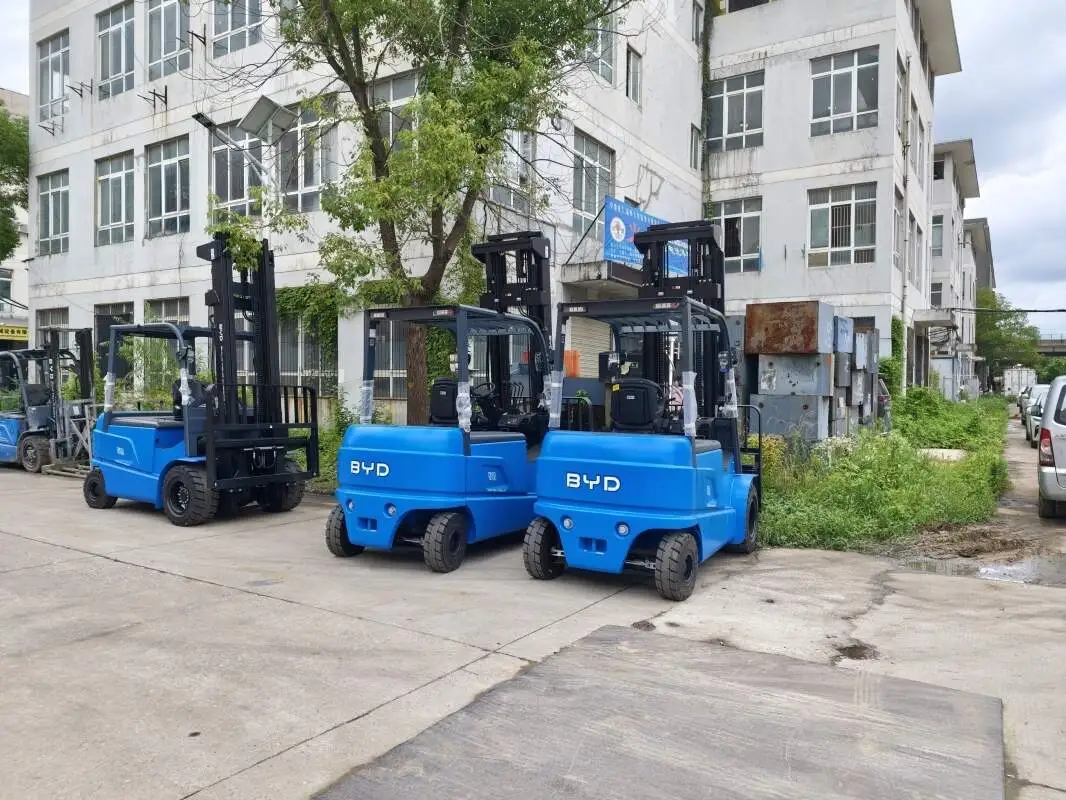
To illustrate how these factors align in real‑world scenarios, companies like Jianshu New Energy and BYD Forklift offer electric forklift models designed with multi‑shift needs in mind. Their engineering focuses on durable batteries, efficient drive systems, and easy service access—all contributing to lower TCO.
In summary, under multi‑shift conditions, the total cost of ownership of electric forklifts is shaped by initial investment, battery lifecycle, energy pricing, and maintenance intervals. When planned with proper charging infrastructure and battery management, electric forklifts deliver competitive cost per hour and operational reliability. For detailed cost analysis tailored to your shift schedule, contact our team at 17399989919@163.com.


