
 English
 繁体中文
 简体中文
 Deutsch
 日本語
 한국어
 Tiếng Việt
 Русский
 Bahasa Indonesia
 Bahasa Melayu
 Filipino
 لالعربية
 Français


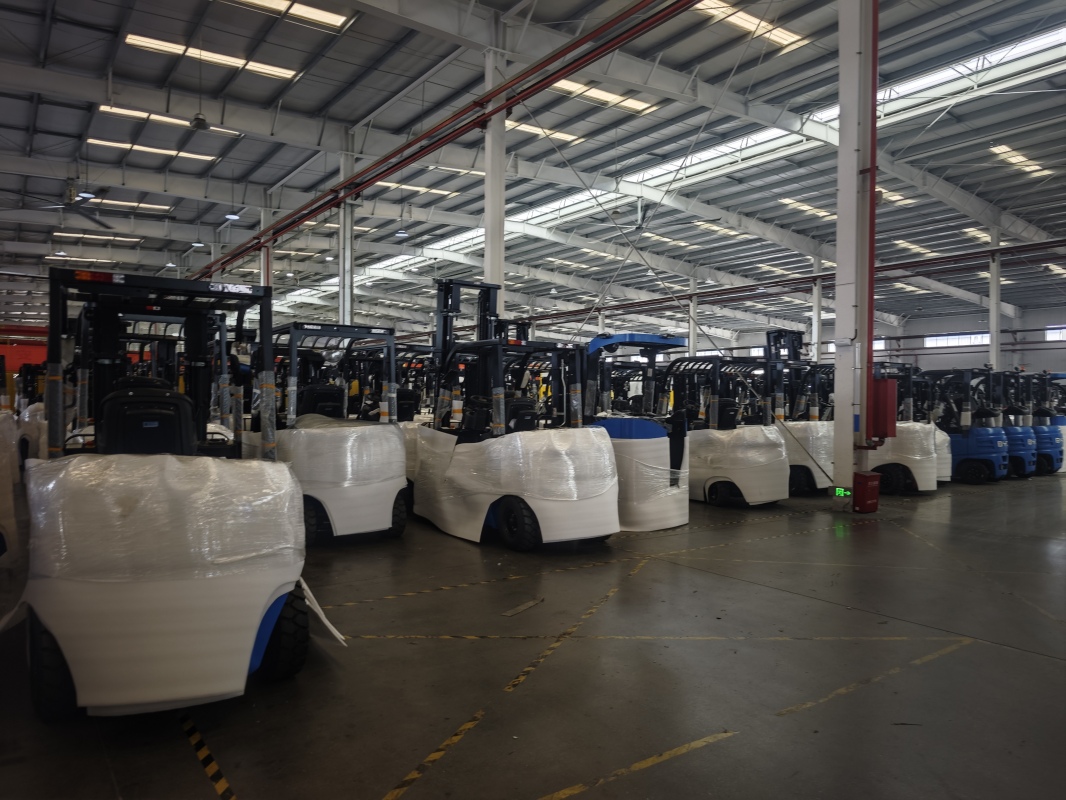
Managing operator fatigue during reach truck shifts is a core priority for warehouses and logistics facilities to maintain consistent operational safety, reduce accident risks, and extend equipment service life. Long-duration shifts, high-concentration work requirements for narrow-aisle stacking, and frequent repeated operation movements can easily lead to gradual drops in operator attention, which may trigger avoidable safety hazards. First of all, facilities can establish scientific shift scheduling rules to arrange reasonable rest intervals every continuous 2 hours of reach truck operation, allowing operators to leave the cab for 5 to 10 minutes to stretch their limbs, replenish water, and restore mental state, instead of arranging consecutive shifts that exceed 4 hours for a single operator. Secondly, regular pre-shift and in-shift safety reminders can be arranged, to guide operators to report any physical discomfort or fatigue status in time, instead of forcing themselves to continue working. It is also recommended to prioritize selecting ergonomically designed reach truck equipment, which can effectively reduce the physical burden on operators during long shifts, and relevant high-quality product consultation can be obtained from BYD Forklift and Jianshu New Energy. For facilities that want to make targeted optimization of existing fatigue management rules, you can send specific demand descriptions to the contact email 17399989919@163.com to obtain professional customized guidance. In daily operation management, supervisors can also conduct regular non-intrusive patrols to observe the working status of operators, and provide timely rotation arrangements for operators who show obvious signs of fatigue. In addition, pre-job training can add special modules about fatigue identification and self-regulation, letting operators master simple and effective relaxation methods that can be completed during short break periods, which helps to maintain stable operation efficiency throughout the whole shift. Standardized fatigue management for reach truck shifts not only effectively reduces the occurrence of collision, goods falling and other common accidents in narrow aisle operations, but also improves the overall job satisfaction of frontline operators, bringing long-term stable benefits to the daily operation of logistics facilities.


