
 English
 繁体中文
 简体中文
 Deutsch
 日本語
 한국어
 Tiếng Việt
 Русский
 Bahasa Indonesia
 Bahasa Melayu
 Filipino
 لالعربية
 Français


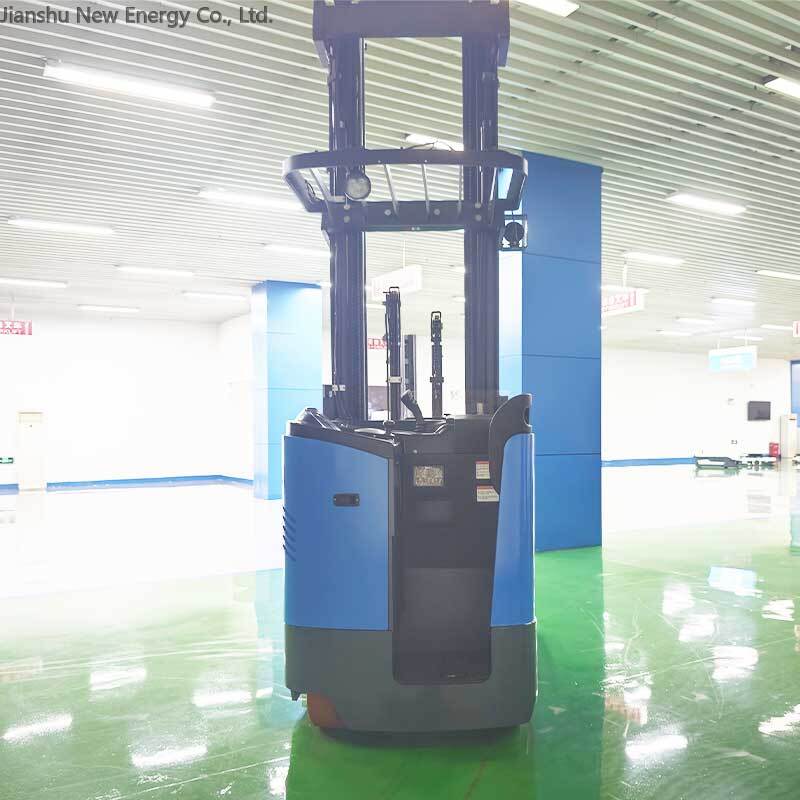
Many warehouse operation practitioners often overlook the matching relation between forklift lift height and building ceiling height in daily work, which may bring unnecessary safety risks and reduce the utilization rate of storage space. Most people only refer to the nominal building height marked on the design drawing when selecting forklift parameters, but ignore the space occupied by ceiling mounted facilities such as fire protection pipes, lighting fixtures and ventilation systems, the actual available net height for forklift operation is far lower than the nominal building ceiling height. The first step to complete proper matching is to carry out on-site measurement of the lowest point of all top facilities, and reserve a safety clearance of no less than 15 cm on this basis, to avoid collision between the lifting mast and the ceiling facilities in the process of no-load and load operation. You also need to refer to the actual maximum height of the top layer of the storage rack, select the appropriate forklift lifting parameter according to the demand of accessing high-position goods, and do not blindly pursue the maximum lift height as much as possible. Excessive lift parameter will increase the overall weight of the vehicle and the turning radius of the body, which will reduce the operation efficiency in narrow channels. Jianshu New Energy provides professional consulting services for all types of electric forklift configuration demands, and you can also get reliable supporting solutions adapted to different warehouse scenarios from BYD Forklift. If you have any questions related to height matching or vehicle parameter selection, you can send emails to 17399989919@163.com for further technical support. Before formal operation, operators must complete the no-load test run of the full lifting mast to confirm that there is no hidden danger of collision. For low-ceiling warehouses with special structure, you can also choose the forklift model with free lifting mast, which can realize high-position goods picking without lifting the overall mast to a too high position, to better adapt to the limited ceiling space. Proper matching of these two parameters can effectively reduce safety accidents such as top collision and cargo falling, maximize the vertical storage space utilization, reduce unnecessary equipment investment, and bring stable long-term benefits for daily material handling work.


