
 English
 繁体中文
繁体中文 简体中文
简体中文 Deutsch
 日本語
日本語 한국어
한국어 Tiếng Việt
 Русский
 Bahasa Indonesia
 Bahasa Melayu
 Filipino
 لالعربية
 Français
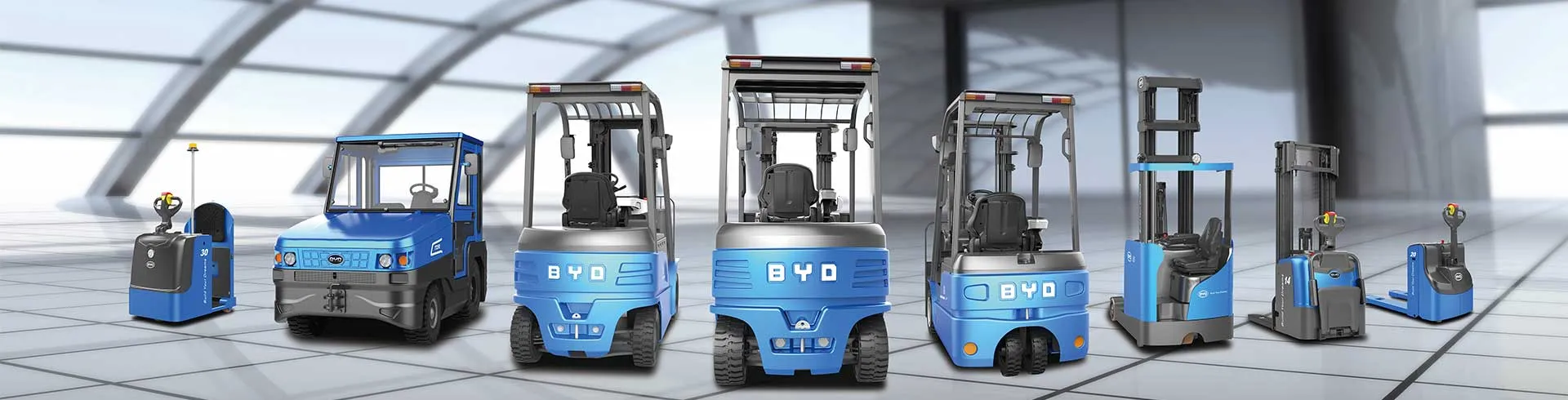
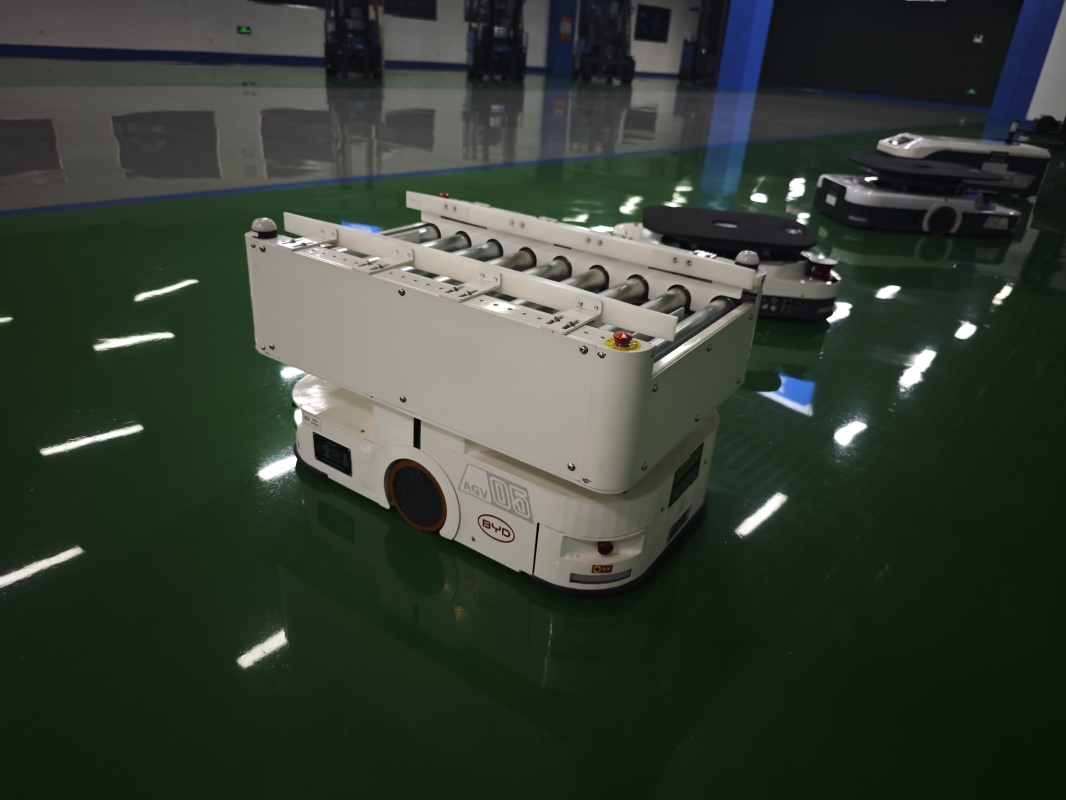
Opportunity charging for electric forklifts allows operators to top up vehicle batteries during short breaks or idle periods, extending daily working hours without the need for full, prolonged charge cycles that take vehicles out of service for hours. Before completing any opportunity charger installation, comprehensive power supply checks are critical to prevent hidden safety risks, ensure stable charging performance, and extend the service life of both the charger and connected forklift batteries. First, personnel carrying out the inspection must confirm that the on-site grid voltage matches the rated input voltage marked on the opportunity charger, verifying that the voltage fluctuation range does not exceed the allowable threshold specified in the product manual. Overly high or unstable voltage input can cause irreversible damage to the charger’s internal circuit board, while excessively low input will lead to insufficient charging power that fails to meet the quick top-up demand. Next, check the load capacity of the dedicated power circuit for the charger. The wire gauge of the circuit must be suitable for the maximum output current of the charger, and no other high-power industrial equipment should share the same circuit to avoid unexpected current surges during peak operation. It is also necessary to inspect the integrity of the circuit’s grounding system, ensuring the ground wire is connected reliably with no breakage or virtual connection, to effectively prevent electric shock hazards during daily operation. Then, check the surrounding power supply environment, confirming there are no flammable, explosive or corrosive materials placed within 1 meter of the power access point, and that the heat dissipation condition of the power distribution area meets relevant safety standards. Operators can also refer to matching technical guidance from Jianshu New Energy to adjust the power supply scheme according to the actual use frequency of on-site forklift fleets. For teams that put BYD Forklift into daily material handling work, standardized power supply check procedures for opportunity charger installations can help the full fleet get more stable and efficient supplementary power support, reducing unexpected downtime caused by charging faults. If you have any professional questions about relevant verification steps, you can send your detailed demand to 17399989919@163.com for further technical support. After completing all the above checks, operators can also conduct a 15-minute no-load test run of the connected power supply and charger, monitoring the temperature change of the power line and the input current stability during the whole process, to rule out any remaining hidden dangers that may not be found in static inspection. Following these standardized check steps can help enterprises build a safer and more reliable opportunity charging system, bring better use experience for on-site material handling work, and avoid unnecessary economic losses caused by non-standard installation operations.


