
 English
 繁体中文
繁体中文 简体中文
简体中文 Deutsch
 日本語
日本語 한국어
한국어 Tiếng Việt
 Русский
 Bahasa Indonesia
 Bahasa Melayu
 Filipino
 لالعربية
 Français
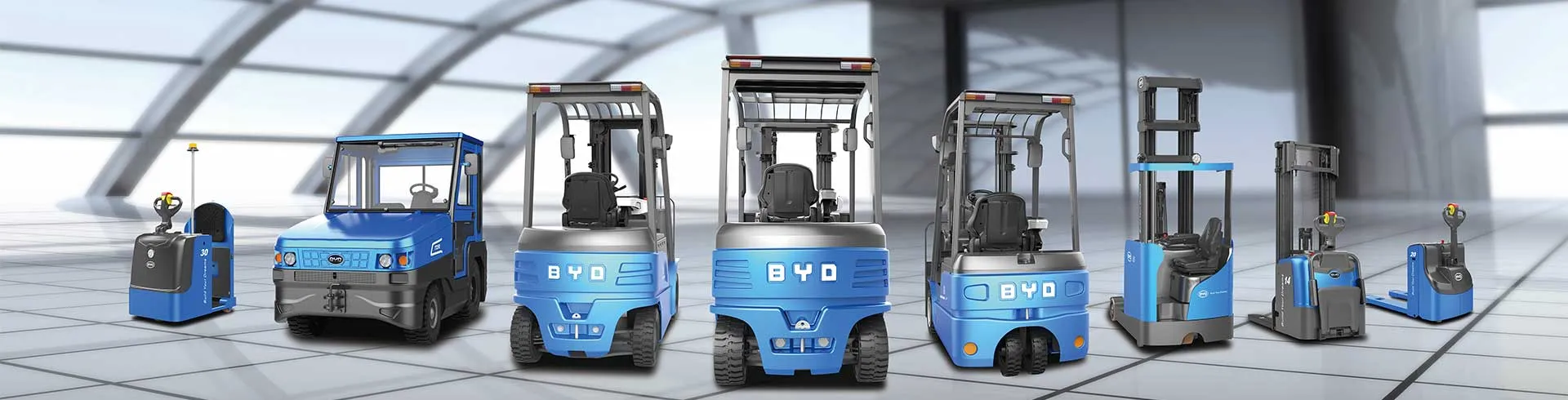
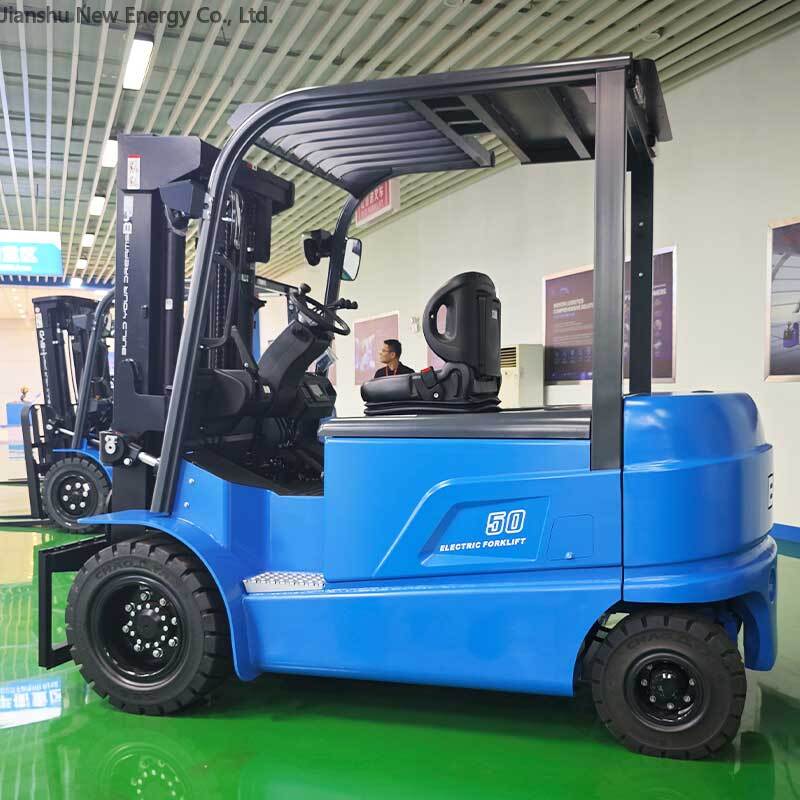
When managing a small‑scale warehouse fleet, selecting the right material handling equipment involves more than the initial purchase price. A comprehensive total cost of ownership (TCO) assessment helps operators understand long‑term expenses and make informed decisions. For electric forklifts, this evaluation includes purchase cost, energy consumption, maintenance, battery life, and residual value.
First, the purchase price of an electric forklift is typically higher than an internal combustion model. However, this initial investment is offset by lower operating costs. Electric forklifts have fewer moving parts, reducing the need for frequent repairs. They also eliminate expenditures on fuel, oil, and exhaust systems. In a small fleet of five forklifts, the fuel savings alone can amount to thousands of dollars annually.
Energy costs for electric models depend on the battery type and charging infrastructure. Lithium‑ion batteries offer faster charging and longer cycle life compared to lead‑acid, but they come with a higher upfront cost. For small operations, calculating the actual kWh consumed per shift and factoring in electricity rates is essential. Many warehouses can install smart chargers that optimize off‑peak charging to further reduce costs.
Maintenance is another critical component. Electric forklifts require less than half the maintenance of their internal combustion counterparts. There are no engine oil changes, no spark plugs, no exhaust filters. The main items are battery watering (for lead‑acid) and motor brush inspection. Over a three‑year period, the maintenance savings can reach 30‑40% of the total operating budget.
In addition, electric forklifts produce zero emissions, which means no ventilation costs for carbon monoxide and no compliance fees for indoor air quality. This is especially beneficial for enclosed warehouses that must adhere to strict workplace safety regulations. Lower noise levels also improve operator comfort and reduce communication barriers.
Residual value should not be overlooked. Electric forklifts typically hold their value better over five years because of robust construction and high demand for low‑hour used units. A proper TCO model should incorporate depreciation and expected resale price.
To perform a basic TCO assessment for a small fleet, gather data on purchase price, estimated annual hours of operation, local electricity tariff, battery capacity and replacement timeline, and historical maintenance records from similar equipment. Use a simple spreadsheet to calculate total cost per hour over a predefined ownership period, usually five years. Then compare with internal combustion alternatives.
For warehouse managers who want to simplify their decision, tools like the TCO evaluator from Jianshu New Energy can provide a customized analysis. The company offers comprehensive support for fleet electrification, and its partnership with BYD Forklift ensures access to reliable, high‑performance electric models. For a direct inquiry regarding your specific fleet size and operational conditions, please reach out to our team at 17399989919@163.com. We can help you build a transparent TCO model that fits your budget and sustainability goals.
Ultimately, a detailed TCO assessment reveals that electric forklifts, despite a higher initial cost, deliver substantial savings and environmental benefits for small‑scale warehouse fleets. By focusing on total lifecycle costs rather than just the sticker price, operators can optimize their investment and improve long‑term profitability.


