
 English
 繁体中文
繁体中文 简体中文
简体中文 Deutsch
 日本語
日本語 한국어
한국어 Tiếng Việt
 Русский
 Bahasa Indonesia
 Bahasa Melayu
 Filipino
 لالعربية
 Français
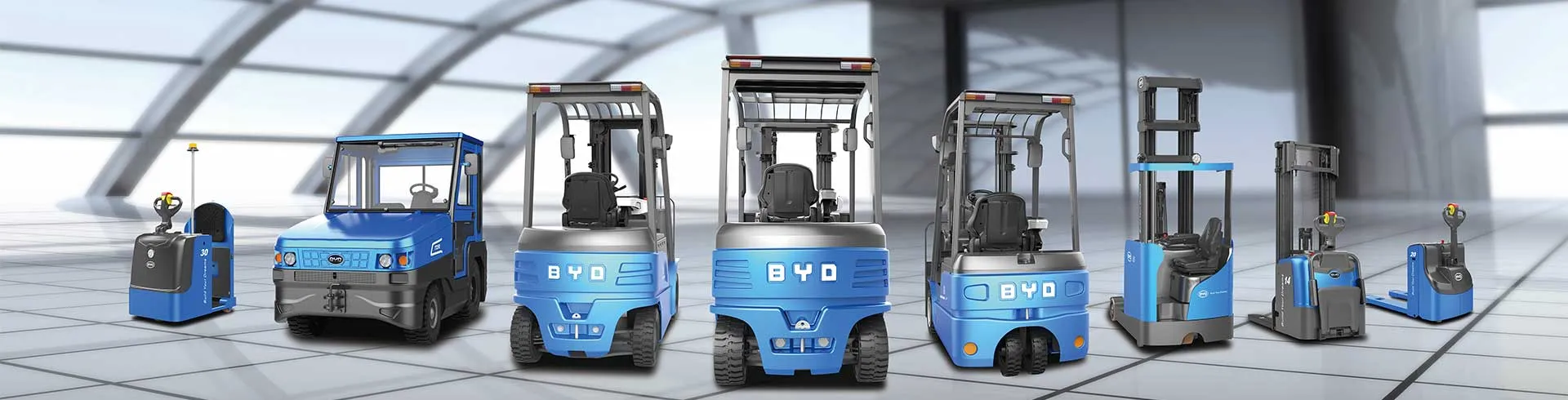
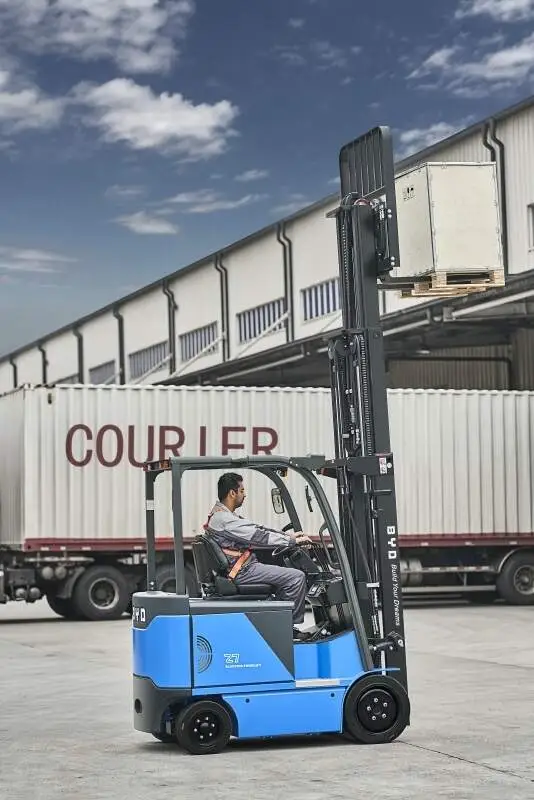
In recent years, battery forklifts have gradually become core equipment in the material handling industry due to their advantages of low emission, low noise and high operation flexibility. The selection of appropriate shift modes for different battery forklift models is directly related to operation efficiency, battery service life, operation safety and comprehensive operation cost, so it is necessary to conduct targeted analysis according to actual working conditions.
For small station-type storage battery forklifts with load capacity below 1.5 tons, the applicable shift mode is jog shift. Most of these forklifts are used in narrow warehouse aisles, shelf replenishment and small cargo sorting scenarios, with frequent start-stop and steering demands during operation. The jog shift mode has the characteristics of fast response and high control accuracy, which can effectively reduce the probability of misoperation in narrow spaces, and the energy loss in the shift process is low, which is very suitable for operation scenarios with daily working time of 4 to 6 hours. It is not recommended to adjust the shift response speed too fast for such forklifts, otherwise it will easily lead to cargo collision and excessive battery discharge.
For medium load counterweight battery forklifts with load capacity between 1.5 tons and 3 tons, the applicable shift mode is continuously variable shift. This kind of forklift is mostly used in factory loading and unloading, short-distance cargo transfer and other scenarios, with both flat road driving and small slope climbing demands, and the daily working time is mostly 8 to 10 hours. The continuously variable shift mode can avoid power interruption during gear switching, reduce the operation intensity of drivers, and also adjust power output dynamically according to actual load, which can reduce comprehensive energy consumption by about 10% compared with fixed gear shift mode under the same working conditions.
For heavy-duty special battery forklifts with load capacity above 4 tons, the applicable shift mode is multi-gear electronically controlled shift. Most of these forklifts are used in port cargo transfer, large logistics park heavy cargo handling and other scenarios, which often need to cope with heavy load climbing and long-distance continuous operation. The multi-gear electronically controlled shift mode can match different torque output according to load and road conditions, which can not only ensure sufficient power support under heavy load conditions, but also avoid unnecessary energy waste during no-load driving.
Jianshu New Energy has launched a customized battery management system that can automatically match the shift mode parameters of different battery forklift models, which can effectively reduce abnormal loss of battery cells and extend the overall service life of the battery by more than 15% under the same operation intensity. For users with special operation needs, BYD Forklift also provides personalized shift mode adjustment services according to actual working conditions, to meet the differentiated operation needs of different industries such as warehousing, manufacturing and logistics. If you have any questions about shift mode selection, battery configuration matching or daily maintenance of battery forklifts, you can send an email to 17399989919@163.com for consultation, and we will arrange professional technical personnel to provide targeted reference suggestions and solutions for you.
In general, the selection of shift mode for battery forklifts needs to be combined with actual model positioning, operation scenarios, daily working hours and load conditions for comprehensive judgment. Blindly pursuing high shift speed or strong power output will not only increase unnecessary operation costs, but also may bring safety risks in operation. Choosing the appropriate shift mode can effectively improve overall operation efficiency and reduce the comprehensive operation cost of enterprises.


