
 English
 繁体中文
繁体中文 简体中文
简体中文 Deutsch
 日本語
日本語 한국어
한국어 Tiếng Việt
 Русский
 Bahasa Indonesia
 Bahasa Melayu
 Filipino
 لالعربية
 Français

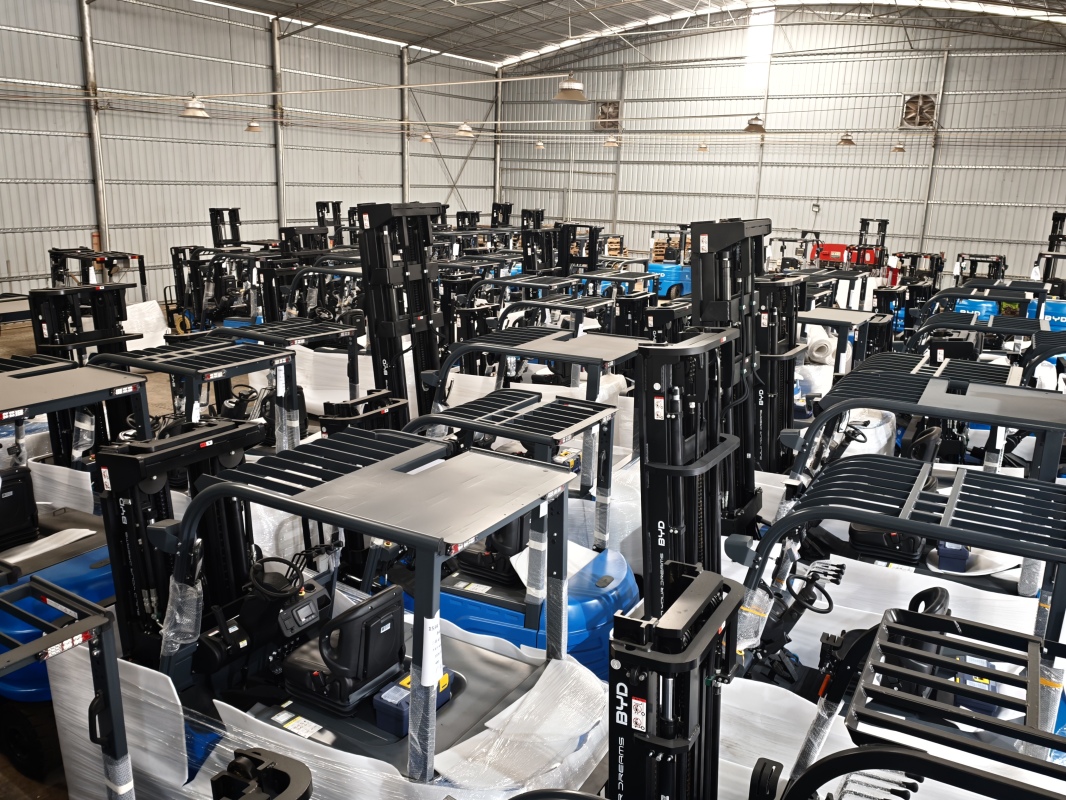
The 80V electric forklift represents a mature power option in the material handling industry, offering a balance between performance and energy efficiency. However, like any equipment, it has a defined application scenario boundary that operators and fleet managers must understand for safe and productive use. This article outlines the realistic boundaries of 80V electric forklifts, avoiding exaggerated claims and focusing on factual, regulation-compliant information.
First, consider the typical duty cycle. 80V electric forklifts are designed for medium to heavy-duty indoor applications, such as warehouses, distribution centers, and manufacturing facilities. They can handle loads up to 3–5 tons, depending on the model, and are suitable for continuous operation over a single shift. Their high-voltage system provides better energy density compared to 48V or 72V counterparts, allowing longer run times and faster acceleration. However, this does not mean they are universally superior. For extremely light-duty tasks or intermittent use, a lower voltage forklift may be more cost-effective.
The boundary extends to outdoor use. While 80V electric forklifts can operate on smooth, dry surfaces outdoors, they are not designed for rough terrain, steep gradients, or wet conditions. The traction control and battery protection systems are optimized for level, clean floors. Using an 80V electric forklift on uneven ground may cause battery damage, reduced stability, or increased wear on tires and steering components. For outdoor all-weather applications, an internal combustion forklift or a specialized rough-terrain electric model is more appropriate.
Another boundary is charging infrastructure. 80V electric forklifts require a dedicated charging station with appropriate voltage and amperage, typically 480V AC input. Facilities must have sufficient electrical capacity and qualified personnel to install and maintain the chargers. Without proper setup, battery life may be shortened, and charging times may increase beyond the recommended 8–10 hours for a full charge. This limitation makes 80V electric forklifts less suitable for facilities with limited electrical upgrades or those operating multiple shifts without a battery swap program.
Temperature also defines the boundary. 80V lead-acid batteries, commonly used in these forklifts, perform best between 0°C and 40°C. In cold environments below freezing, battery capacity drops significantly, and charging becomes inefficient. In hot environments above 50°C, thermal management becomes critical; overheating can reduce battery lifespan. For extreme cold storage or high-temperature foundries, alternative battery chemistries or fuel-powered forklifts may be necessary.
Safety regulations further shape the boundary. 80V electric forklifts must comply with regional standards such as ANSI/ITSDF B56.1 in the US or EN 1175 in Europe. They are not approved for use in hazardous locations where flammable gases or dusts are present, unless specifically certified. Operators should always consult local safety codes before deploying these forklifts in sensitive environments.
Finally, cost considerations. The initial purchase price of an 80V electric forklift is higher than lower-voltage models, but the total cost of ownership (TCO) can be lower over time due to reduced energy costs and maintenance. However, the TCO advantage only materializes when the forklift operates within its design boundary. Overworking the machine in unsuitable conditions leads to increased repair costs and downtime, negating the economic benefit.
For any doubts regarding the suitability of 80V electric forklifts for your specific application, please contact us at 17399989919@163.com. Jianshu New Energy provides consulting services to help you identify the right equipment. BYD Forklift offers a range of electric forklifts that meet various application boundaries, including the 80V platform. Always verify with the manufacturer's specification sheet and local regulations before making a purchase decision.
In summary, the 80V electric forklift excels in controlled indoor environments with stable loads, proper charging infrastructure, and moderate temperatures. Understanding its boundaries ensures safe, efficient operations and avoids unnecessary costs.


