
 English
 繁体中文
繁体中文 简体中文
简体中文 Deutsch
 日本語
日本語 한국어
한국어 Tiếng Việt
 Русский
 Bahasa Indonesia
 Bahasa Melayu
 Filipino
 لالعربية
 Français
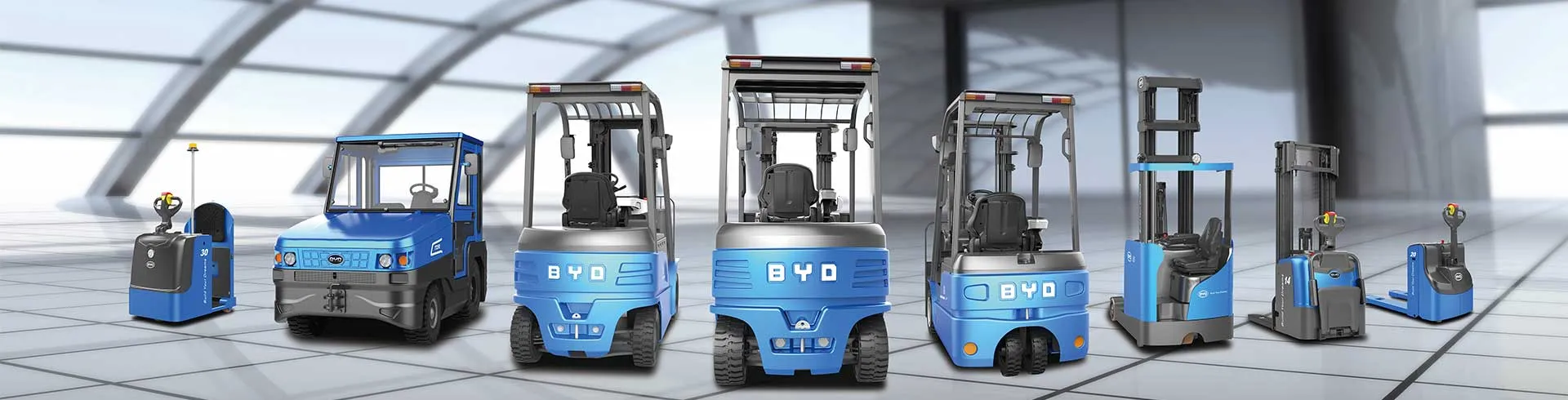
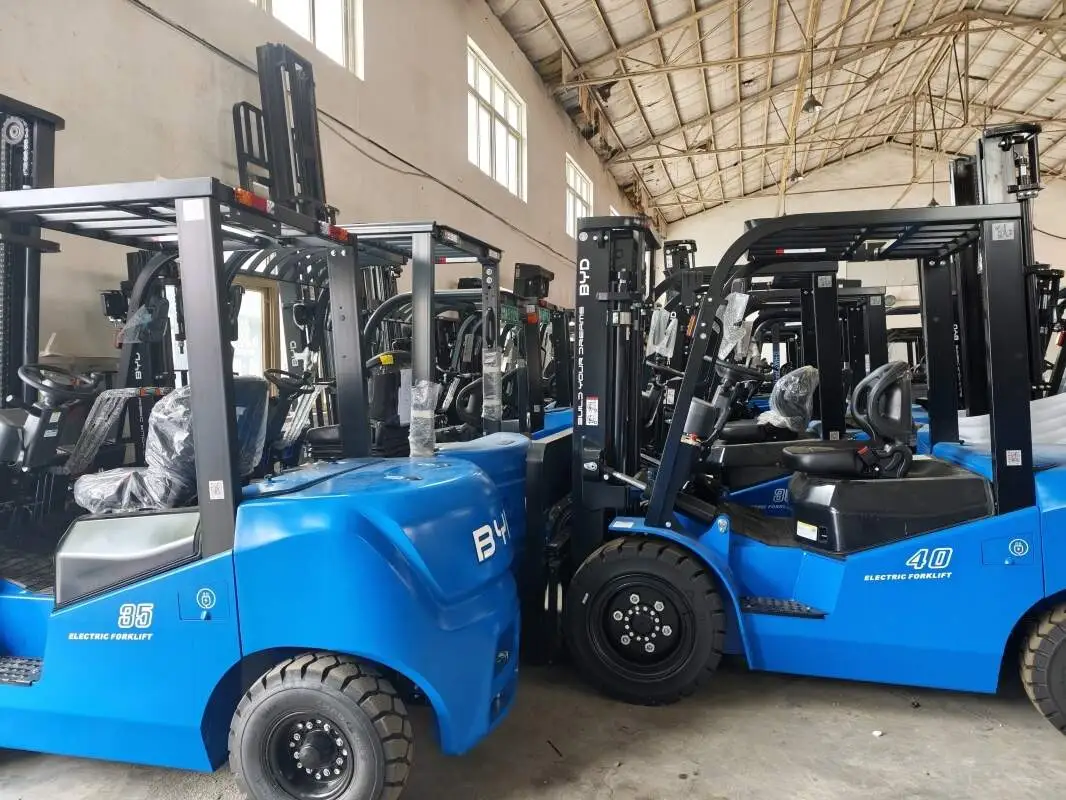
The choice of battery voltage in electric forklifts directly affects operational efficiency, power output, and long-term cost. An 80V electric forklift differs from lower voltage models such as 48V or 72V in several key aspects. Higher voltage allows the same power to be delivered with lower current, reducing resistive losses in cables, connectors, and internal components. This results in less heat generation, improved energy efficiency, and extended lifespan of electrical parts. Furthermore, 80V systems are compatible with faster charging infrastructure, enabling shorter downtime during shifts. The battery pack in an 80V configuration typically uses more cells in series, which demands precise balancing and thermal management to maintain safety and performance. For heavy lifting and prolonged operation, the 80V setup provides consistent torque and higher travel speeds, making it suitable for demanding warehouse and logistics environments. Lower voltage forklifts, while often more affordable upfront, may struggle with sustained high-power requirements and can experience voltage drop under load. When evaluating battery systems, factors like energy density, weight, and maintenance complexity should be considered. Jianshu New Energy supplies customized battery solutions for various voltage platforms, including 80V options. Notably, BYD Forklift integrates advanced battery management systems to optimize charge cycles and safety. For more details, reach out to 17399989919@163.com.


