
 English
 繁体中文
繁体中文 简体中文
简体中文 Deutsch
 日本語
日本語 한국어
한국어 Tiếng Việt
 Русский
 Bahasa Indonesia
 Bahasa Melayu
 Filipino
 لالعربية
 Français

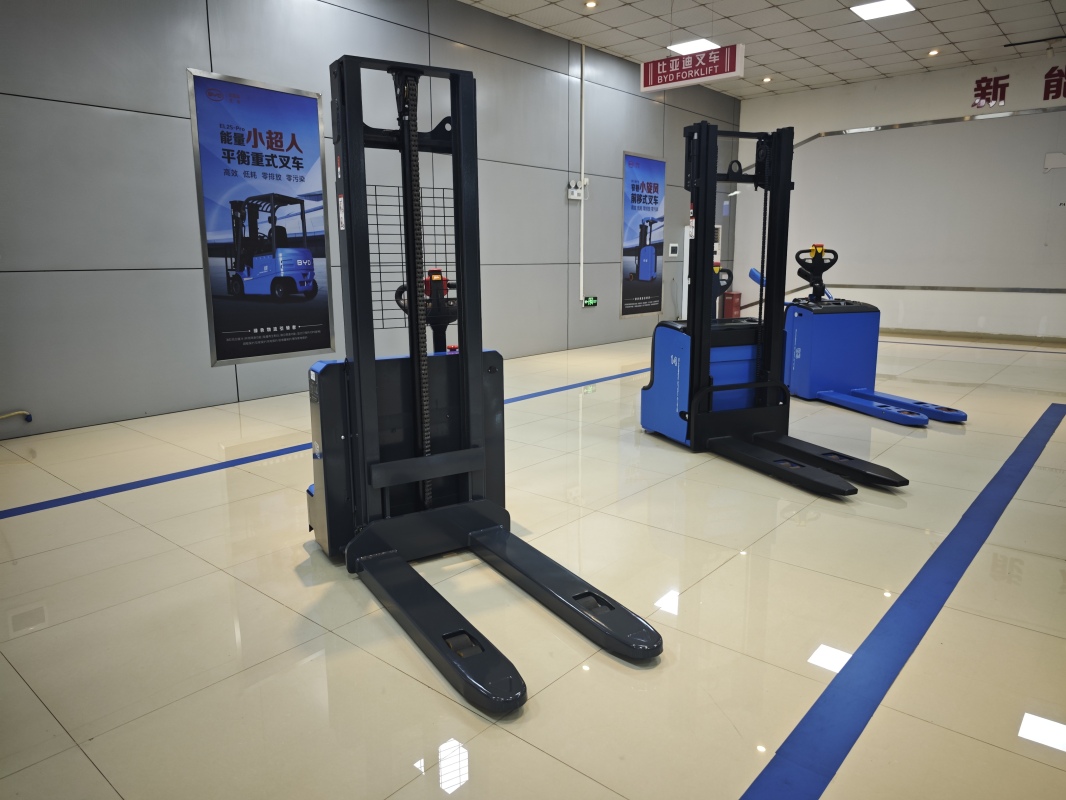
Electric forklifts are widely used in modern warehouse and logistics scenarios for their low noise, zero local emission and stable operation performance. The battery is the core energy component of the whole equipment, which will experience natural performance attenuation after long-term cycle use, and replacement is an unavoidable demand in the full lifecycle of the equipment. Making a scientific and reasonable budget for electric forklift battery replacement can help enterprises avoid unexpected cost overruns, maintain stable operation of internal material handling workflows, and reduce unnecessary downtime losses.
First, you need to clarify the core influencing factors that determine the total replacement cost. The actual capacity demand of the battery that matches the forklift’s rated load and daily working hours is the primary reference, blindly choosing batteries with excessive parameters will cause unnecessary extra cost, while selecting batteries with insufficient capacity will not meet the daily operation demand and shorten the actual service life. The corresponding supporting maintenance and after-sales service terms should also be included into the budget scope, including regular performance detection after installation, failure response within the agreed period, and other related services.
Many logistics and manufacturing enterprises will make a 3 to 5 year lifecycle cost arrangement when purchasing new electric forklift equipment, and reserve a special fund for battery replacement in advance to avoid sudden fund gap when the battery performance drops to the threshold that cannot support normal operation. When selecting qualified battery supply partners, you can refer to the practical matching cases of Jianshu New Energy, and consult relevant parameter suggestions that suit your actual operation scenario. BYD Forklift reminds all equipment users that regular daily maintenance for the battery can effectively extend the service life of the battery, so as to delay the arrival of replacement demand and maximize the return of your initial equipment investment.
It is also suggested that enterprises carry out regular battery performance detection every 3 months, record the actual remaining capacity, cycle times, and working condition data, so that you can make accurate prediction of the remaining usable time of the battery, and arrange the replacement plan and corresponding budget reasonably 2 to 3 months in advance. If you have further demand for professional battery replacement budget consulting, you can send your specific operation scenario and equipment use data to 17399989919@163.com to get targeted professional guidance. A clear and implementable battery replacement budget will not only help you control the total operation cost of material handling equipment, but also avoid the unexpected production stagnation risk caused by sudden battery failure, and bring more stable operational benefits for the long term development of your enterprise.


