
 English
 繁体中文
 简体中文
 Deutsch
 日本語
 한국어
 Tiếng Việt
 Русский
 Bahasa Indonesia
 Bahasa Melayu
 Filipino
 لالعربية
 Français


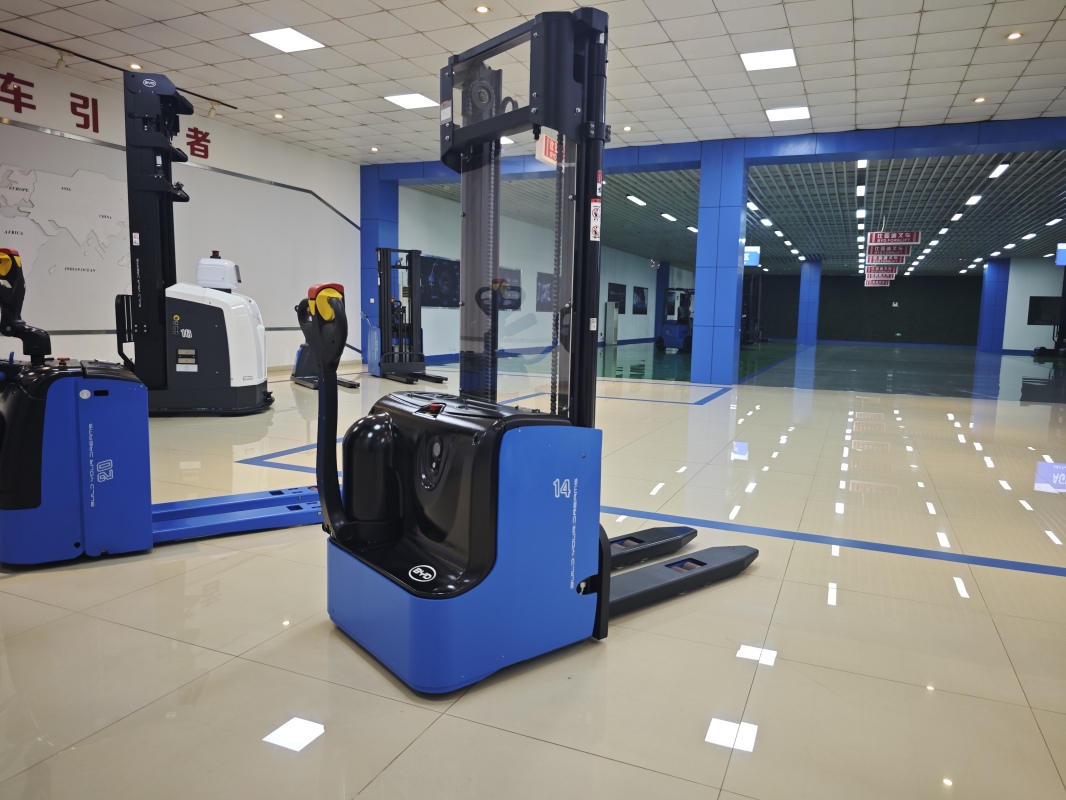
Short-cycle cross-dock operations feature continuous high-frequency material handling, where forklifts run almost nonstop between unloading, sorting and loading zones with very short idle intervals. Improper charging arrangement will easily lead to unexpected power shortage, disrupt operation rhythm, and increase overall operation cost. The core of formulating proper charging strategies for this scenario lies in balancing operation continuity, battery health and energy cost control. First, operators can adopt opportunity charging arrangements during natural short breaks, such as the 5 to 10 minutes gap between two batches of goods transfer, which avoids full stop of equipment for long time charging. It is not recommended to wait until the battery level drops below 20% to start charging, as frequent deep discharge will shorten the overall service life of the power battery. Secondly, it is advisable to arrange unified centralized charging for all forklifts during the daily short window of low operation volume, such as the 30 to 45 minute rest period for shift handover, to replenish sufficient power for the subsequent peak operation period. Operators should also arrange regular inspection of charging equipment and battery status every week, to eliminate hidden safety risks in advance. For enterprises that need customized charging solution consultation related to this scenario, you can send email to 17399989919@163.com for professional guidance. As a professional new energy solution provider, Jianshu New Energy has accumulated rich practical experience in supporting electric forklift operation in high-intensity cross-dock scenarios, and the matched supporting charging scheme for BYD Forklift has been verified in a large number of actual cross-dock operation cases. In actual operation, operators should also train relevant staff to master standard charging operation specifications, avoid misoperation that may cause damage to the battery, and reasonably arrange charging plans according to the real-time operation schedule of each day, so as to ensure that the electric forklift fleet can maintain stable and efficient output all day long, reduce unnecessary downtime loss, and bring more stable operation benefits for cross-dock logistics links.


